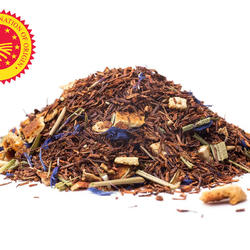
Winter Tale – Fruit Infusion


It's like sitting under an orange tree. Sun feels warm on your cheeks, the air smells of sweet fruit, and your thoughts drift into imagination. Winter Tale tea will pleasently calm you down. Plus, it's caffeine-free, wonderfully sweet and pleasantly warming. The rooibos, which forms its base, has a soft, smooth taste – combined with oranges, almonds, cinnamon and vanilla, it creates a truly magnificent composition. Just sit down for a moment...
Shipping methods
| Nizozemská pošta HD - zásilkovna | Delivered by 5. 10. | 1,00 € |
|---|---|---|
 DHL DHL |
Delivered by 5. 10. | 4,90 € |


Ingredients
Roasted apple chunks, Rooibos, Almond chunks, Rose Hip peel, Hibiscus, Ceylon cinnamon chunks, Natural aroma, Vanilla piecesBrew & Taste
Winter Tale tea has a dark orange to mahogany color and smells sweet and fruity. Of course, you'll also find traces of cinnamon and vanilla in its aroma. The taste is similar. The overall impression is honey-sweet, with a touch of juicy citrus, cinnamon and vanilla. If you focus on the flavor, you may discover attractive traces of almonds.
Origins
Winter Tale tea brings together ingredients from different corners of the world, but only three of them play a major part in defining its character. Each adds a different dimension – from a smooth, honey-like note to fruity freshness and warming spices. Let’s take a closer look at them so you know exactly what’s in your cup.
Rooibos forms the base of the entire blend. It consists of delicate, needle-like leaves and twigs from the redbush tree, which grows exclusively in the mountainous regions of South Africa. At first glance, it appears unassuming – these thin, reddish needles only take on a characteristic mahogany color after fermentation. The plant thrives in dry, sunny conditions and specific soil, which is why it cannot be grown anywhere else in the world.
It contains:
- polyphenols (antioxidants),
- flavonoids (aspalathin),
- minerals (iron, magnesium, calcium),
- vitamin C.
The second prominent ingredient is apple, specifically roasted apple pieces. These add a natural sweetness and a slight caramel note to the blend. Apple fruits are round in shape, with thin skin ranging in color from green to red and juicy flesh. Apple trees are grown in temperate regions around the world – from Europe through Asia to North America, where they thrive in orchards with plenty of sun and moisture.
It contains:
- pectins,
- vitamins (vitamin C and B vitamins),
- polyphenols,
- natural fruit sugars.
And finally, cinnamon – specifically Ceylon cinnamon – which elegantly warms the entire blend. This spice originates from the bark of the Cinnamomum verum tree, which grows primarily in Sri Lanka and other tropical regions. After harvesting, its thin inner bark is rolled into the characteristic light-brown rolls. It's brittle, delicately layered, and its aroma is sweet, warming, and very complex.
It contains:
- essential oils (cinnamaldehyde),
- antioxidants,
- tannins,
- trace amounts of minerals,
- supports normal digestion.
Tea packaging preview
We pack our teas in a strong, zip-lock aluminum packet which allows you to easily re-seal its contents. This container protects the quality of the tea against humidity, light or foreign odors, all of which could noticeably affect the quality of the brew.
Preparation
 100 °C
|
 8 minutes
|
 1 teaspoon for 150-200 ml
|
Instructions for preparation
- Pour 150-200ml of boiled water (100°C) per 1 teaspoon of tea.
- When brewing in a teapot add 1 extra teaspoon.
- Covered, let steep for 8 minutes, then remove the strainer.


Are you looking for inspiration? Other customers have bought this:
Child's Dream – Fruit Infusion