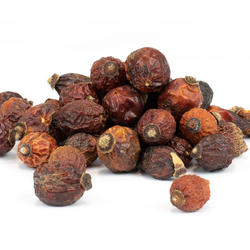
Willow weed (Persicaria Lapathifolia) – Herb


Try the best nature has to offer! Willow weed, also known as Persicaria lapathifolia, is rich in not only tannins but also flavonoids, essential oils, rutin and vitamin C – in other words, everything you need for your well-being and vitality. Take advantage of this global, water-loving herb and find out why it’s so revered everywhere it appears. Aside from the bitter taste, it’s flawless.
Shipping methods
| Nizozemská pošta HD - zásilkovna | Delivered by 22. 10. | 1,00 € |
|---|---|---|
 DHL DHL |
Delivered by 22. 10. | 4,90 € |


Ingredients
100 % Willow weedBrew & Taste
Persicaria lapathifolia is strongly bitter and slightly astringent, so we recommend using this herb as a part of any tea blend. But if you drink it by itself, you will quickly get used to the pure, natural taste.
Origins
It has as many common names as it does beneficial nutrients. But let's take it one step at a time.
Persicaria lapathifolia, also known as willow weed and many other folk names, is an annual plant in the Polygonaceae family. The current Latin name is Persicaria lapathifolia, but it was formerly referred to as Polygonum lapathifolium.
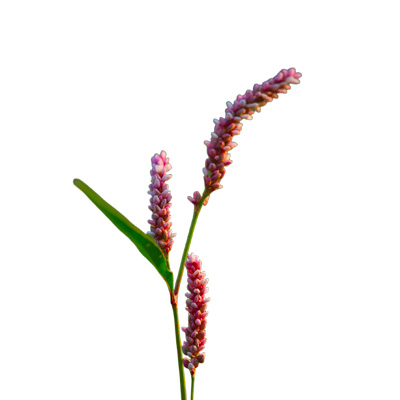
It's a very versatile plant that can adapt to many different natural conditions. Its height varies from low species that grow around 20cm to upright plants reaching 100-150cm. The stem is straight or semi-straight, often branched, with a smooth surface, sometimes reddish. It has alternate, oblong, ovate to lance-shaped leaves, often with characteristic dark spots in the middle. The flowers are small, yellow-green, whitish or pinkish. Finally, the inflorescence is a 3-6cm long cylinder. The herb produces shiny, dark brown to black achenes.
You've very likely already seen the willow weed. In fact, it is widespread in the temperate zone of the northern hemisphere, mainly in Europe, Asia and North America – it has been introduced to other parts of the world as a secondary species. It prefers humid habitats with nitrogen-rich soils. It often grows on the banks of watercourses and ponds, in floodplain forests, ditches along roadsides, on damp field margins and cultivated areas, in thickets and along roadsides. It tolerates temporary flooding well and is often found as a field weed. It reproduces exclusively by seed, which can germinate even after several years of dormancy.
Here are most of the beneficial nutrients this plant contains: Flavonoids (especially quercetin and rutin); tannins; essential oils; organic acids; plant mucilage; high doses of vitamin C; minerals such as potassium, calcium, magnesium; oxymethylanthrachinones; glycosides; and finally, phenolic acids.
In addition to herbalism, it has also found use in the kitchen. Young shoots and leaves were formerly used to prepare vegetable dishes, especially in times of famine. In some areas, the seeds were ground into flour and added to bread dough. What's more, the herb was traditionally used to repel fleas in livestock and was used as part of poultry feed. On top of that, the plant could be used to obtain yellow dye for dyeing fabrics.
Benefits of ingredients:

Herb packaging preview
We pack our herbs in a strong, zip-lock aluminum packet which allows you to easily re-seal its contents. Thanks to the hermetic seal, the herbs are protected against humidity, light and foreign odors, all of which could noticeably affect the quality of the brew and the herb itself.
Preparation
 100 °C
|
 15 minutes
|
 1 - 2 teaspoons for 250 ml
|
Instructions for preparation
1. Pour 250ml of boiled water (100°C) per 1-2 teaspoons of tea.
2. Covered, let steep for 15 minutes, then remove the strainer.


Are you looking for inspiration? Other customers have bought this:
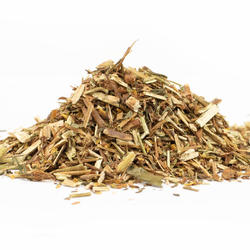
St John's Wort (Hypericum Perforatum) – Herb
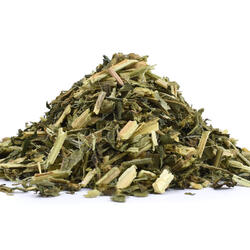
Nettle Leaves (Urtica Dioica) – Herb