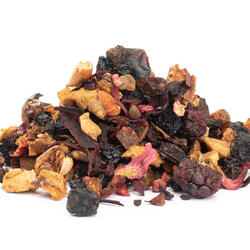
Tropical Temptation – Fruit Infusion


We'll try to tempt you. At least for a while. Imagine you're lying in a hanging swing. In front of you is the sea. So blue that it blends into the sky on the horizon. You squint your eyes a little because the breeze has just ruffled the palm leaves above you and the afternoon sun has tickled your face. You touch the sand with your fingers and scoop it into your palm. It's warm... Now you know what Tropical Temptation looks like.
Shipping methods
| Nizozemská pošta HD - zásilkovna | Delivered by 8. 10. | 1,00 € |
|---|---|---|
 DHL DHL |
Delivered by 8. 10. | 4,90 € |


Ingredients
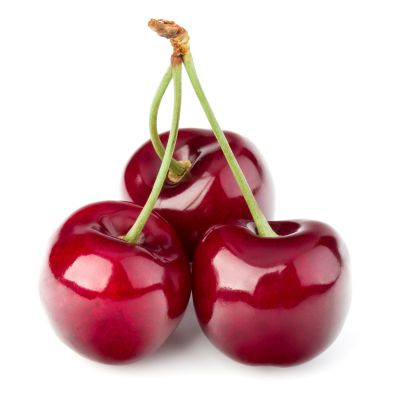
Hibiscus, Roasted apple chunks, Rose Hip peel, Sour cherries, Natural aroma, Candied pineapple (pineapple, sugar), Candied papaya (papaya, sugar), Currant, Dried strawberry chunks, Dried Raspberry chunksInfusion and flavour of the tea
Tropical Temptation fruit tea has a glinting red infusion. The very attractive fruity aroma directly invites you to taste it. On the tongue you will notice a pleasant sour currant and strawberry trace.
Prepare Tropical Temptation as an iced tea. Just pour the hot tea into glasses filled 2/3 with ice cubes. Add pieces of fresh fruit, lemon balm or mint.
Origin of the tea
Since most of the ingredients in this tea are fruit, it's worth noting how it's preserved. In our teas we use lyophilized fruit. The unique food drying process guarantees that the maximum beneficial substances are preserved. Another benefit is that freeze-dried fruit does not lose its colour, taste or aroma and meets the requirements for fresh fruit after being covered with hot water. Both in terms of sensory properties and valuable compounds.
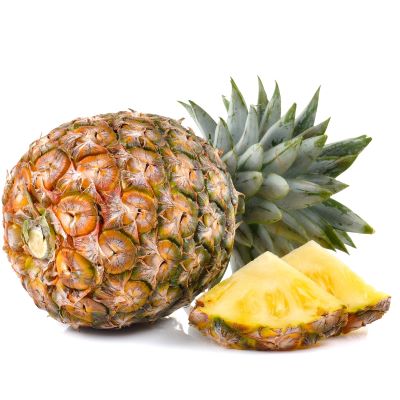
Pineapples are grown in more than 80 countries around the world. The USA, Thailand, Philippines, Brazil and China, for example, produce this popular fruit. More than 15 million tonnes of this sweet, juicy fruit are harvested annually. The high demand is due to their great taste and many culinary uses, but also to the valuable substances found in pineapples. Bromelin is particularly noteworthy. Pineapples probably need no further introduction. Most has tasted them at some point. Let's just mention that their fruits are produced in an interesting way, which botanists call "fusion of adjacent flower". And, perhaps surprisingly, once the pineapple ripens, the entire plant dies.
Pineapple trees are plants that reach a height of 1 to 1.5 metres. They have a very short stem from which grows a rosette of long, pointed leaves. Pineapples are harvested 15-18 months after planting. The fruits of wild pineapple trees are inedible.
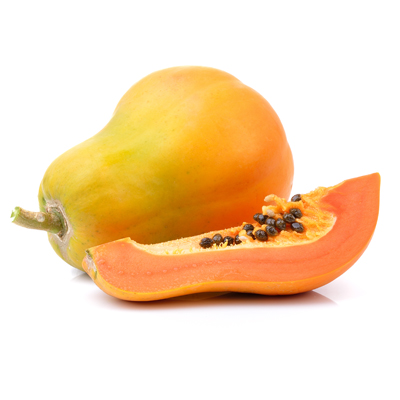
The papaya is similarly exotic to the pineapple for Europeans. Its berries, which come in a variety of shapes and can measure up to 50 centimetres and weigh up to 10 kilograms, taste honey-sweet and buttery. They are red, yellow or orange in colour and have small seeds in the centre. The papaya is rich in potassium, calcium and sodium, and contains vitamin C and the enzyme papain.
The papaya is probably native to Central America, but it is grown in India, Brazil, Mexico, Indonesia, the Dominican Republic, Nigeria and many other countries. Approximately 13 million tonnes of papayas are harvested annually worldwide. If you are wondering what a papaya plant looks like, think of a tree-like plant about 10 metres tall, with leaves up to three quarters of a metre long growing out of the trunk. In simple terms, it resembles a palm tree.
The papaya fruit is most often eaten raw, but it is also used to make compotes, syrups, juices or jams.





Tea packaging preview
We pack our teas in a strong, zip-lock aluminum packet which allows you to easily re-seal its contents. This container protects the quality of the tea against humidity, light or foreign odors, all of which could noticeably affect the quality of the brew.
Preparation
 100 °C
|
 10 minutes
|
 1 teaspoon for 150-200 ml
|
Instructions for preparation
- Pour the tea with water at a temperature of 100 ⁰C in a ratio of 1 teaspoon per 150-200 ml.
- When preparing in a teapot, add 1 extra teaspoon.
- Steep for 10 minutes (in a covered cup), then strain.


Are you looking for inspiration? Other customers have bought this:
Child's Dream – Fruit Infusion
Lingonberry-Sea Buckthorn – Fruit Infusion