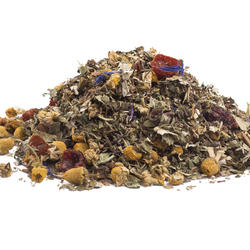
Tea of Life – Herbal Infusion


Who is the greatest magician? Nature! No one else can change shapes so many times in a such a short time. The parade of colors and scents is endless. And it's nature that can best help us recover. Whether you're longing for a moment of silence, want to stretch your body or you're looking for inspiration, let nature guide you through Tea of Life.
Shipping methods
| Nizozemská pošta HD - zásilkovna | Delivered by 22. 10. | 1,00 € |
|---|---|---|
 DHL DHL |
Delivered by 22. 10. | 4,90 € |


Ingredients
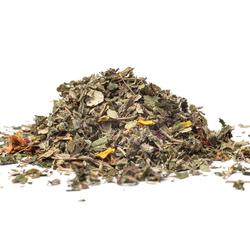
Apple chunks, Echinacea, Lemongrass, Vervain, Rose petals, Natural aromaBrew & Taste
Tea of Life has a yellow infusion and a pleasantly mild, fresh aroma. It tastes sweet like vanilla and is slightly lemony.
Origins
There aren't many ingredients in Tea of Life. Yet, hidden within them is the power and ability to help in many cases of physical and mental discomfort. Nature really can do magic.
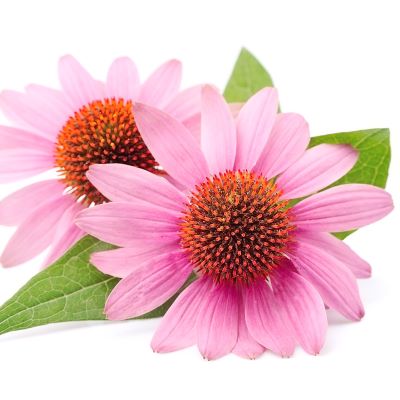
Echinacea or purple coneflower has been used in folk medicine for thousands of years. It is said to have been used by the Cheyenne peoples living in the Midwestern United States. It is one of the most popular herbs in America, but it was not brought to Europe until the 18th century as an ornamental plant. Many growers soon found out about the capabilities of its roots, leaves and flowers. Today, you can find it in many herb gardens. You can recognize it by its large orange and reddish-purple flowers, the center of which is prickly. That's where it got its name – echinos means hedgehog in Greek. It grows to about 1m and has a straight, hairy stem.
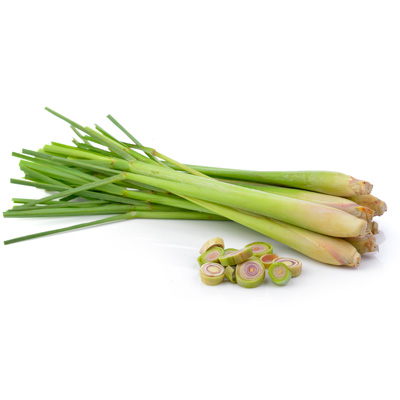
Lemongrass is also noteworthy. Known as Cymbopogon in botany, this lemon scented herb is native to the tropics and is found in Africa, America and Australia. It grows in clumps, has grey-green leaves and a very distinctive lemon scent. It contains many essential oils, including citral, nerol and limonene. Lemon grass is used in traditional medicine, as well as in flavoring food or making cosmetics and perfumes.
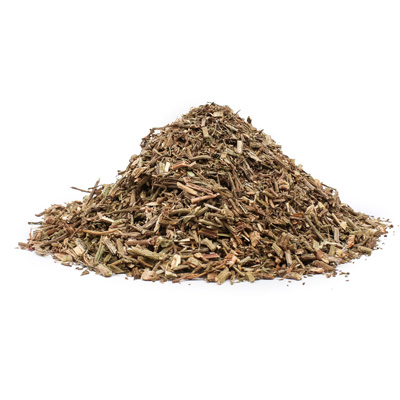
You may have come across verbena without even knowing it. The Celts may have had a better idea of its presence. They considered it one of the most important herbs not only for magic. So how can you recognize it? It grows throughout most of the northern hemisphere. In our conditions, it is most often found along roadsides and in soils that have laid fallow for a long time. The perennial grows to 30-70cm, has a straight, quadrangular stem and serrated leaves. It has pink tubular flowers.
Benefits of ingredients:


Tea packaging preview
We pack our teas in a strong, zip-lock aluminum packet which allows you to easily re-seal its contents. This container protects the quality of the tea against humidity, light or foreign odors, all of which could noticeably affect the quality of the brew.
Preparation
 100 °C
|
 6-10 minutes
|
 1 teaspoon for 150-200 ml
|
Instructions for preparation
Pour 150-200ml of boiled water (100°C) per 1 teaspoon of tea.
When brewing in a teapot add 1 extra teaspoon.
Covered, let steep for 6-10 minutes, then remove the strainer.


Are you looking for inspiration? Other customers have bought this:
For Cold Weather – Herbal Infusion