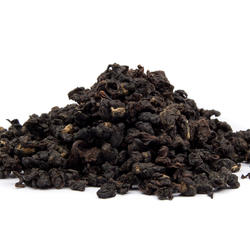
Taiwan Amber Oolong


Anyone who has tasted it has used words such as "exceptional," "delightful," "amazing," and "absolutely delicious." You will agree with their verdict when Taiwan Amber Oolong graces your teapot. This tea is enjoyable, sweet, and aromatic. The leaves used in its production are harvested throughout the year, giving each batch a unique character. Enjoy it hot, or add some ice cubes to make a refreshing iced tea.
Shipping methods
| Nizozemská pošta HD - zásilkovna | Delivered by 22. 10. | 1,00 € |
|---|---|---|
 DHL DHL |
Delivered by 22. 10. | 4,90 € |


Ingredients
100 % Oolong Taiwan AmberBrew & Taste
Taiwan Amber Oolong produces an amber-colored infusion that tastes slightly roasted and woody, smelling faintly of flowers and malt. You will identify sweetness and notes of fruit in the flavor, and the astringency tends to be lower to medium. Oolongs are one of those teas that taste delicious both hot and iced.
Origins

Taiwanese oolongs are considered among the best in the world. They were first mentioned 400 years ago, and their popularity has not waned. Also known as wu long tea, they are semi-fermented, rich in flavor, usually honey-sweet, with a pleasant, long aftertaste. The natural conditions in Taiwan are perfect for growing tea trees. Planted at high altitudes, the shrubs are affected by fluctuating day and night temperatures, frequent fog, and high humidity.
Because of this and the care of Taiwanese farmers, the local oolongs are truly superior. Specifically, Amber Oolong comes from the southwestern part of the country, an area called Chiayi County. Most of the area can be described as fertile plains that rise slowly, from west to east, into the hills. The region is known for its breathtaking sunrise views from the rolling countryside, and tourists also visit its remote forest trails, waterfalls, and tranquil valleys. Among tea lovers, Chiayi County is where the best highland Taiwanese oolongs come from.
Among the interesting facts is that farmers harvest the leaves used to make oolongs 5 times a year, from April to December. It is necessary to stop fermentation quickly, which starts in the leaves immediately after plucking and gently crushing them. Once the harvest reaches the processing plant, the workers leave it to wilt briefly in a room at around 25⁰C. Within minutes, some water evaporates from the leaves, and their flavor changes slightly. Then comes the shaking, which disrupts the cellular structures and releases more enzymes to promote further fermentation.
Within 3 hours of this point at the latest, the tea is exposed to a high temperature, which causes the fermentation process to stop. The tea is then rolled, dried, sorted, and packaged.
Benefits of ingredients:


Tea packaging preview
We pack our teas in a strong, zip-lock aluminum packet which allows you to easily re-seal its contents. This container protects the quality of the tea against humidity, light or foreign odors, all of which could noticeably affect the quality of the brew.
Preparation
 80-90 °C
|
 5 minutes
|
 1 teaspoon for 150-200 ml
|
Instructions for preparation
Pour 150-200ml of boiled water (80-90°C) per 1 teaspoon of tea.
When brewing in a teapot add 1 extra teaspoon.
Covered, let steep for 5 minutes, then remove the strainer.


Are you looking for inspiration? Other customers have bought this:
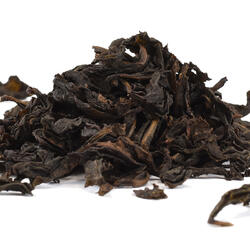
China Tie Luo Han Iron Arhat – Oolong
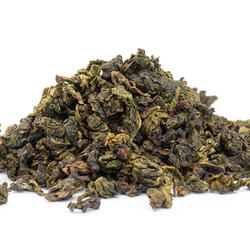
Tie Guan Yin Iron Goddess of Mercy – Oolong Tea