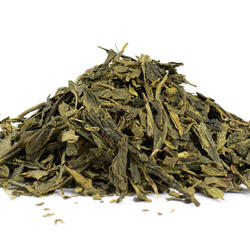
Senna Leaves (Cassia Angustifolia) – Herb


Maintaining a healthy weight, healthy joints, supporting vascular structure… The list of positive effects of this exotic herb goes on and on. It tastes somewhat bitter and earthy, but don’t let that stop you. People have been using this herb for thousands of years for a reason.
Shipping methods
| Nizozemská pošta HD - zásilkovna | Delivered by 8. 10. | 1,00 € |
|---|---|---|
 DHL DHL |
Delivered by 8. 10. | 4,90 € |


Ingredients
100 % SennaBrew & Taste
Beverages made from senna are yellow with orange to brown tinge and have an intense, bitter, earthy taste.
Origins
What does senna look like and why should you try it? Don’t worry, we’ll tell you, one after the other. Senna is a plant in the Fabaceae family found in the tropical and subtropical regions of Africa, Asia and the Middle East. One particular species – Senna Alexandrina – is native to Egypt and Sudan, which its leaves and fruit to various parts of the world, Europe included.
It is a tropical shrub reaching up to 1m in height. Its leaves are long, narrow, alternately arranged and composed of several pairs of smaller leaves. They are light to medium green color and have a smooth, glossy surface. Senna blooms in bright yellow and the flowers are arranged in racemose inflorescences. It bears an unbudded pod fruit with many seeds.
Both the leaves and the pods contain several amazing nutrients such as anthraquinones (specifically sennosides A and B). These trigger peristaltic muscle movements in the large intestine, thus speeding up the passage of food through the digestive system and facilitating your bathroom visits. Senna is also rich in flavonoids (which act as antioxidants), tannins (which have an astringent effect) and mucilage (which protect the mucous membranes).
The history of this herb dates back thousands of years. There are records describing senna in the Indian Ayurvedic system, and it was also highly valued in the ancient and Arab world.
Some of the health benefits that have been endorsed for senna include supporting normal intestinal function, maintaining normal joint health, and helping with weight control.
However, experts recommend to only use senna short-term. Longer treatments may have adverse effects such as laxative dependence, lazy bowel syndrome, electrolyte imbalances, abdominal pain or cramps. Excessive use can also cause dehydration. Senna is not suitable for pregnant and lactating women or those with inflammatory bowel syndrome (IBS). If you use senna, it should only be occasionally and under the supervision of a specialist.
Benefits of ingredients:
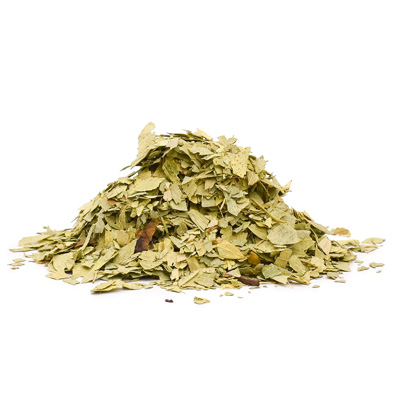

Herb packaging preview
We pack our herbs in a strong, zip-lock aluminum packet which allows you to easily re-seal its contents. Thanks to the hermetic seal, the herbs are protected against humidity, light and foreign odors, all of which could noticeably affect the quality of the brew and the herb itself.
Preparation
 100 °C
|
 10-15 minutes
|
 1 teaspoon for 150-200 ml
|
Instructions for preparation
- Pour 150-200ml of boiling water (100°C) per 1 teaspoon of senna leaves
- When brewing in a teapot add 1 extra teaspoon.
- Let steep for 10-15 minutes, then strain the liquid.


Are you looking for inspiration? Other customers have bought this:
China Gunpowder – Green Tea
Lapacho – Herb