Rosehip – Organic Powder


Rosehip powder is a quick and convenient way to naturally supply your body with vitamins – no artificial chemicals involved. One spoonful has as much vitamin C as two to three oranges, it tastes great, and dissolves within seconds. It goes perfectly with a morning yogurt, refreshing smoothie, or just mixed in a glass of water. The pleasantly sour taste will freshen you up and bring a dose of antioxidants.
Shipping methods
| Nizozemská pošta HD - zásilkovna | Delivered by 22. 10. | 1,00 € |
|---|---|---|
 DHL DHL |
Delivered by 22. 10. | 4,90 € |


Ingredients
Brew & Taste
The color of this powder ranges from light orange to vibrant pink depending on the amount used. The sourness is just right, not as sharp as in a lemon but instead pleasantly refreshing like sour apple. To help the powder dissolve completely and fast, use lukewarm or warm water. The process will not only be quicker but also retain the maximum amount of vitamin C, which is sensitive to temperatures over 60°C. The aroma is fruity with a slight note of pink flower petals.
Origins
Rosehips grow everywhere; along roadsides, on hedgerows, and in forests. In the past, they were used to make jams and preserves because there was no other fruit available in winter. Folk herbalists often claimed that they helped prevent colds. And they were right – rose hips contain more vitamin C than most other fruits. Vitamin C is well known for contributing to the maintenance of normal immune system function during and after intense physical exercise, but also for the formation of collagen for the normal function of blood vessels, bones, cartilage, and gums.
Vitamin C also supports normal energy metabolism and nervous system function. Last but not least, it helps protect cells from oxidative stress, reduces fatigue and exhaustion, and increases iron absorption.
The rosehip bush grows up to 3 m tall and has sharp thorns, so harvesting is no fun. It blooms in spring with white or pink flowers, which then turn into rosehips which ripen in autumn. It’s best to harvest them after the first frost, when they reach peak sweetness.
Hippocrates prescribed rosehips as far back as ancient times. In the Middle Ages, it was believed that they helped against rabies in dogs, which is why they’re nicknamed ‘dog rose’ in many countries across Europe. During wars, when fruit was scarce, they were collected as a substitute for citrus fruits. Rosehip shrubs grow throughout Europe and are considered a hardy plant.
Rosehips can be found from the lowlands to the mountains and can grow even in nutrient-poor soil. Its leaves are about 2-4 cm long and ovate. Overall, it’s not a demanding plant, which is why you can find it almost everywhere. During production, the rosehips are first cleaned, dried, and then ground. During grinding, they’re stripped of their unpleasant hairs and hard seeds. The result is a fine powder without impurities.
Rosehips contain not only a record amount of vitamin C, but also vitamin A, a whole range of B vitamins, and vitamin K. It has also been confirmed that rosehips contain antioxidants. During winter, when the body is more susceptible to infections, the body is sure to appreciate such support. Although it’s not a substitute for a varied diet, it works well as a supplement. Dosage is simple; 1-2 teaspoons a day is sufficient.
Benefits of ingredients:


Herb packaging preview
We pack our herbs in a strong, zip-lock aluminum packet which allows you to easily re-seal its contents. Thanks to the hermetic seal, the herbs are protected against humidity, light and foreign odors, all of which could noticeably affect the quality of the brew and the herb itself.
Preparation
 40 °C
40 °C
|
 30 minutes
|
 1 - 2 teaspoons for 250 ml
|
Instructions for preparation
- Pour 250 ml of cold or lukewarm water (max. 40°C) per 1-2 teaspoons of powder.
- Steep for 30 minutes up to a few hours, ideally overnight in the fridge.
- Stir well and, optionally, strain the liquid.
- The finished beverage can be flavored with honey.


| Energy value: | 970,7 kJ / 232 kcal |
| Fats: | 5 g |
| of which saturated: | 0,3 g |
| Carbohydrates: | 23,3 g |
| of which sugars: | 23 g |
| Proteins: | 4,1 g |
| Fibre: | 48,5 g |
| Salt: | 0,03 g |
Are you looking for inspiration? Other customers have bought this:
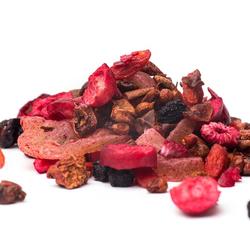
Goji-Raspberry – Fruit Infusion
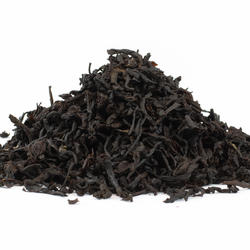
Earl Grey – Black Tea