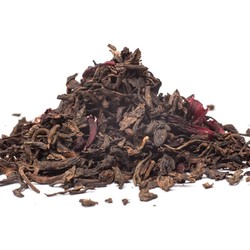
Pumpkin-Choco-Chili – Black Tea


What do you get when you combine the British tradition of black tea, Mexican passion for chili peppers, and the American love of pumpkins? The answer is a surprisingly balanced blend where the creaminess of chocolate embraces the slight spice. Perfect for lovers of distinct flavors who love to experiment.
Shipping methods
| Nizozemská pošta HD - zásilkovna | Delivered by 22. 10. | 1,00 € |
|---|---|---|
 DHL DHL |
Delivered by 22. 10. | 4,90 € |


Ingredients
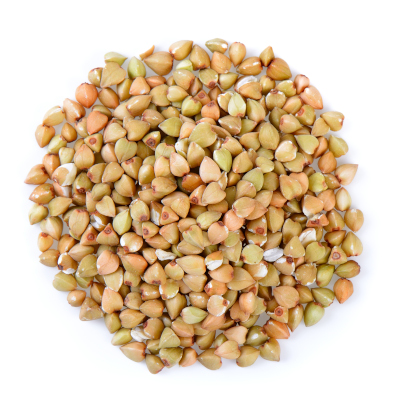
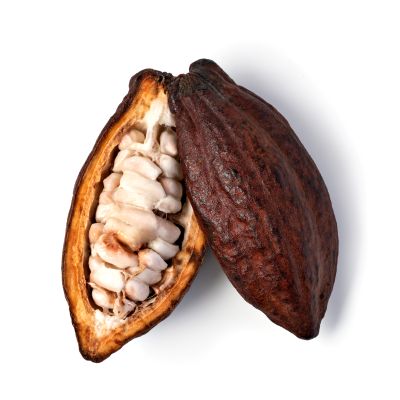
Black tea, Cocoa peel, 7 % Pumpkin chunks, Roasted rice, Slad Barley, Cassia Cinnamon, Roasted chicory root, Carob, Roasted Buckwheats, 2 % Chili peppers, Coconut flakes, Cocoa powder, Green tea Genmaicha, Natural aromaBrew & Taste
This tea takes on a rich golden color. Robust black tea creates a solid foundation into which other flavors gradually blend. First, you’ll notice a hint of chocolate from cocoa shells along with some coconut creaminess, followed by the sweetness of pumpkins. Chili enters the scene subtly, starting as a gentle tingle and gradually intensifying into a pleasant warmth. The whole composition is rounded off by the earthy depth of roasted chicory and the nutty tones of genmaicha.
Origins
Black tea was first produced in China as early as the 17th century. However, legend has it that its creation was more of an accident. Tea leaves are said to have oxidized during transport or prolonged drying, and people liked the new, more distinctive taste. It’s during this oxidation that substances called theaflavins are formed, which give tea its typical dark color and full flavor.
Chili peppers are hot because of capsaicin. The body reacts to it as if it were pain, releasing endorphins, which is why you may feel unexpectedly good after a few bites or sips. Cassia comes from China and is often sold as cinnamon, even though it comes from a different tree. It has a rougher, more intense flavor than delicate Ceylon cinnamon. It also contains more coumarin than real cinnamon, which gives it a more distinctive aroma.
Chicory saved coffee lovers during wars and economic crises. The roasted root tastes similar to coffee, but without the caffeine. It also contains inulin, a type of fiber that promotes healthy gut bacteria. It's no wonder that Napoleon turned to chicory when coffee imports from the colonies stopped due to a naval blockade.
Carob comes from the pods of the carob tree, which grows in the Mediterranean. The ancient Egyptians used it as a sweetener, and the Greeks made cough syrup from it. And buckwheat? When roasted, it acquires a delicate nutty aroma that has won the hearts of the Japanese so much that they use it to make their favorite tea, sobacha.
Coconut flakes are made by grating and drying the white flesh of coconuts. They contain specific fats that go straight from digestion to the liver, where they are converted into quick energy. Genmaicha was invented by Japanese merchants who wanted to save money on expensive green tea. They added roasted rice to it and created a drink with a popcorn aroma.
Here’s a great tip for warming up on cold days: add hot milk to strong tea with chili and sweeten it with honey. The milk fat softens the sharp tones and brings out the chocolate smoothness even more.
Benefits of ingredients:
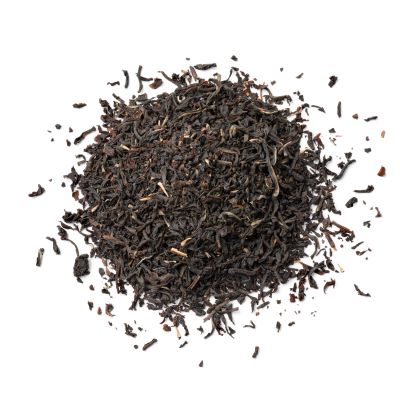

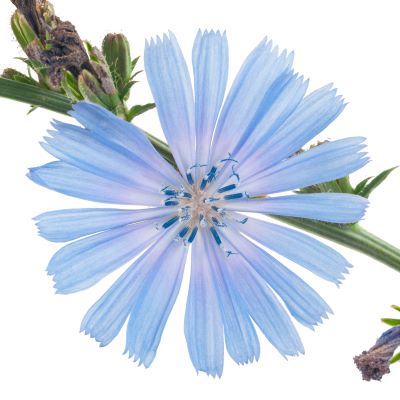
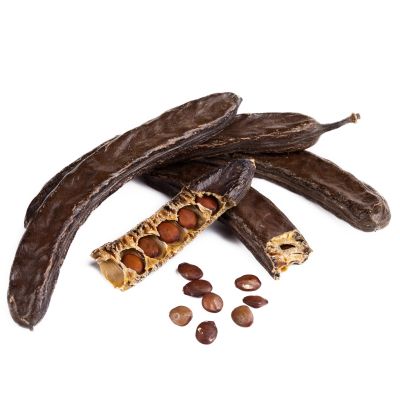

Tea packaging preview
We pack our teas in a strong, zip-lock aluminum packet which allows you to easily re-seal its contents. This container protects the quality of the tea against humidity, light or foreign odors, all of which could noticeably affect the quality of the brew.
Preparation
 100 °C
|
 3-5 minutes
|
 1 teaspoon for 150-200 ml
|
Instructions for preparation
- Pour 150-200ml of boiled water (100°C) per 1 teaspoon of tea.
- When brewing in a teapot add 1 extra teaspoon.
- Covered, let steep for 3-5 minutes, then remove the strainer.


| Energy value: | 4 kj / 1 kcal |
| Fats: | <0,1 g |
| of which saturated: | <0,1 g |
| Carbohydrates: | 0,1 g |
| of which sugars: | 0,1 g |
| Proteins: | 0,1 g |
| Salt: | 0,01 g |
Are you looking for inspiration? Other customers have bought this:
Child's Dream – Fruit Infusion
For Cold Weather – Herbal Infusion