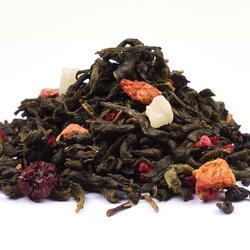
Pineapple Fresh – Green Tea


For a warm summer evening, to start a spring morning, to warm up after a winter walk, and maybe for a fall afternoon with a book... Whatever the ocassion, there's always a place for Pineapple Fresh. A light, refreshing green tea with pineapple bits, raisins and rose petals will find its way into your day no matter what the calendar says.
Shipping methods
| Nizozemská pošta HD - zásilkovna | Delivered by 22. 10. | 1,00 € |
|---|---|---|
 DHL DHL |
Delivered by 22. 10. | 4,90 € |


Ingredients
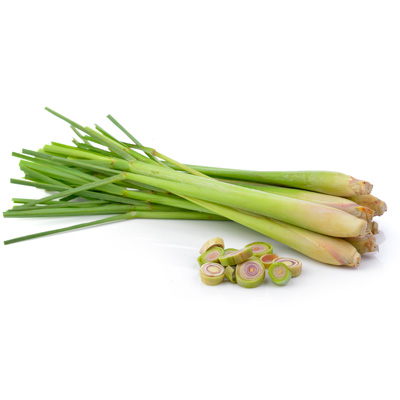
Green tea China Sencha, Raisins, 4 % Pineapple chunks (pineapple, sugar, antioxidant: citric acid), 4 % Pineapple granulate (pineapple, sugar, antioxidant: citric acid), Lemongrass, Rose petals, AromaBrew & Taste
The flavor of Pineapple Fresh tea bursts with pineapples and sencha. In addition, you will also find notes of sweet raisins and a touch of rose petals. The overall composition is balanced, fresh, and slightly sweet. The infusion is a clear, pale yellow and smells of pineapple.
Origins
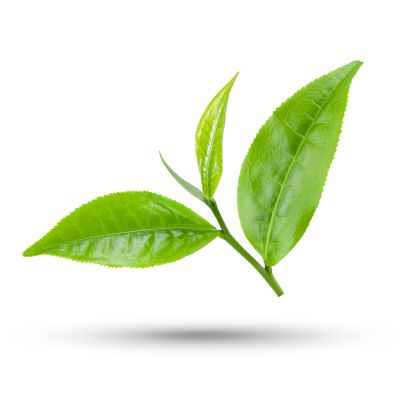
Why sencha? This may be news for you, but this tea is one of the most popular in the world, with a history dating back to the 8th century AD. It's popular for its fresh, delicate flavor, delicious on its own or as part of tea blends, where it adds a touch of caffeine and a natural freshness. Sencha also contains catechins and antioxidants. It's loved not only by the Japanese or the Chinese (the largest producers of green tea) but also by Europeans and Americans.
The production of sencha begins with the careful, usually manual, harvesting of young tea leaves, most often done in spring. The pickers pluck only the best quality leaves, which are processed as quickly as possible to preserve their freshness. After picking, they steam the leaves briefly to prevent oxidation and to stabilize their beautiful emerald color and natural flavor and aroma. Steaming takes 15-20 seconds, followed by rolling, which gives the tea its typical needle-like shape.
After rolling, the tea awaits drying and sorting. The whole process is very meticulous, requiring expertise that tea garden owners have passed down through the generations. And since pineapple is also a core part of this tea, a few sentences should be devoted to it as well.
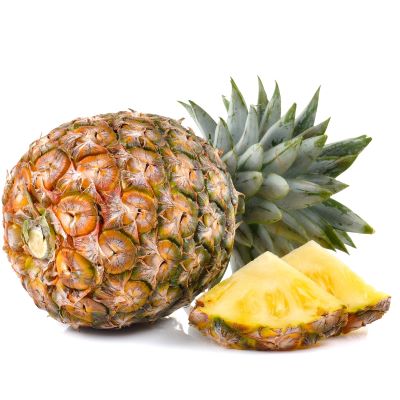
It comes from South America, specifically from the area between Paraguay, Brazil and Argentina. It's the fruit of a plant with the Latin name Ananas comosus, a perennial herb with a characteristic rosette of stiff, sharp leaves where the fruit appears – first, a stem in the middle of the rosette, which bears the inflorescence. After pollination, the individual flowers are joined to form a compound fruit. Growing pineapples requires a warm climate and well-drained soil. It usually takes 18-24 months from the time the young plants are planted until the first fruit is harvested. The main nutrients contained in pineapples are vitamin C, manganese, vitamin B6, copper and thiamine. In addition, the pineapple is known for the enzyme bromelain.
Benefits of ingredients:

Tea packaging preview
We pack our teas in a strong, zip-lock aluminum packet which allows you to easily re-seal its contents. This container protects the quality of the tea against humidity, light or foreign odors, all of which could noticeably affect the quality of the brew.
Preparation
 70-80 °C
|
 2-3 minutes
|
 1 teaspoon for 150-200 ml
|
Instructions for preparation
Pour 150-200ml of boiled water (70-80°C) per 1 teaspoon of tea.
When brewing in a teapot add 1 extra teaspoon.
Covered, let steep for 2-3 minutes, then remove the strainer.


| Energy value: | 13 kJ / 3 kcal |
| Fats: | 0.5 g |
| of which saturated: | 0.1 g |
| Carbohydrates: | 0.7 g |
| of which sugars: | 0.7 g |
| Proteins: | 0.5 g |
| Salt: | 0.01 g |
Are you looking for inspiration? Other customers have bought this:
Lingonberry-Strawberry Sencha – Green Tea
Strawberry-Vanilla – Green Tea