


Why our products?
- Free shipping on orders over 49 €
- Satisfied customers
- Delivery date is specified within the product description
Perfect tea - Proper steeping is key
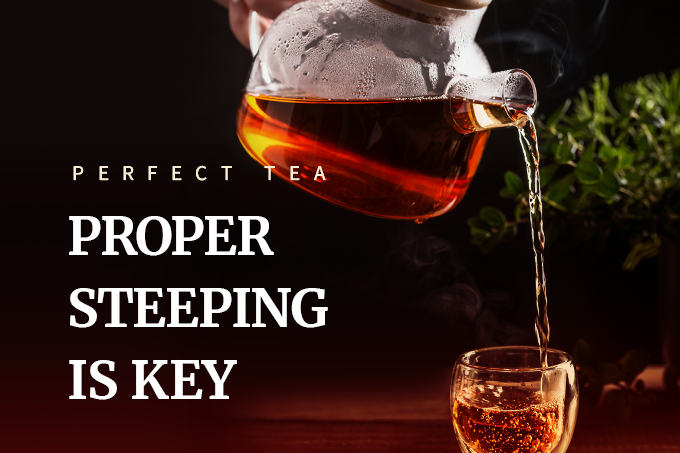
How to make delicious tea?
Do you drink green tea? Or maybe you prefer black, white or fruit tea? Either way, you should know that each of these teas requires a slightly different brewing process. Flavor and aroma are dependent on not only its quality, but also on how much you use, quality of the water and even the length of steeping. And it’s exactly the last step that you should pay careful attention to.
The secrets of steeping
Steeping, or tea infusion, is process during which the flavor and aroma of loose tea leaves are extracted with water. The moment the extraction is complete, they absorb a part of the water and become re-hydrated – this is exactly when those beneficial elements such as caffeine, polyphenols, flavonoids, essential oils, carotene and vitamins start to dissolve into your cup. That’s why the longer you let your tea steep, the stronger and more aromatic the result. For some types of tea this process is pretty quick, while for others it may take a while.
Letting your tea steep for too long or too short will make it too bitter or pale and watery respectively. It can also make some elements more dominant and push other unique flavor notes that tea can offer into the background.
Start with the water
Because water is the foundation of every cup of tea, you should never underestimate its quality. Experienced tea lovers will surely agree that the water quality can affect not only the taste and aroma, but also the looks.
Tap water, which you undoubtedly use the most often, is usually too hard and can ruin the purity of flavor. Even if it’s safe for drinking and completely free of any health hazards, it may not be suited for making tea.
The hardness of water directly correlates to how many minerals it can absorb from your tea leaves. The most common minerals in tap water are calcium and magnesium, but the more minerals, the harder the water. We don’t really recommend using hard water – even though it’s safe, it can impact your appliances and cause corrosion.
If you make your tea with hard water, you may notice a slight skimming at surface of your tea. The taste can sometimes even include hints of metal. And washing your cup after you’re done with it will be a little harder than if you made your tea with soft water.
Soft water is perfect for making tea. The content of mineral salts is minimal, which allows your tea leaves to be properly extracted, flavors, aromas and all.
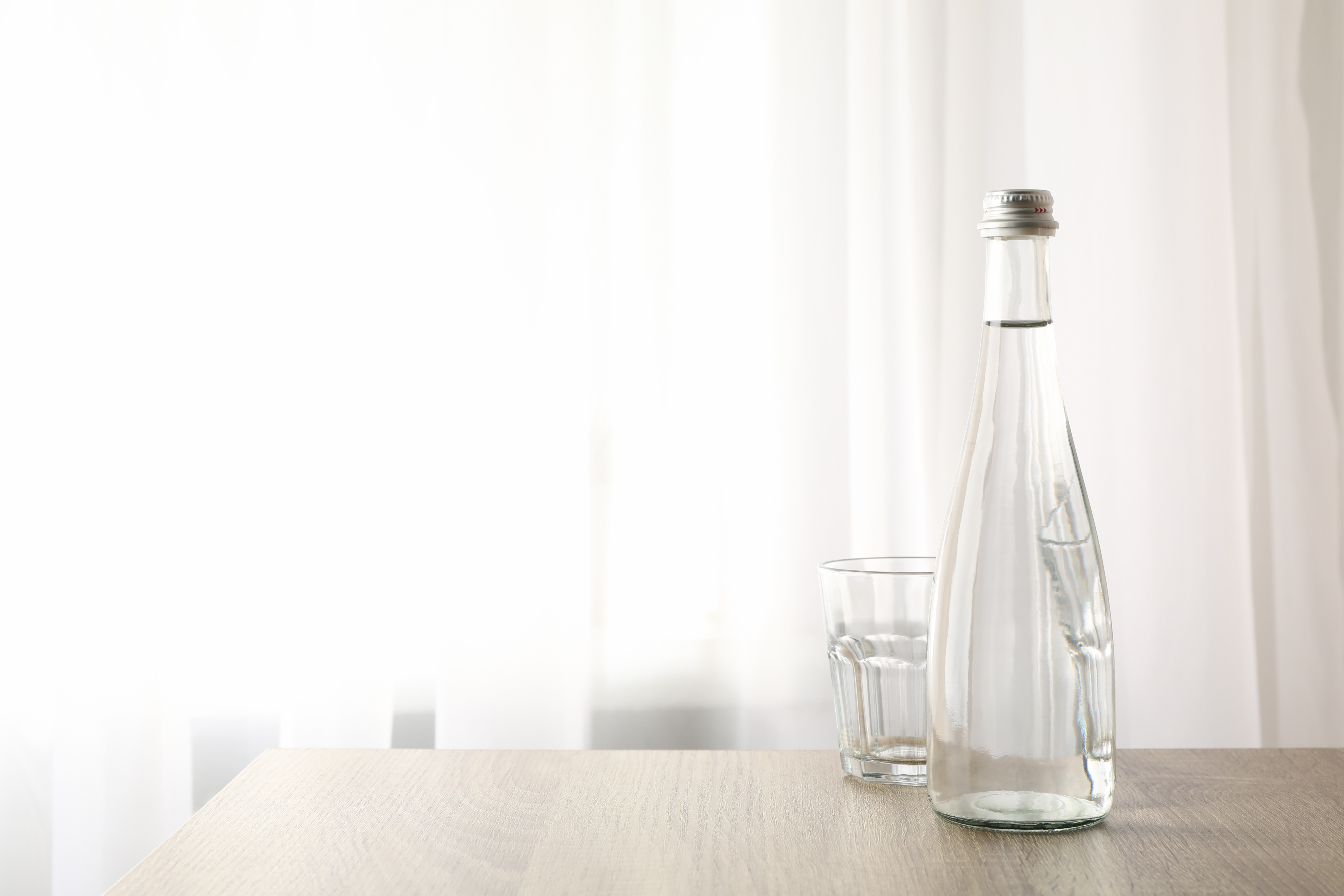
If you know that your kitchen sink has hard or chlorinated water, we recommend buying some high- quality bottled water or using a filter when gathering water for your tea brewing purposes. A good water filter can not only soften the water but also reduce the amount of chlorine inside.
And one more thing – avoid endlessly re-using boiled water. If you’re left with a good amount after covering your tea, use the leftover water for something else and boil a fresh batch for your next cup or pot. Re-boiling water too much depletes oxygen, which can make your tea taste metallic.
Hot or boiling?
You also need to consider the temperature of the water, of course. Never cover your tea with cold water – only hot water that can extract properties of tea leaves effectively.
On the other hand, not every tea favors boiling water, which is especially true for heat-sensitive white and green teas and can rob them of their unique aroma. The ideal water temperature for these kinds of tea is around 70-80°C. Boiling water is usually safe for black and fruit teas, as it helps dissolve the contained tannins, namely catechin. These are crucial for the aroma of your tea.
Steeping time
If you want a perfectly balanced cup of tea, grab yourself a timer and make sure to really stick to it. White and green teas especially shouldn’t be left in water for too long. Otherwise, the leaves will release too much tannin, and your tea will become more astringent than you may have wanted. Black and fruit teas don’t need to follow any strict rules, but make sure not to overdo it too much. Excessive steeping can make fruit teas too sour and black teas too bitter.
Re-steep, re-steep, re-steep
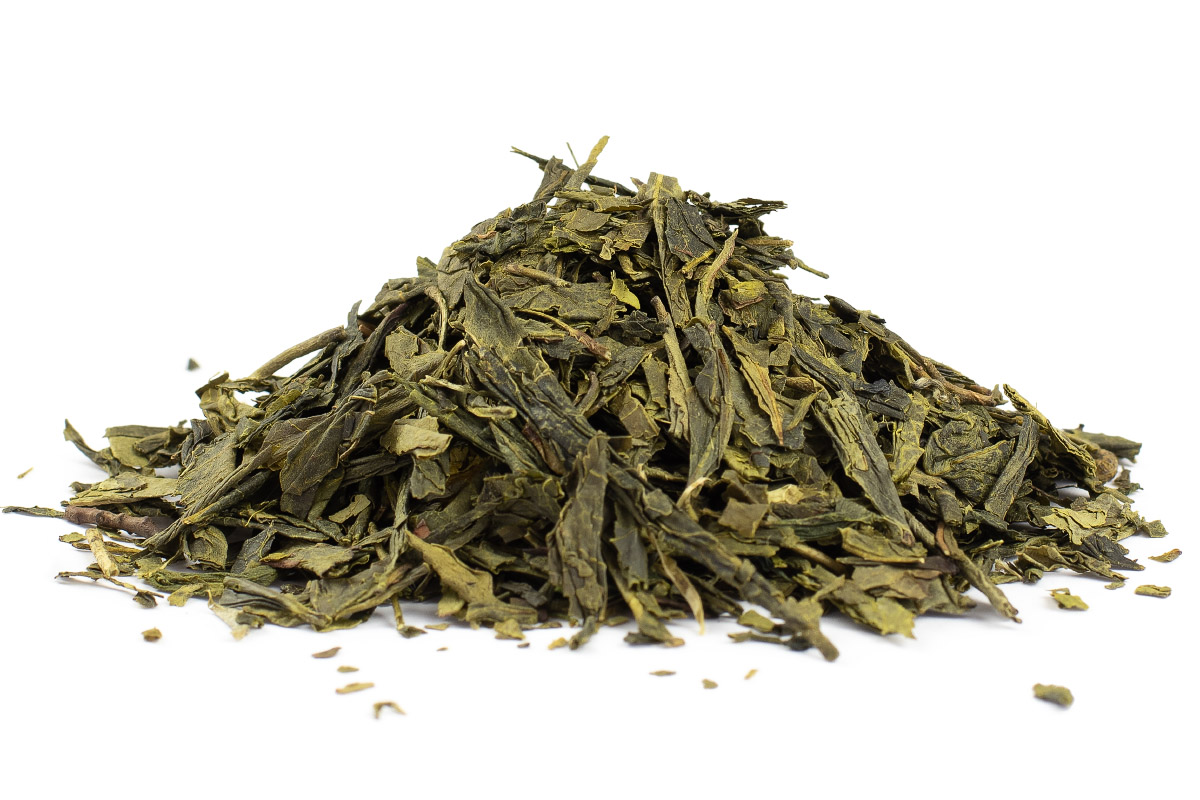
One batch of tea leaves doesn’t always mean only one infusion, quite the opposite. Green loose-leaf teas can be usually steeped multiple times without losing any of their distinctive aroma and rich flavor.
As a general rule, as long as the re-steeped infusion is clear, your tea tastes fresh and mild and has its signature aroma, it’s still good. Once it starts to smell stale, you should avoid drinking it.
Plastic or porcelain?
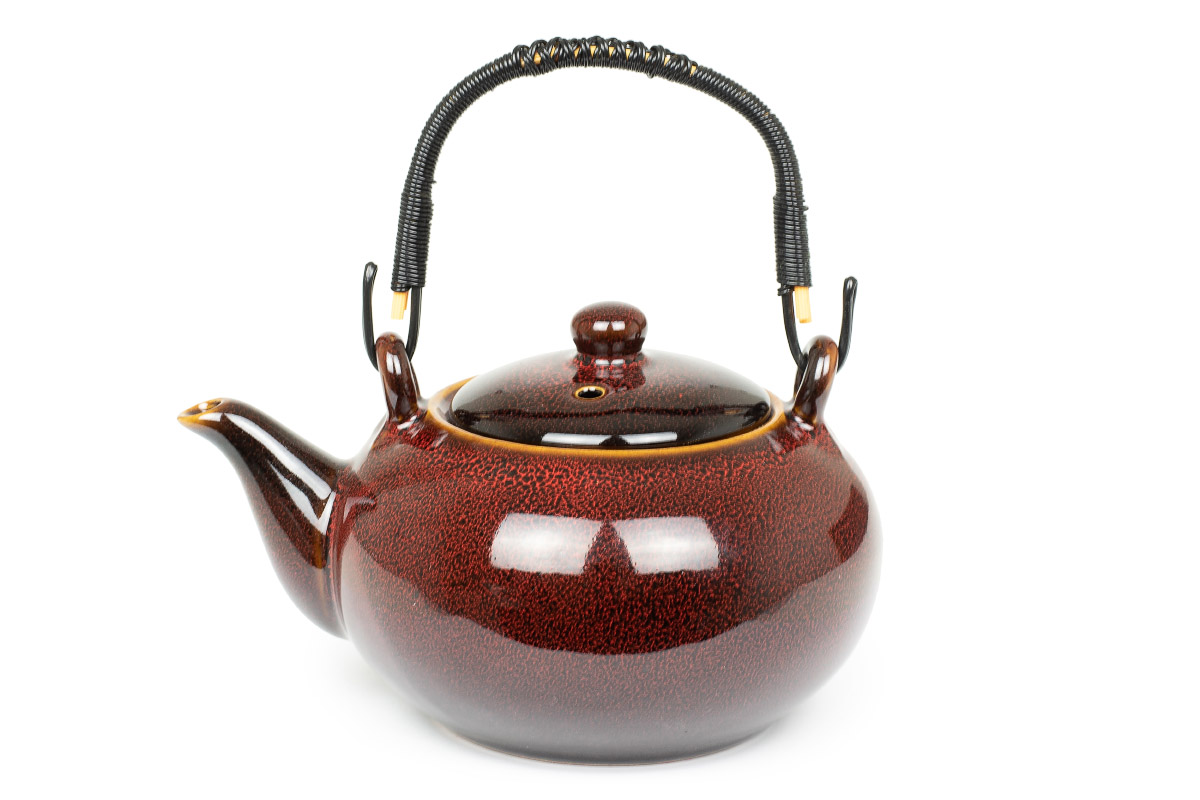
Unless you’re out in the wild and need a little warming up, we recommend making your tea in porcelain or glazed ceramic. Metals and plastic not only don’t look as pretty when filled with tea but may also negatively affect taste. If you want to keep your tea warm for longer, we recommend a cast iron teapot, which can maintain the temperature for a longer time. This type of teapot is perfect for brewing black or fruit teas which require boiling water. White and green teas, on the other hand, benefit most from teapots made from glass.
Is quality important?
Even if you follow the above-mentioned rules to a T, a good tea can only be made with a high-quality foundation. Fresh, whole tea leaves make for much more delicious, easily extracted flavor while broken pieces are more likely to leave a bitter note. Only a few select kinds of tea, usually black teas, are broken down on purpose to achieve stronger flavor.
Fresh tea leaves are easily recognizable – they’re nice and vibrant and don’t fall apart easily even when you rub them between your fingers. Generally, the higher the quality of your tea, the more enjoyable flavor and overall experience from it.
Don’t underestimate storing your tea, either. By storing your tea correctly, you can help it keep all of its good properties. Ideally, find a dry, cool and dark place and place your tea in an airtight tin there. Tea leaves shouldn’t come in contact with open air, which can affect their taste due to oxidation. What’s more, you should avoid storing your tea alongside aromatic foods ands spices, so the leaves don’t absorb their odors..
The secret to a perfect tea
With this in mind, let’s recap what are the best methods for each type of tea. Sticking to these loose rules will make your experience the best possible.
-
The ideal ratio is 1 teaspoon of tea per 150-200ml of water.
-
Avoid using boiling water, instead let your boiled water cool down to 70-80°C.
-
Steeping time is around 2-3 minutes, and your cup or teapot should be covered to retain
temperature. Then, strain your tea. -
Green teas contain caffeine, some vitamins and minerals as well as the amino acid L-
theanine. This is the culprit behind its slightly sweet flavor and the calming, stress-relieving
effects. -
You can steep for shorter time if you want less caffeine yet still retain some flavor. If you
want to maximize its benefits, steep for longer.

-
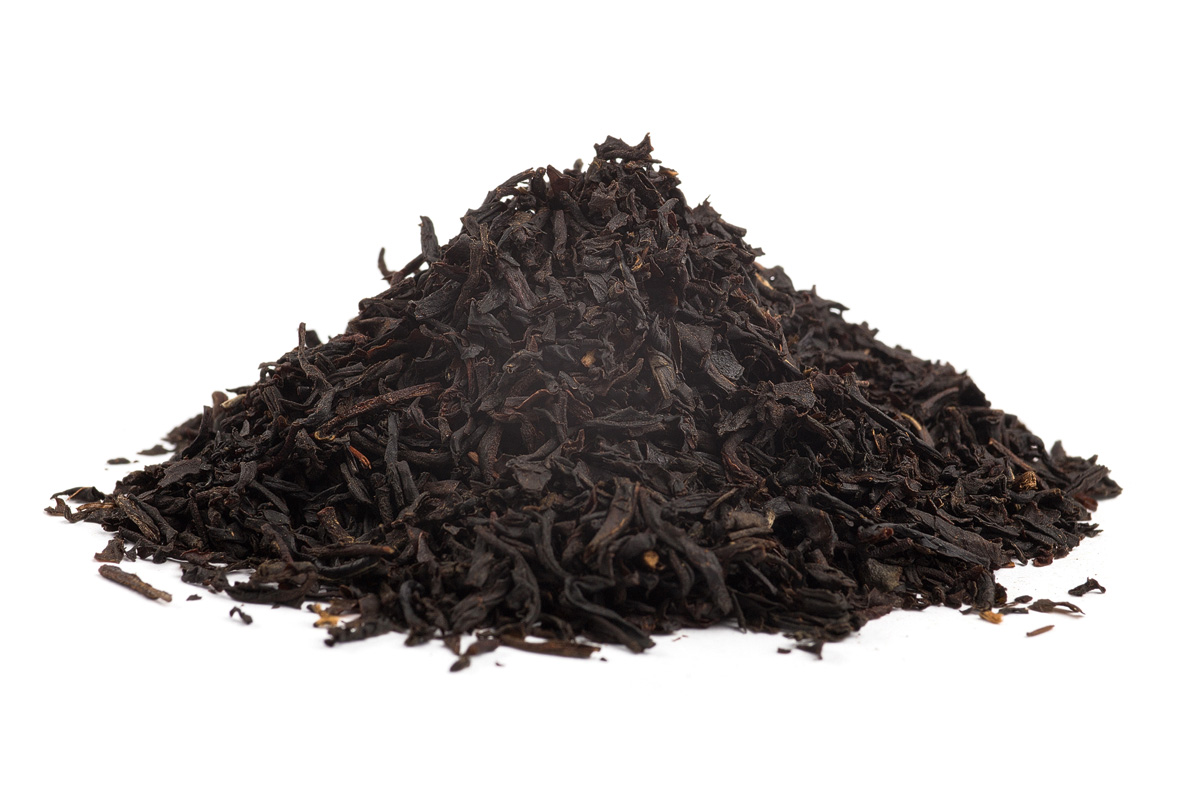
Black tea requires water around 100°C to release everything properly.
-
You should add 150-200ml of water per 1 teaspoon of black tea.
-
For a strong tea with a good flavor, steep for 3-5 minutes.
-
Longer steeping time allows tea to release mostly caffeine, but that doesn’t mean stronger
flavor or better quality. Oversteeping can make your tea overtly bitter.

-
The ideal ratio is 1 teaspoon of tea per 150-200ml of water.
-
Similar to green tea, steep your leaves in temperature around 70-80°C.
-
Steeping time should also not exceed 2-3 minutes.
-
Shorter steeping makes for milder flavor.
-
Longer steeping allows the tea to release maximum antioxidants, minerals and other
beneficial nutrients. -
Don’t be afraid to experiment! Find your own ideal steeping time to balance flavor just the
way you like it.

-
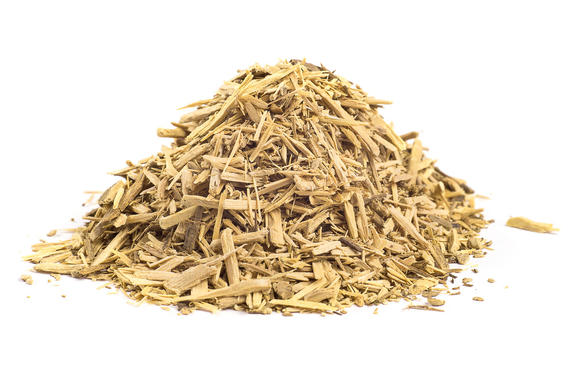
Similar to black tea, most fruit teas require boiling water.
-
Ideal ratio of tea to water is 1,5-2 teaspoons to 200-250ml.
-
The steeping time is dependent on the herbs included in your blend.
If you’re making a whole teapot instead of just one cup, you should always add one extra teaspoon no matter the kind of tea. If available, you can follow the instructions on the package. Most high- quality teas include steeping times as well as tea-water ratios.
If you stick to these rules, we’re sure you’ll be able to transform your loose-leaf tea into the perfect cup full of delicious aroma. And if you’re still unsure even after reading, don’t despair: visit our website and let our team of professionals walk you through the process. And we’ll help you pick the best tea to suit your tastes, too!
