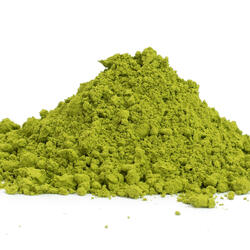
Organic Kagoshima Premium Select Matcha – Green Tea

This ceremonial matcha from the Kagoshima region is like spring fog covering the hills of tea gardens – subtle, calm yet intense. The Okumidori cultivar, harvested at the tail end of May 2025, brings forth tea powder with a silky texture, vibrant emerald color, and an incredibly sweet umami. It’s a tea for those moments when you just want to slow down, focus, and enjoy the best of Japan.
Shipping methods
| Nizozemská pošta HD - zásilkovna | Delivered by 22. 10. | 1,00 € |
|---|---|---|
 DHL DHL |
Delivered by 22. 10. | 4,90 € |


Ingredients
100 % Organic Kagoshima Matcha Premium Select green teaBrew & Taste
Immediately after whisking, you’ll notice a thick, silky foam and fresh, green aroma with notes of young leaves and sea breeze. The taste is dominated by a creamy sweetness with a mild nutty undertone and a soft, long-lasting umami finish. Due to the high concentration of theanine, the overall impression is balanced, without any astringency. It’s perfect for the traditional tea ritual as well as modern matcha iterations such as matcha latte or light desserts.
Origins

Matcha from Kagoshima is a story of the landscape, the people, and thousands of tea trees. If you’re used to associating the highest quality exclusively with areas such as Uji or Nishio, allow us to take you a little further south, to the island of Kyushu. There, in Kagoshima, grows a special variety of tea plant which, thanks to the combination of the local climate and the Okumidori cultivar, creates a matcha with an entirely unique character.
Okumidori (meaning ‘deep green’) is a more modern cultivar bred in the Shizuoka region of Japan in the 1970s. Because its leaves sprout later than other varieties, the plant retains more amino acids, which is directly reflected in the sweetness and delicate umami of the resulting tea. Okumidori is often used to make sencha or gyokuro, but it shows its full potential as matcha. It stands out with its rich emerald color and velvety creamy taste.
Kagoshima is Japan's second most important tea-growing region. It’s famous for its volcanic soil full of minerals from the majestic Sakurajima volcano. Regular ash deposits and abundant rainfall create soil that’s both loose and fertile. The tea gardens are located at an altitude of 200-600 meters, so the tea plants are literally bathed in mist and dew. This means they’re naturally protected from direct sunlight, which makes the leaves grow at a much slower pace. The result is leaves with a high content of theanine and chlorophyll.
The history of tea in Kagoshima dates back hundreds of years, to the time when humble monks brought the first tea seeds from the famous Uji. During the Edo period, the local Satsuma clan supported tea farming, and the region gradually became an important tea producer. For a long time, tea from Kagoshima was a rather "nameless" component of blends, but today it’s building up its own prestige. And rightly so. The combination of tradition, innovation, and organic farming makes this area one of the centers of modern Japanese tea art.
Benefits of ingredients:
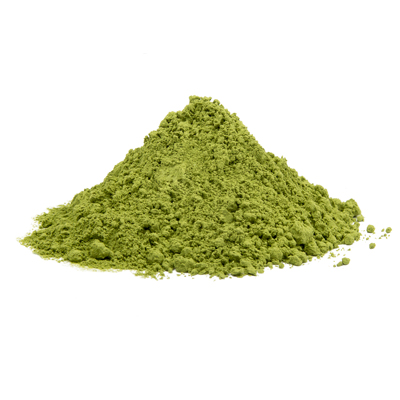

Tea packaging preview
We pack our teas in a strong, zip-lock aluminum packet which allows you to easily re-seal its contents. This container protects the quality of the tea against humidity, light or foreign odors, all of which could noticeably affect the quality of the brew.
Preparation
 75 °C
75 °C
|
 whisk
whisk
|
 0.5 teaspoon for 100 ml
|
Instructions for preparation
- Add half a teaspoon of matcha per 100ml of boiled water (75°C).
- For best results, heat up your glass or bowl before adding matcha powder.
- Whisk or stir vigorously until a thick foam forms.
- Optionally, use a milk frother.


Are you looking for inspiration? Other customers have bought this:
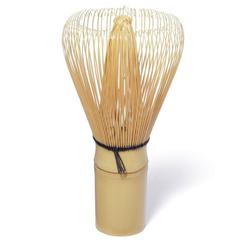
Matcha Whisk – Chasen
Japan Matcha Uguisu – Organic Green Tea