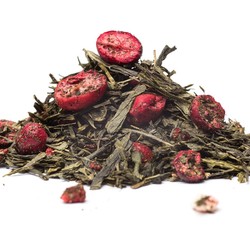
Organic Decaf Sencha (Japan Style) – Green Tea


A green tea inspired by Japan, but with origins in China. That's our Organic Decaf Sencha – it combines traditional Japanese processes with Chinese tea leaves. The result is a light, refreshing tea with the characteristic mild and pure taste that's also caffeine-free. In short, this sencha values Japanese tradition while bringing in its own original ideas.
Shipping methods
| Nizozemská pošta HD - zásilkovna | Delivered by 22. 10. | 1,00 € |
|---|---|---|
 DHL DHL |
Delivered by 22. 10. | 4,90 € |


Ingredients
Brew & Taste
Organic Decaf Sencha (Japan Style) will please you with its light green infusion and subtle shine. You can look forward to a pleasantly refreshing taste with a slightly sour note balanced by an almost unnoticeable hint of astringency. The aroma is pure and cooling and can remind you of a sea breeze or a forest after a rain. This tea can be steeped repeatedly, with each subsequent brewing uncovering new layers of taste, from new refreshing flavors to a mildly sweet aftertaste.
Origins

Organic Decaf Sencha (Japan Style) is proof of how deeply traditional tea culture can influence production even outside its homeland. Although authentic sencha originates from Japan, this tea was grown in Chinese tea gardens, where growers draw inspiration from the Japanese approach to green tea processing.
Farmers grow tea plants at higher altitudes to ensure they receive ample fog, moisture, and sunlight. These conditions slow the growth of the leaves, allowing them to develop a more delicate and complex flavor profile. Emphasis is placed on organic farming – no chemical fertilizers or pesticides are used on the plantations, which positively reflects not only in the tea’s quality but also in its purity.
Harvesting typically takes place once or twice a year. The young, tender leaves must be processed as fast as possible. The entire process relies on brief steaming, a technique typical of Japanese teas. It stops oxidation and preserves the fresh, green character of the leaves. This is followed by rolling into thin needles and gentle drying, which gives the tea its characteristic appearance and flavor.
A unique feature of this green tea is the removal of caffeine using carbon dioxide (CO2). This technology is among the gentlest methods available.
The result is a tea that honors the tradition of Japanese sencha while also bearing the hallmarks of its Chinese origins – delicate, pure, and naturally balanced.
Decaffeination process:
This tea has been de-caffeinated using carbon dioxide (CO2). There exist several methods for decaffeinating tea, but this one is by far the safest. Furthermore, with this method, the tea fully retains its original flavor and health benefits, so it doesn't lose its original quality. A minor drawback may be that this method is among the most expensive, but it's worth it for the fact that the process is entirely natural and doesn't involve any industrial chemicals.
Carbon dioxide (CO2) is a non-toxic, non-flammable gas that's without color and odor. It occurs naturally in the atmosphere and is found in every carbonated beverage. Carbon dioxide is brought to a supercritical state through pressure and temperature, in which it's able to dissolve and bind to caffeine molecules. The soaked tea leaves are brewed in a large-capacity pressure vessel; after pressurization, CO2 in a supercritical state passes through the tea leaves, thereby filtering out the caffeine. Because flavor molecules are larger, they remain unchanged, and the tea thus retains its natural flavor.
Benefits of ingredients:

Tea packaging preview
We pack our teas in a strong, zip-lock aluminum packet which allows you to easily re-seal its contents. This container protects the quality of the tea against humidity, light or foreign odors, all of which could noticeably affect the quality of the brew.
Preparation
 70-80 °C
|
 2-3 minutes
|
 1 teaspoon for 150-200 ml
|
Instructions for preparation
- Pour 150-200 ml of boiled water (70-80°C) per 1 teaspoon of tea.
- When brewing in a teapot, add 1 extra teaspoon.
- Covered, steep for 2-3 minutes, then remove the strainer.


Are you looking for inspiration? Other customers have bought this:
Papaya-Moringa – Organic Fruit Infusion
Japan Bancha Premium – Green Tea