Mesquite – Powder


The Mesquite plant may be large, but the leaves and pods of this tropical tree are thin and slender. What's more, it not only tastes good but also contains abundant vitamins and minerals, which landed it on the menu of the Central and South American natives. Today, it's favored by athletes, vegetarians, and vegans around the world, who mostly eat it to replenish proteins.
Shipping methods
| Nizozemská pošta HD - zásilkovna | Delivered by 8. 10. | 1,00 € |
|---|---|---|
 DHL DHL |
Delivered by 8. 10. | 4,90 € |


Ingredients
100 % Prosopis julifloraBrew & Taste
Mesquite is a light, cream-colored powder that tastes close to nuts and caramel. It's pleasantly sweet and particularly well suited for fruit smoothies, but also for coffee, tea, porridges, desserts and so on. It can also be used as a substitute for flour.
Origins
You can call it a superfood or a functional food. Either way, the powder from the pods of the Prosopis juliflora is a highly valued source of protein, important minerals and vitamins. It is therefore popular with people under high physical and mental stress, athletes, vegans and vegetarians, pregnant women and the elderly.
Mesquite is a thorny shrub or tree native to Central and South America. It was there that its pods were "discovered" by Native Americans. They used them as a medicinal remedy and for food. Available information describes that they used the mesquite, i.e. the crushed pods with seeds, to bake something similar to our bread.
The tree has acquired a variety of names, from the Hawaiian kiawe to the South American huarango to the Ecuadorian algarrobo pálido. And since it has spread from its original habitat to much of the world with the help of European colonizers, you're sure to come across many other names. Admittedly, the plant has an excellent ability to reproduce, grows quickly and is able to occupy sites where other greenery fails. If other plants do happen to thrive, the presence of the mesquite can easily change that. In fact, it can pull so much water out of the soil that there is little left for others.
In some areas, such as the grasslands of Australia or East Africa, the it's becoming an invasive species. It crowds out the native flora and costs the local population considerable effort to get rid of it. Its strong ability to recover from the roots, its thorns that puncture tyres and injure livestock, and its allergy-inducing pollen don't exactly make it a popular part of urban or rural greenery.
Interested in how such an interesting plant looks? It grows up to 10m, its bark is covered with thorns, its leaves are pinnate and its flowers form elongated spikes which turn into slender, pale yellow pods containing 10-20 brown seeds. The pods can be eaten fresh, cooked, fermented or dried.
In terms of nutritional value, mesquite is low in sugar, but high in protein (up to 17%), fiber (up to 25%) as well as zinc, potassium, calcium and iron.
Benefits of ingredients:
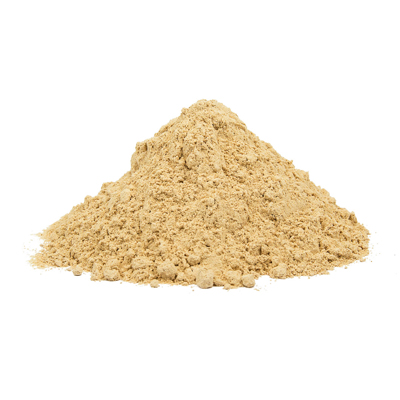

Herb packaging preview
We pack our herbs in a strong, zip-lock aluminum packet which allows you to easily re-seal its contents. Thanks to the hermetic seal, the herbs are protected against humidity, light and foreign odors, all of which could noticeably affect the quality of the brew and the herb itself.
Instructions for preparation
- Stir a teaspoon of powder in a bit of water to create a thick paste.
- Dilute with more water.
Do not exceed recommended daily dosage of 2-4g (approx. 1-2 teaspoons).


| Energy value: | 1623 kJ/ 388 kcal |
| Fats: | 1 g |
| of which saturated: | 0,1 g |
| Carbohydrates: | 18,3 g |
| of which sugars: | 0,6 g |
| Fibre: | 29,6 g |
| Proteins: | 9,5 g |
Are you looking for inspiration? Other customers have bought this:
Motivational blend – Fruit Infusion
Child's Dream – Fruit Infusion