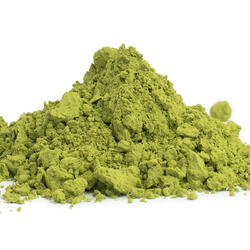
China Matcha BIO – Green Tea

How do Chinese producers make Japanese matcha? The answer is pretty well! The characteristic taste of the signature green tea loses none of its strength, maybe it's even richer and more robust. China Matcha is made from the finest Chinese tea leaves, harvested with utmost care, gently dried and ground with love. The fine green powder singifies the authenticity and tradition of green teas.
Shipping methods
| Nizozemská pošta HD - zásilkovna | Delivered by 8. 10. | 1,00 € |
|---|---|---|
 DHL DHL |
Delivered by 8. 10. | 4,90 € |


Ingredients
100 % Green tea Matcha ChinaBrew & Taste
Matcha tastes very interesting. At first, we recognize a sweet flavor, not too pronounced. After that, a subtle, light astringency spreads on the palate. Chinese matcha, unlike Japanese matcha, is more pronounced and fuller. The drink, which is prepared by stirring it with a whisk, has an unmistakable emerald green color. The aroma is rather subtle and faintly grassy.
Origins

It's remarkable that we think of matcha as a typically Japanese tea, when it was Chinese Buddhist monks who began using the powdered tea leaves primarily as medicine. Supposedly, this was done from the 7th century onwards, and in the 12th century matcha began to penetrate Japan. It was brought there by Eisai, the author of The Book of Tea (published in 1190), in which he described, among other things, the miraculous effects of matcha. The unique drink began to be used in the now-famous tea ceremony of Cha-no-yu. It probably dates back to the 16th century and was the privilege of samurai in particular. For several hundred years, matcha was reserved for the privileged Japanese elite. It was not until the 20th century that it reached Europe and America.
Unlike traditional green teas, matcha is ground into a powder and is therefore consumed entirely, not just as an infusion. This ensures that the maximum amount of health benefits are delivered to the body. The benefits are up to 15 times higher than those of regular green tea.
The leaves of the Chinese tea tree (Camellia sinensis) are harvested in early spring to make matcha. Only the best leaves are selected. Before harvesting, however, the tea plants must be well prepared – they are shaded for four weeks with large reed mats and rice straw, which allow near to no light to reach them. This intensifies the plants' production of green chlorophyll, giving them an even richer colou and, most importantly, a higher amino acid content.
The tea is harvested entirely by hand and is not rolled nor otherwise bent. Immediately after harvest, it is steamed for about 20 seconds in a 180⁰C steam bath. This is both to stop the natural oxidation of enzymes and to preserve the fresh green color and the vast majority of nutritinal value. The drying is carried out in a very gentle way using cool air flow. The leaves are then left to dry naturally and stripped of veins and woody parts using special tools or equipment. The resulting material is called tencha.
Tencha is ground into the finest degree until it resembles powder. Tradition dictates that a stone grinder be used for grinding.
Matcha ceremony
Matcha is such a unique tea that we will also briefly mention the ceremony of its preparation. It is, of course, based on the practices of Buddhist monks. If you go through the steps accurately and with the necessary equipment, your experience of drinking matcha will be greatly enhanced.
To perfect the Cha-no-yu ritual, you will need a special bamboo whisk called Chasen, a bamboo spoon called Chashaku, a wide tea bowl called Chawan, a tea strainer and a linen napkin called Chakin. Those who are really particular about details can store the matcha in a Chaire jar.
The first step is to carefully sift the matcha through the tea strainer. Prepare water, preferably soft, bring it to a boil and let it cool to 60-80⁰C. Rinse the bowl with hot water to warm it up and wipe it with a linen napkin. Using a bamboo spoon, transfer two scoops of matcha to the bottom of the bowl and pour hot water over it. Now you need to whisk the drink. The movements should be vigorous, at a slight angle, using the wrist. The resulting drink will end up covered in a thick froth.
Remove the largest bubbles with the whisk, run it around the bowl and slowly pull it out. The matcha is sipped in a calm environment, with concentration and mostly alone.
Benefits of ingredients:
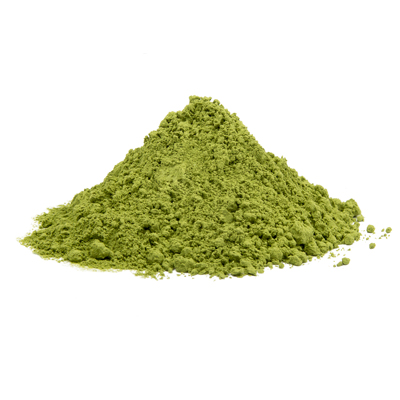

Tea packaging preview
We pack our teas in a strong, zip-lock aluminum packet which allows you to easily re-seal its contents. This container protects the quality of the tea against humidity, light or foreign odors, all of which could noticeably affect the quality of the brew.
Preparation
 70-80 °C
|
 whisk
whisk
|
 0.5 teaspoon for 100 ml
|
Instructions for preparation
Add half a teaspoon of matcha per 100ml of boiled water (70-80°C).
For best results, heat up your glass or bowl before adding matcha powder.
Whisk or stir vigorously until a thick foam forms.
Optionally, use a milk frother.


Most popular accessories for this product
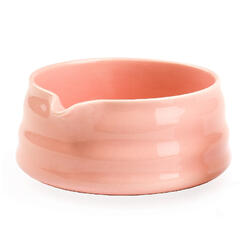
Chawan Bowl – Sakura
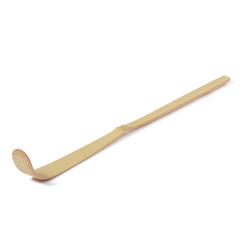
Bamboo Matcha Scoop – Chashaku
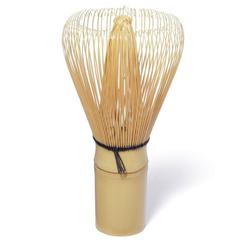
Matcha Whisk – Chasen
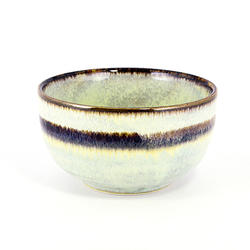
Chawan Traditional Matcha Bowl – Pastel
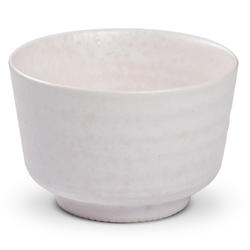
Traditional Matcha Bowl White – Chawan
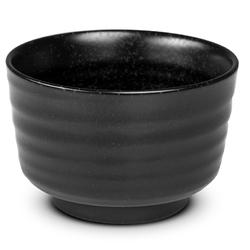
Traditional Matcha Bowl Black – Chawan
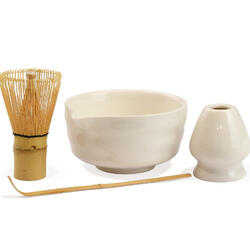
Matcha Set – Satori
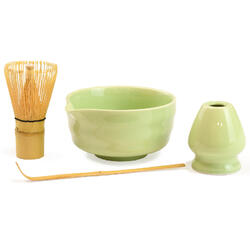
Matcha Set – Heiwa
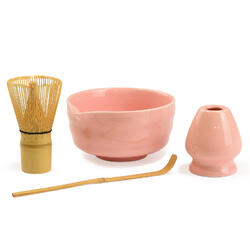
Matcha Set – Jolie
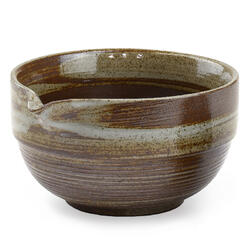
Chawan Bowl – Wabi Sabi
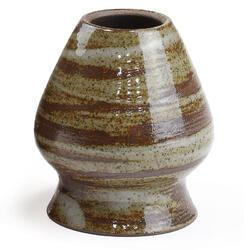
Chasen Holder – Wabi Sabi
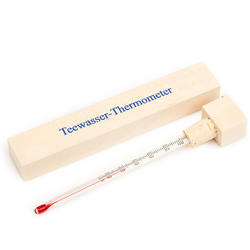
Tea Thermometer + Wooden Case
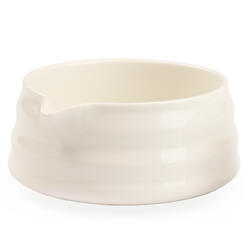
Chawan Bowl – Shiro
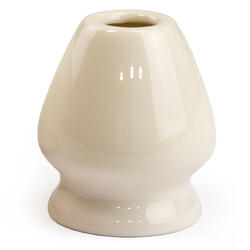
Chasen Holder – Shiro
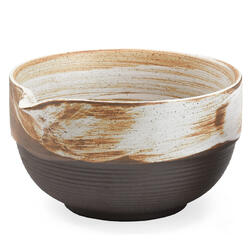
Chawan Bowl – Tsuchi
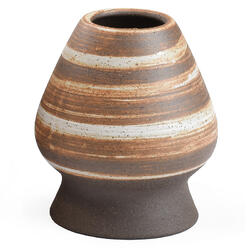
Chasen Holder – Tsuchi
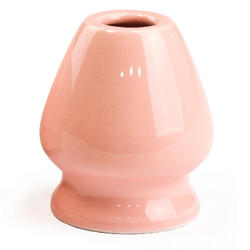
Chasen Holder – Sakura
Are you looking for inspiration? Other customers have bought this:
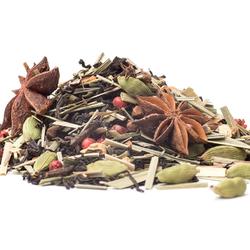
Masala Chai – Black Tea
Jasmine – Green Tea