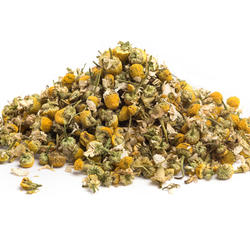
Marigold (Calendula Officinalis) – Herb


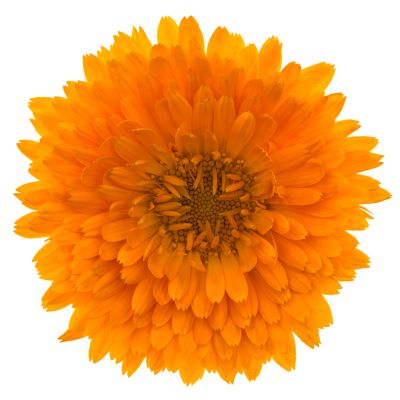
Every gardener knows the marigold. This annual plant with bright, yellow-orange flowers has been cultivated for generations not only for its looks, but also its health benefits. Marigold flowers were used as a substitute for saffron since the ancient times.
Shipping methods
| Nizozemská pošta HD - zásilkovna | Delivered by 7. 10. | 1,00 € |
|---|---|---|
 DHL DHL |
Delivered by 7. 10. | 4,90 € |


Ingredients
100 % Pot marigold flowerOrigins
In India, marigold flowers are a part of every Hindu festival, elsewhere, it's used for – for example – dyes. Across regions, it was believed to ward off evil spirits and was therefore a common part of home gardens.
This branched annual plant grows to a height of around 70cm. Its flowers are distinctive and have a beautiful yellow or orange color. It is not very demanding on soil conditions, but avoids waterlogged areas. It is probably originally native to southern Europe, but due to its popularity it has quickly spread across the temperate zone and across continents.
Marigold, in Latin Calendula officinalis, used to be called the poor man's saffron. It proved to be a good substitute for the expensive spice and became a permanent part of many recipes. It was also added to perfumes for its fragrance.
Only petals are used to make tea. These are harvested in early summer and then carefully dried at low temperatures. The decoction can then be drunk or used as a poultice, or bath. It's generally safe, but pregnant and nursing women or those taking psychopharmaceuticals should consult their doctor before using it.
Benefits of ingredients:

Herb packaging preview
We pack our herbs in a strong, zip-lock aluminum packet which allows you to easily re-seal its contents. Thanks to the hermetic seal, the herbs are protected against humidity, light and foreign odors, all of which could noticeably affect the quality of the brew and the herb itself.
Preparation
 100 °C
|
 10 minutes
|
 1 teaspoon for 150-200 ml
|
Instructions for preparation
Pour 250ml of boiled water (100°C) per 1 teaspoon of tea.
When brewing in a teapot add 1 extra teaspoon.
Covered, let steep for 10 minutes, then remove the strainer.


Are you looking for inspiration? Other customers have bought this:
Sage (Salvia Officinalis) – Herb
Nettle Leaves (Urtica Dioica) – Herb