


Lingonberry-Goji – Tea Blend


Sometimes even the biggest lover of pure teas craves a little change. And sometimes the fans of fruit infusions want to try something new, too. Both can bet on this classic in a fresh, juicy coat – we've added goji, lingonberries, pineapple, papaya and kiwi to our high-quality white and green tea leaves. The result is a fresh, pleasantly fruity blend that is slightly invigorating and highly addictive. In the best sense of the word, of course.
Shipping methods
| Nizozemská pošta HD - zásilkovna | 1,00 € | |
|---|---|---|
 DHL DHL |
4,90 € |


Ingredients
46 % White tea Pai Mu Tan, 37 % Green tea China Sencha, Natural aroma, Candied pineapple (pineapple, sugar), Candied papaya (papaya, sugar), 2 % Goji, 2 % Dried cranberries, KiwiBrew & Taste
Lingonberry-Goji tea has it all. The delicacy of white tea, the slight astringency of green tea and, of course, the sweetness and juiciness of the fruit. It's balanced enough to truly enjoy each of its ingredients while still giving you a complex and harmonious experience. You can make it both hot and iced.
Origins
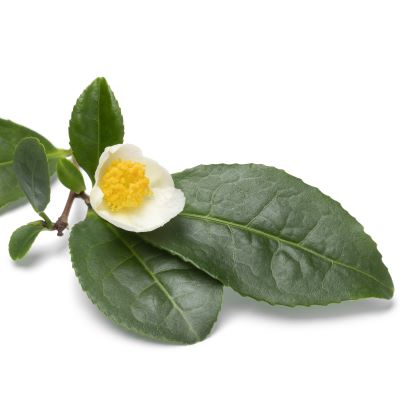
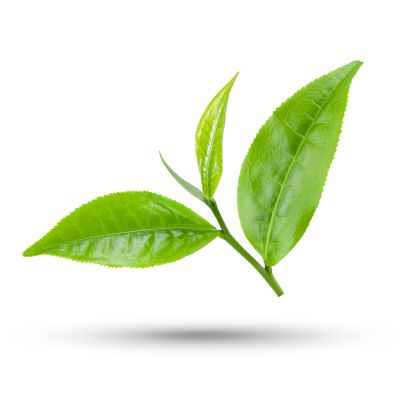
Let's start with white tea, as it is the most delicate of all the ingredients used and also very rare. Pai Mu Tan (translated as White Peony) was originally intended for the imperial court, as it was very scarce and its taste was extremely delicate. This hasn't changed at all. The almost unfermented tea leaves still hold a firm place among the uniquenesses worthy of a tea lover's attention. They are usually made from special cultivars of Chinese tea plants (Camellia sinensis), which are hand-harvested by workers during March and April. For white tea, it is mainly the buds and delicate first leaves that need to be plucked. They are left to wilt only briefly and then dried immediately, at low temperatures and over a long period of time. And that's the secret of Pai Mu Tan white tea...
In contrast, sencha undergoes a slightly more complex process in its production, which varies even more regionally. In Japan, after plucking, the leaves are allowed to wilt, then repeatedly steamed briefly and folded into thin needles. In China, instead of steaming, they use pan roasting. This gives the tea pleasant smoky undertones. Not infrequently, however, Chinese producers lean towards the Japanese method of production, which is also the case with sencha in Cranberry-Goji tea.
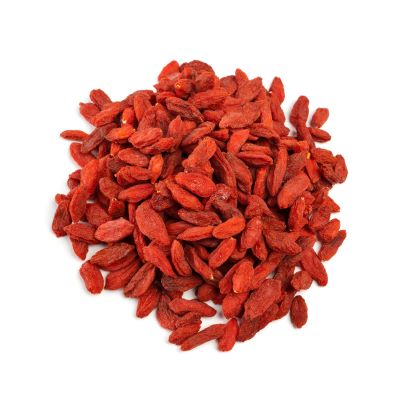
Let's stop with the base ingredients that impart the tea's main flavors – goji and lingonberries. The former is known as the fruit of the Chinese wolfberry bush (Lycium chinense). The red-orange berries of this deciduous shrub, which grows naturally in Asia but also on the Hawaiian Islands, taste slightly sour and contain a number of valuable substances (vitamin B1, B2, iron, zinc). Chinese medicine has used goji for hundreds of years, especially to support immunity, allergies or vision problems.
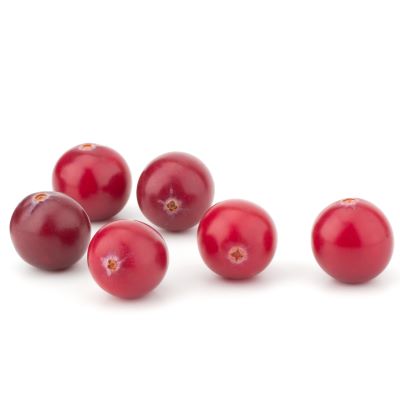
Lingonberries are the red, sour fruit of the mountain cranberry bush (Vaccinium vitis-idaea), which grows mainly in the Nordic countries. Like goji, lingonberries have been used to treat many ailments, from diarrhea to gallbladder dysfunction to diabetes. They are rich in vitamins A, E and C, and contain iron, calcium, magnesium and sodium, as well as flavonoids with antibacterial properties.
Benefits of ingredients:

Tea packaging preview
We pack our teas in a strong, zip-lock aluminum packet which allows you to easily re-seal its contents. This container protects the quality of the tea against humidity, light or foreign odors, all of which could noticeably affect the quality of the brew.
Preparation
 70-80 °C
|
 3 minutes
|
 1 teaspoon for 150-200 ml
|
Instructions for preparation
Pour 150-200ml of boiled water (70-80°C) per 1 teaspoon of tea.
When brewing in a teapot add 1 extra teaspoon.
Covered, let steep for 3 minutes, then remove the strainer.
This tea can steeped up to 3 times.


