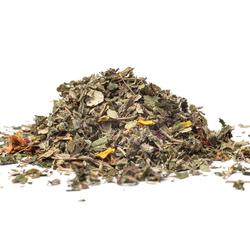
Licorice Tea – Herbal Blend


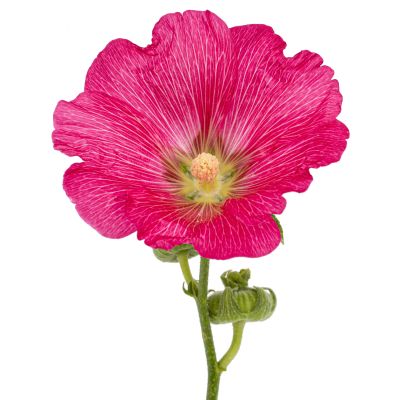
This one's a delicacy! Licorice root tea has existed since ancient Egypt. Sweetwood, as it's sometimes called, is enhanced by aniseed, star anise and mallow. If you want to make your tea parties a little extravagant and unusual from time to time, licorice tea is here at your service.
Shipping methods
| Nizozemská pošta HD - zásilkovna | Delivered by 22. 10. | 1,00 € |
|---|---|---|
 DHL DHL |
Delivered by 22. 10. | 4,90 € |


Ingredients
Anise, 26 % Liquorice root, Star anise, Mallow flowers, Natural aromaBrew & Taste
Licorice Tea has a very light infusion but a really strong, pleasant aroma and taste. You can flavor the sweet, peppery drink with a teaspoon of honey.
Origins
Licorice is naturally found in the Mediterranean, but it can also grow in central Europe, where it has been cultivated since about the 16th century. It is often made into candy, but it's also used in tobacco and other industries.
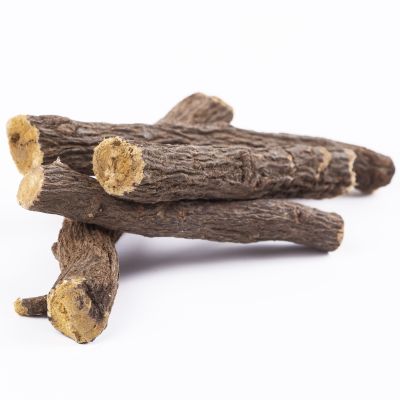
The roots of this herb from the bean family are long and straight. Licorice grows 1-1.5m, blooms with light purple bunches and produces pods after flowering. The important parts are the roots. Growers or folk healers collect them in autumn and then dry them. Chemical analyses have shown that licorice root contains saponins, glycosides, estrogenic substances, coumarins, flavonoids, and other compounds.
In ancient Egypt, they boiled it in milk with sugar, chufa, and pepper. Such a drink was then used as an aphrodisiac. Aniseed is at home, like liquorice, in the Mediterranean. The green-grey fruits with an aromatic scent are harvested from the annual herb in August or September. Dried, they have a variety of uses. In medieval times, it was even believed to help those with plague and improve mood.
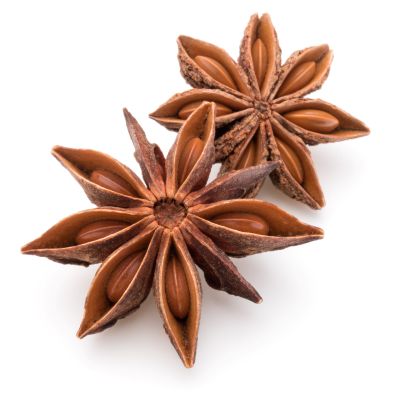
Star anise is sometimes called Chinese anise. Despite the similar name to aniseed, the two herbs don't look even remotely similar. However, their effects and taste are almost identical. Star anise is known to have been used in Chinese medicine as far back as 3,000 years ago. It was only introduced to Europe in the 17th century. Star anise contains the rare essential oil anethole.
Caution: Small children, pregnant women and those suffering from high blood pressure should avoid excessive consumption of Licorice Tea.
Benefits of ingredients:

Tea packaging preview
We pack our teas in a strong, zip-lock aluminum packet which allows you to easily re-seal its contents. This container protects the quality of the tea against humidity, light or foreign odors, all of which could noticeably affect the quality of the brew.
Preparation
 100 °C
|
 5-10 minutes
|
 1.5 to 2 teaspoons per 200-250 ml
|
Instructions for preparation
Pour 200-250ml of boiled water (100°C) per 1.5-2 teaspoons of tea.
When brewing in a teapot add 1 extra teaspoon.
Covered, let steep for 5-10 minutes, then remove the strainer.


| Energy value: | 4 kJ / 2 kcal |
| Fats: | 0.1 g |
| of which saturated: | 0.1 g |
| Carbohydrates: | 0.1 g |
| of which sugars: | 0.1 g |
| Proteins: | 0.1 g |
| Salt: | 0.01 g |
Are you looking for inspiration? Other customers have bought this:
Touareg – Green Tea
Tulsi-Lemongrass – Herbal Tea