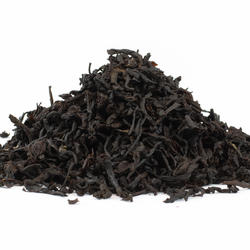
Jiaogulan Leaves (Gynostemma Pentaphyllum) – Herb


Although it is called "false ginseng", the real thing can't compare. Jiaogulan is an extremely popular herb, both in its place of origin and in the world. It was the Chinese people who discovered its effects are comparable to those of true ginseng. But unlike the latter, it's more affordable and grown in larger quantities. Jiaogulan leaves are a source of amino acids, vitamins and minerals that give its devotees vitality and well-being.
Shipping methods
| Nizozemská pošta HD - zásilkovna | Delivered by 15. 10. | 1,00 € |
|---|---|---|
 DHL DHL |
Delivered by 15. 10. | 4,90 € |


Ingredients
100 % GinsengBrew & Taste
Jiaogulan tastes very mild, sweet and slightly grassy. The drink is pale yellow and very pleasant.
Origins
The dried leaves of jiaogulan (Gynostemma pentaphyllum) were first widely used by people in China. It was there that the climbing herb originally grew. Botanists place it in the gourd family (with the loofah, cucumber or gourd). It is a plant that can survive very low temperatures, which are not uncommon in the mountainous regions of southern China, Japan or Thailand. There, it has an excellent reputation and is one of the most widely used herbs. Jiaogulan is certainly not to be overlooked. It grows up to 150cm, has very distinctive green, toothed leaves and blooms with white flowers.
The leaves of this popular herb are usually harvested whole, but farmers remove most of the stems. The material is finely cut and dried under very strict conditions. The result is tiny green curls, as in the case of this tea. Another processing option is to roll the leaves into small balls.
Regular and long-term sipping of jiaogulan tea brings positive effects in many ways. It can also become a pleasant ritual in stressful times. Like green teas, jiaogulan can be prepared in many ways. The classic way is by pouring hot water over the leaves, making a second infusion, cooling the infusion in the refrigerator or using the Kung Fu Cha method.
Herb packaging preview
We pack our herbs in a strong, zip-lock aluminum packet which allows you to easily re-seal its contents. Thanks to the hermetic seal, the herbs are protected against humidity, light and foreign odors, all of which could noticeably affect the quality of the brew and the herb itself.
Preparation
 90 °C
90 °C
|
 3-5 minutes
|
 1 teaspoon for 250 ml
|
Instructions for preparation
Pour 250ml of boiled water (90°C) per 1 teaspoon of tea.
When brewing in a teapot add 1 extra teaspoon.
Covered, let steep for 3-5 minutes, then remove the strainer.


Are you looking for inspiration? Other customers have bought this:
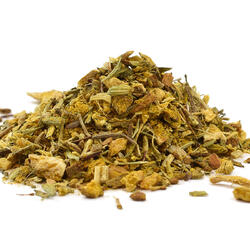
Manuhan – Ayurvedic Herbal Tea
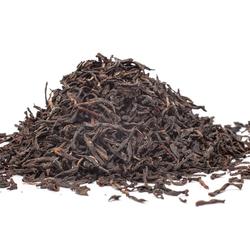
Assam TGFOP1 – Black Tea