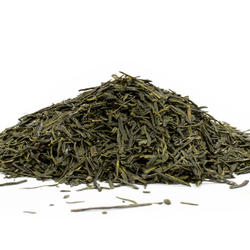
Japan Kabuse Sencha Asamushi – Organic Green Tea


This is something special! A rare Japanese tea that will delight you with its sweetness, delicacy and a light trace of nuts in the finish. Asamushi teas gain their delicacy and specific flavor as they're steeped very briefly while still on the plantation. Taste the harvest of the organic Kyushu Island farm. This tea can be prepared hot or cold, each variation it will be wonderful in a different way.
Shipping methods
| Nizozemská pošta HD - zásilkovna | Delivered by 15. 10. | 1,00 € |
|---|---|---|
 DHL DHL |
Delivered by 15. 10. | 4,90 € |


Ingredients
100 % Green tea Japan Kabuse Sencha Asamushi BIOBrew & Taste
Japan Kabusencha Asamushi organic tea gives a light, green to greenish-yellow infusion. The infusion smells very fresh and tastes slightly grassy, but at the same time light and sweet. The very rich aroma is enhanced by notes of roasted nuts.
You can prepare this tea hot or make it with cold water and let it slowly infuse in the fridge.
Origins

Japanese green tea has a long, rich, written history. After all, they've been drinking it there since the 9th century, and most of the plantations there focus on tea. Unlike green teas from other parts of the world, the Japanese one has a distinctive flavor profile – tea drinkers describe it as vegetal, with green tones moving towards seaweed aromas. This is also why many varieties are recommended to be steeped at very low temperatures. They can release floral, fresh and slightly spicy flavor nuances. This is exactly the case with Japan Kabusencha Asamushi. To enjoy all its faces, definitely don't be afraid to experiment with preparation. This way, you will make the most of the potential hidden in this tea. Where does its uniqueness come from? We'll tell you.
Japan Kabusencha Asamushi was cultivated under organic farming. This in itself is a guarantee of exceptional quality. The plantations are located on the island of Kyushu, at an altitude of around 500m. They are surrounded by forests which provide a special microclimate. They keep the tea plants in mist and shade almost without interruption. As a result, their leaves grow slowly and accumulate L-theanine, which is responsible for the resulting sweetness of the drink.
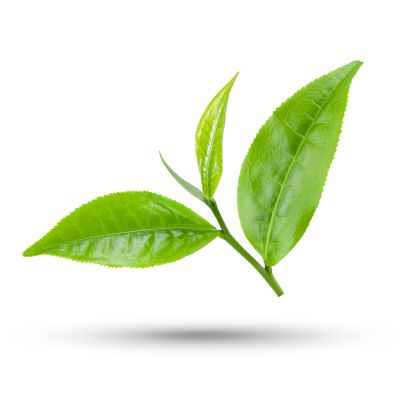
But Japanese farmers don't just rely on natural shade. 2-3 weeks before harvest, they cover Chinese tea trees (Camellia sinensis) with special kabuse mats. The word kabusecha in the name of this tea refers to their use. The second 'mystery word' describes the way in which the tea leaves were handled after picking. It is a step in which the tea is lightly and briefly steamed right on the plantation. This stops the natural oxidation processes and preserves the maximum aromatic compounds. Experts distinguish between asamushi (contact with the steam lasts 30-40 seconds), chuumushi (contact with the steam lasts 40-60 seconds) and fukamushi (contact lasts 60-180 seconds).
In order to complete the list of circumstances that contribute to the quality of this tea, we must also add the care of Japanese farmers and tea processors. Managing the plantations in organic mode without the use of fertilizers requires a sensitivity to the whole natural ecosystem and a desire to continually develop their knowledge and skills. You can prepare organic Japan Kabusencha Asamushi in two ways. For traditional preparation, use 5g of tea per 250ml of water. Boil water, let it cool to 70°C and steep the tea for 30-60 seconds.
You can also try cold brewing. Just pour 10g of tea leaves over 1l of fresh, cold water and leave at room temperature or in the fridge for a few hours.
Benefits of ingredients:

Tea packaging preview
We pack our teas in a strong, zip-lock aluminum packet which allows you to easily re-seal its contents. This container protects the quality of the tea against humidity, light or foreign odors, all of which could noticeably affect the quality of the brew.
Preparation
 70-80 °C
|
 1-2 minutes
|
 5g per 250 ml
|
Instructions for preparation
Pour 250ml of boiled water (70°C) per 5g of tea.
Steep for 30-60 seconds.


Are you looking for inspiration? Other customers have bought this:
Japan Bancha Premium – Green Tea
Organic Sencha (Japan Style) – Green Tea