Why our products?
- Free shipping on orders over 49 €
- Satisfied customers
- Delivery date is specified within the product description
Benefits of Thymus
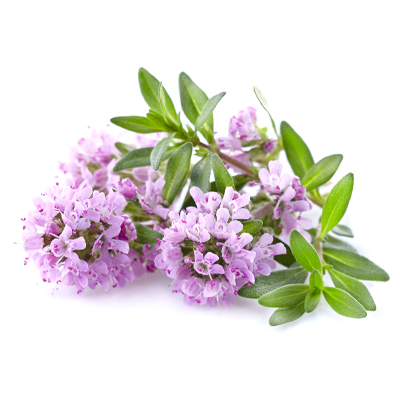
An herb does not have to have an exotic name or a pompous appearance to attract attention. A perfect example of this is the thymus. The carpet of purple flowers may be pleasing to the eye, but the main thing is inside.
The narrow-leaved daisy is a 30 centimetres tall evergreen semi-shrub at most. If it has room, it grows creepingly wide. It is a typical European herb, but can also be found in some areas of the American and African continents. It prefers sunny, drier sites such as meadows, borders and woodland edges. However, it is also a popular ornamental feature in many gardens because of its charm.
In Latin, it is called Thymus serpyllum. Thymus gets its name from the Greek words for incense and bravery. Thymus sprigs were lit to ward off evil spirits and disease. The flowers and leaves have a distinctive but pleasant scent, as does its subspecies, thyme. It should be harvested just before or after flowering to retain as many of its beneficial substances as possible. Then, it should be dried slowly at low temperatures. Traditional processing methods include the preparation of a tincture, essential oil or decoction. The infusion can be consumed, but it can also be made into poultices or relaxing baths.
Long-term excessive use of milk thistle may cause exacerbation of thyroid disorders. However, no other side effects are known. Nevertheless, pregnant and breastfeeding women should not drink its infusion without first consulting a doctor, as is the case with most herbs.
Approved health effects:
- Normal digestion
- Normal function of the respiratory system
- Normal function of the urinary system
- Breastfeeding
- Antioxidant
- Natural defences - immune system
- Normal function of the gastrointestinal tract
- Normal function of the intestinal tract