Why our products?
- Free shipping on orders over 49 €
- Satisfied customers
- Delivery date is specified within the product description
Benefits of apricot
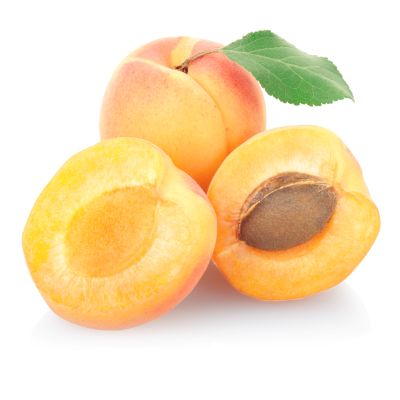
That apricots only belong in compote and dumplings? That would be grossly unfair to them. After all, these orange, sweet fruits are a ready reservoir of beneficial substances, and summer would not be the same without them.
Apricots are the fruit of the tree of the same name. It was grown wild in China, where it was discovered by the Persians. Subsequently, it came to Europe via Armenia (hence the Latin name Prunus Armeniaca). Apricot cultivation is mentioned in Indian sources dating back 3,000 years, and it was demonstrably known in ancient Greece and Rome. In recent years, the biggest producers have been the USA, Uzbekistan, Turkey and Italy. Apricots are very susceptible to the weather. They prefer a sunny, and warm environment, but spring frosts can be very damaging. In the Czech Republic, they thrive in southern Moravia.
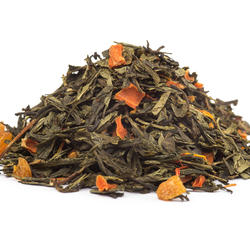
The fruit has a soft, slightly fuzzy skin which does not need to be peeled. The yellow flesh hides a large seed, which contains the core. The sweet kernels (as opposed to the bitter ones) are edible, and many people eat them instead of almonds or sunflower seeds. Indeed, the uses of apricots are wide-ranging. They are eaten raw and used in desserts, marmalades, compotes and traditional alcohol. They are available in dried form on the shelves of health food stores. They can also be added to tea blends which have a pleasantly sweet, sour and refreshing taste.