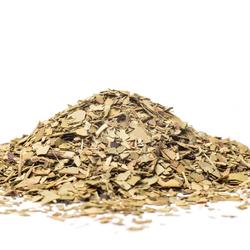
Healthy Liver – Herbal Tea 380g


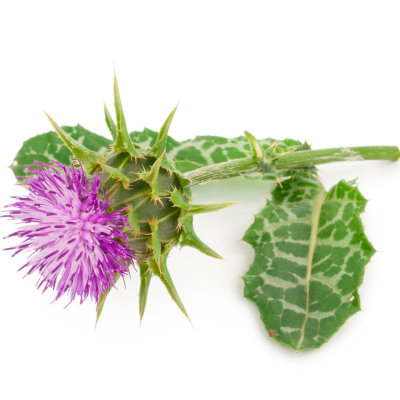
Some just call it thistle and avoid it on their walks. But it shouldn't escape your attention! Its fruits were recommended by the ancient Greek physician Disocorides and the Roman healer Pliny. Not enough for you? Ask any herbalist. Milk thistle certainly occupies a prominent position in their collection.
Shipping methods
| Nizozemská pošta HD - zásilkovna | Delivered by 22. 10. | 1,00 € |
|---|---|---|
 DHL DHL |
Delivered by 22. 10. | 4,90 € |
Ingredients
100 % Silybum fruitBrew & Taste
Probably because milk thistle is a herb that is distinctive in its effects, it does not need to be distinctive in taste or color. When you cover the crushed fruit with water, you get an almost white, slightly cloudy liquid. The flavor is very subtle, almost nonexistent.
Origins
The plant with the botanical name Silybum marianum is found naturally in the Mediterranean, the Canary Islands and partly in Asia. It is also native to central Europe. Therefore, thistle can also be seen in sunny and local windswept forests. It grows up to 2m. It is an annual or biennial herb with spiny, toothed leaves, dark red to purple flowers, the fruits of which are brown and hard-skinned, less than a 1cm long. It is these that are used in folk medicine and for the preparation of extracts for the pharmaceutical industry.
Only the ripest seeds are collected in late summer. They are dried and used to make oils, tablets, tinctures and tea.
The use of thistle has been known for more than 2,000 years. The ancient Greek physician Disocorides recommended its use, as did the Roman natural healer Pliny.
Find out more about this tea here.
Benefits of ingredients:

Instructions for preparation
Pour 150-200ml of boiled water (40°C) per 1 teaspoon of crushed fruit.
When brewing in a teapot add 1 extra teaspoon.
Steep for 6 minutes and strain.

| Energy value: | 1254 kJ / 298 kcal |
| Fats: | 10 g |
| of which saturated: | 2 g |
| Carbohydrates: | 3 g |
| of which sugars: | 0,1 g |
| Fibre: | 49 g |
| Salt: | 0,02 g |
Are you looking for inspiration? Other customers have bought this:
Silky Raspberries – Fruit Tea
Golden Nepal FTGFOP1 Second Flush – Black Tea