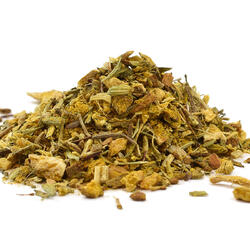
Goldenrod (Solidago virgaurea) – Herb


This tall herb with distinctive golden flowers attracts the attention of more than just the casual passer-by. Herbalists know the wonders of goldenrod tea and use it to support the normal function of the urinary tract.
Shipping methods
| Nizozemská pošta HD - zásilkovna | Delivered by 22. 10. | 1,00 € |
|---|---|---|
 DHL DHL |
Delivered by 22. 10. | 4,90 € |


Ingredients
100 % SolidagoBrew & Taste
Goldenrod tea has an amber color and a spicy aroma reminiscent of citrus. The taste is earthy and herbal with a rather bitter finish.
Origins
Here's a riddle: what does goldenrod, Thomas Edison and Henry Ford have in common? No, this isn't the beginning of a joke. In 1920, Henry Ford asked Thomas Edison to find an available source of rubber to make tyres for the famous Model T. And the goldenrod was the obvious, if ultimately unrealized, choice.
It grows in the wild across almost the entire temperate zone of the northern hemisphere. In Europe, you'll most often find the species Solidago virgaurea. Others (mainly those from North America) can also grow here, but they're more of a weed.
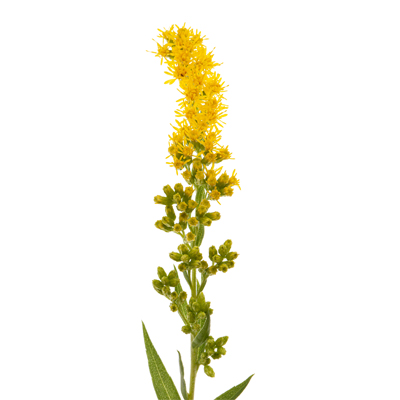
Goldenrod gets its name from the flood of tiny golden flowers that cover it during late summer. The plant grows up to 1m and can be found in a variety of places – from meadows to stony mounds to mountainous pastures.
Essentially the entire aerial part of the plant is harvested, with the leaves and flowers sometimes added to various dishes. In addition, the bees can make really good honey from the flowers – dark and distinctive. However, it is the inflorescence that is most often used for the preparation of infusions and tinctures. Its taste can be reminiscent of licorice or fennel. The resulting infusion is not only drinkable, but can also be used externally as a poultice.
Consumption should be moderate and should not exceed two consecutive months. After that, it is best to take a few weeks off. Pregnant and nursing women should avoid goldenrod. People with heart and kidney disease should consult their doctor beforehand.
Benefits of ingredients:

Herb packaging preview
We pack our herbs in a strong, zip-lock aluminum packet which allows you to easily re-seal its contents. Thanks to the hermetic seal, the herbs are protected against humidity, light and foreign odors, all of which could noticeably affect the quality of the brew and the herb itself.
Preparation
 100 °C
|
 15 minutes
|
 1 teaspoon for 250 ml
|
Instructions for preparation
Pour 250ml of boiled water (100°C) per 1 teaspoon of tea.
When brewing in a teapot add 1 extra teaspoon.
Covered, let steep for 15 minutes, then remove the strainer.


Are you looking for inspiration? Other customers have bought this: