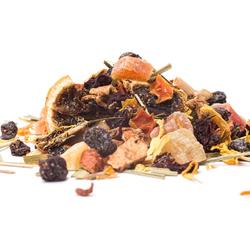
Goji, Lemon & Raspberry – Fruit Infusion


Fruit tea with a slightly different look. Quince, coconut, goji, you'll want to enjoy this exotic treat from breakfast to dinner. It will appeal to children and experienced tea drinkers alike, it's caffeine-free and blended with the finest ingredients. All have been grown, harvested and processed to preserve the maximum aromas, flavors and vitamins. So enjoy the goji, lemon and raspberry fruit blend. Hot in winter, iced in summer.
Shipping methods
| Nizozemská pošta HD - zásilkovna | Delivered by 22. 10. | 1,00 € |
|---|---|---|
 DHL DHL |
Delivered by 22. 10. | 4,90 € |


Ingredients
Roasted apples, Coconut chips (coconut, sugar), Apple chunks, Lemongrass, Hibiscus, Lemon peel, 2 % Raspberries, 2 % Goji, Cornflower, Natural aromaBrew & Taste
Goji, lemon and raspberry fruit blend gives a beautiful red infusion that smells like raspberries and coconut. The flavor of course reflects the pleasant sweetness of apples and quince, the freshness of the tea is enhanced by hibiscus, and coconut chips provide an attractive finish.
Origins
Fans of traditional Chinese medicine would praise us. We have blended a tea mixture containing one of the beneficial berries – goji. These red berries come from the Chinese boxthorn (Lycium chinense). The relatively undemanding plant, which reaches 1-3m, can be seen in China, Japan and Korea, but has recently been found in European gardens. As we mentioned, it is mainly grown for its fruit, but connoisseurs also use the leaves, bark and roots of the boxthorn. Goji, often referred to as the fruit of happiness, contains amino acids, trace elements such iron, calcium, copper or zinc, B vitamins and beta-carotene.
Quince is not exactly a common fruit. Gardeners and fruit growers it more of a subspecies of pear trees. The quince (Cydonia oblonga) is a popular fruit, which is processed into jams and jellies, especially in the Mediterranean and Central Asia, and is also used to make the alcoholic beverage called rakia. The yellow fruits resemble pears or apples. They are particularly rich in vitamin C and B vitamins, and contain zinc, potassium, calcium and iron.
The third ingredient that has "signed" under the name of this tea (and is immediately noticeable when you taste it) is coconut. The white flesh of the coconut fruit is a rich source of potassium, vitamin B and vitamin C. The coconut tree (Cocos nucifera) has been cultivated by humans for more than 3,000 years. They can grow up to 30m and can be found in the tropics, around large rivers and seas.
Benefits of ingredients:


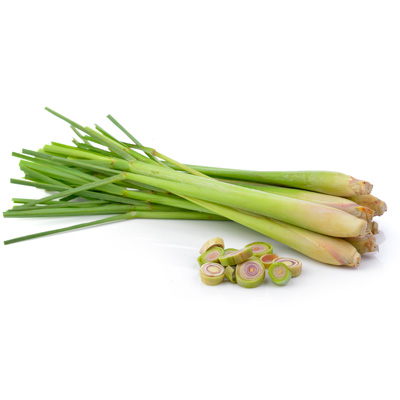
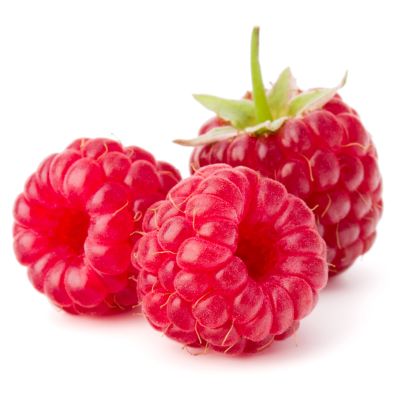
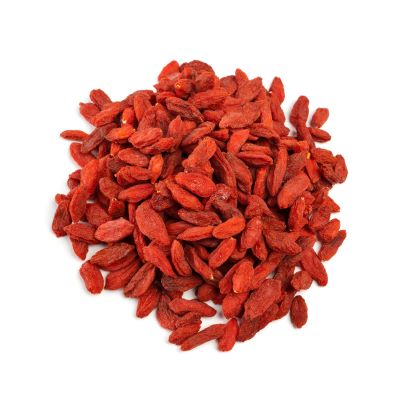
Tea packaging preview
We pack our teas in a strong, zip-lock aluminum packet which allows you to easily re-seal its contents. This container protects the quality of the tea against humidity, light or foreign odors, all of which could noticeably affect the quality of the brew.
Preparation
 100 °C
|
 10 minutes
|
 1 teaspoon for 150-200 ml
|
Instructions for preparation
Pour 150-200ml of boiled water (100°C) per 1 teaspoon of tea.
When brewing in a teapot add 1 extra teaspoon.
Covered, let steep for 10 minutes, then remove the strainer.


| Energy value: | 10 kJ / 2 kcal |
| Fats: | 0.1 g |
| of which saturated: | 0.1 g |
| Carbohydrates: | 0.5 g |
| of which sugars: | 0.3 g |
| Proteins: | 0.1 g |
| Salt: | 0.01 g |
Are you looking for inspiration? Other customers have bought this:
Peach-Apricot Magic – Fruit Infusion
Lingonberry-Sea Buckthorn – Fruit Infusion