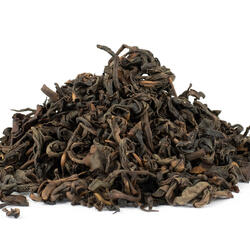
Georgian Kolkhida – Black Tea


A pleasant company for the entire day – that's the traditional Georgian black tea called Kolkhida. Special tea leaves from a unique place on the border of Europe and Asia will enchant you with their delicate yet persistent taste with malty, spicy and lemony aromas. Farmers plant tea plants under the flowering paulownia trees, known as empress trees, which create the ideal microclimate and provide shade.
Shipping methods
| Nizozemská pošta HD - zásilkovna | Delivered by 9. 10. | 1,00 € |
|---|---|---|
 DHL DHL |
Delivered by 9. 10. | 4,90 € |


Ingredients
100 % Black tea KolkhidaBrew & Taste
The Georgian black tea Kolkhida has a pure, almost heavy taste. It is sweet, slightly spicy and lemon-scented. Its aftertaste is one of the long ones, so it is easy to remember. There is also a slight trace of camphor in the background of all the flavors it offers. It gives the drink a subtle peppery effect. The infusion is amber with beautiful reflections and a spicy, malty aroma.
Origins

Mountains, wine, tea and hospitable people. This is how some enthusiastic tourists describe Georgia (Sakartvelo in Georgian). The country on the Black Sea coast was once the world's 4th largest tea grower. Georgian tea was available in every household in the former Soviet Union. When the USSR disappeared, Georgia's tea industry (and more) collapsed. Today, farmers are trying to revive it. They are growing Chinese tea plants (Camellia sinensis) organically, preferring smaller plantations and manual production.
They consider quality to be more important than quantity. The Guria region of Georgia, from which this tea originates, lies in the western part of the country. Its name is said to mean ''land of the restless'', a reference to the dramatic events of the 8th and 9th centuries. However, it is also possible that it comes from the word ''Guri'', which is the local dialect for the heart. Either way, Guria is an area with a very long history. Today it is famous for its Nabeglavi mineral water and magnetic sand and is dominated by tourism and agriculture – especially tea cultivation.
It is good to know that Georgian tea has been influenced by both Chinese and Russian practices. Moreover, its production was based on English technology. Originally, Georgian tea was called ''the tea of the Russian emperors''. After the year 2000, farmers began to cultivate and produce tea again. Some went to Fujian, China, to gain knowledge and experience, and in 2018, 25 farmers enrolled to study the field of Supporting the Development of the Tea Industry in Georgia.
Georgian Kolkhida black tea is made from the leaves of Camellia sinensis Kolkhida tea plants, which are cold-resistant and one of the elite cultivars with high potential in terms of further breeding. Kolkhida Tea bears the name of the Colchis Plain, where these tea plants originate. It is a locality with an altitude of 330-500m, and historically citrus and tea trees were grown there. The humid lowlands and low temperatures of the Colchis region allow the tea plants to grow slowly and evenly. They are protected from the wind by Paulownia tomentosa trees, known as empress trees.
Benefits of ingredients:
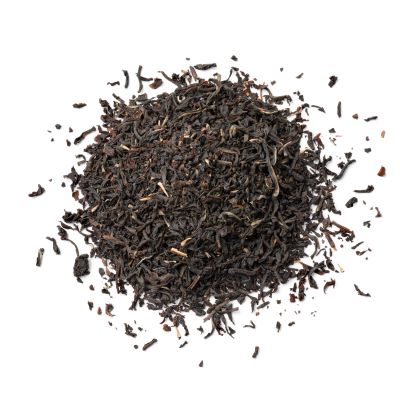

Tea packaging preview
We pack our teas in a strong, zip-lock aluminum packet which allows you to easily re-seal its contents. This container protects the quality of the tea against humidity, light or foreign odors, all of which could noticeably affect the quality of the brew.
Preparation
 95 °C
95 °C
|
 5 minutes
|
 1 teaspoon for 150-200 ml
|
Instructions for preparation
Pour 150-200ml of boiled water (95°C) per 1 teaspoon of tea.
When brewing in a teapot add 1 extra teaspoon.
Covered, let steep for 5 minutes, then remove the strainer.


Are you looking for inspiration? Other customers have bought this:
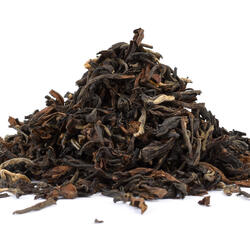
Golden Nepal FTGFOP1 Second Flush – Black Tea
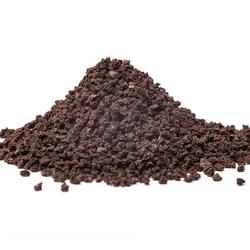
Assam Hatimara CTC BOP – Black Tea