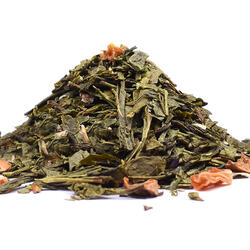
Fresh Goji – Green Tea


The combination of high-quality green tea and herbs or fruit can create a harmonious, uplifting and energizing drink. This is exactly the case with Fresh Goji tea. We've blended it with the popular gunpowder, traditional sencha and the equally popular berries of goji. It's a tea for all-day sipping, perfect during work or in a thermos for the mountains. Sip it hot, lukewarm, or iced. You'll always enjoy it.
Shipping methods
| Nizozemská pošta HD - zásilkovna | Delivered by 22. 10. | 1,00 € |
|---|---|---|
 DHL DHL |
Delivered by 22. 10. | 4,90 € |


Ingredients
Green tea China Gunpowder, Green tea Sencha, 8 % Goji, Lemongrass, Pomegranate flowers, Natural aromaBrew & Taste
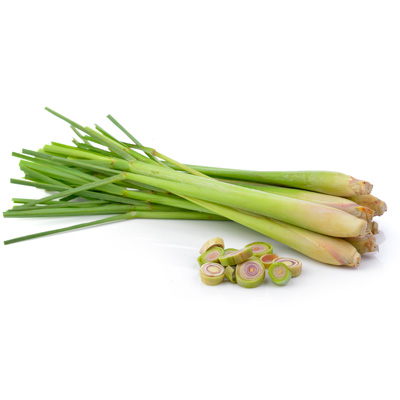
Fresh Goji green tea is characterized by the typical taste of green teas, which is complemented by the sweet and sour trace of goji berries and the delicate freshness of lemongrass. The freshness is almost absent, but the tea does not lack rich fruity notes. The infusion is yellow-orange in color and smells of fresh green tea.
Origins
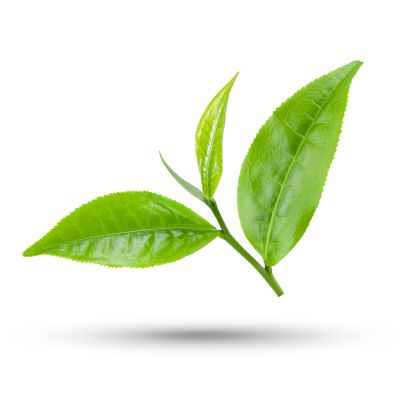
The two green teas we have used in this case come from China. It was there that the story of tea began, supposedly in 2737 BC. Tea containers found by archaeologists in Han Dynasty tombs show that the drink was quite demonstrably enjoyed by people between 206 BC and 220 AD.
One of the oldest ways of preparing tea leaves in China is by rolling. An example is gunpowder (Zhu cha), a tea that looks like tiny balls of gunpowder. Its largest producer is Zhejiang province, where tea plantations are usually tended by smallholders. The tea leaves are left to wilt briefly after harvesting, then roasted in large pans and rolled. Finally, the tea needs to be dried, sorted and packed. Gunpowder is characterized by a bittersweet flavor with a slight trace of smoke.
Sencha, unlike gunpowder, is more of a Japanese tea, but due to high demads, China has taken on part of the production. Nevertheless, its quality is still excellent, as you can see in Fresh Goji tea. The tea is not roasted on pans (which is usual with Chinese varieties), but repeatedly steamed to stop the fermentation. Then the workers translate, dry and sort the leaves. Sencha, like gunpowder, is easy to recognize – it smells and tastes fresh and grassy, and its appearance resembles flat needles.
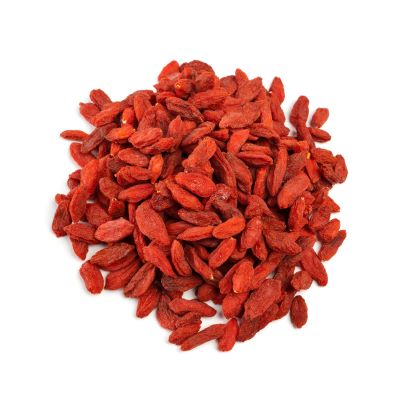
Now all that remains to be added is a description of goji, the fruit of Lycium chinese plant. They are said to be a superfood and a source of many antioxidants due to their high nutritional value. The orange berries contain mainly vitamin B2, vitamin C and iron (all 100% of the recommended daily dose!), but also potassium, zinc and calcium, fatty acids, carotenoids and linoleic acid. They taste sweet and sour, so they can be eaten raw, but are often added to drinks, porridges or desserts.
Benefits of ingredients:

Tea packaging preview
We pack our teas in a strong, zip-lock aluminum packet which allows you to easily re-seal its contents. This container protects the quality of the tea against humidity, light or foreign odors, all of which could noticeably affect the quality of the brew.
Preparation
 70-80 °C
|
 2-3 minutes
|
 1 teaspoon for 150-200 ml
|
Instructions for preparation
Pour 150-200ml of boiled water (70-80°C) per 1 teaspoon of tea.
When brewing in a teapot add 1 extra teaspoon.
Covered, let steep for 2-3 minutes, then remove the strainer.


Are you looking for inspiration? Other customers have bought this:
Lingonberry-Strawberry Sencha – Green Tea
Strawberry-Vanilla – Green Tea