


DARJEELING SFTGFOPI TEESTA VALLEY FIRST FLUSH / 2022

It had only travelled for a short time and from such a distance. We had the Black Darjeeling SFTGFOP1 FF Teesta Valley shipped by plane to preserve as much of its exquisite aroma and flavour as possible. It is the freshness that is so attractive about the first spring teas from Darjeeling. This one will delight you with its honeyedness, purity and balance. Grown beneath the ever-snow-covered Himalayas, where villages are framed by colourful prayer flags and family is everything. Tea grown there is particularly delicate and incredibly fine.
Shipping methods
| Nizozemská pošta HD - zásilkovna | 1,00 € | |
|---|---|---|
 DHL DHL |
4,90 € |


Ingredients
100 % Black tea Darjeeling SFTGFOP1 FF Teesta ValleyInfusion and flavour of the tea
The infusion from the first harvest is light amber and elegantly aromatic. Its aroma is sweet to honey-like. The tea lacks harshness or astringency. The taste is fresh, smooth, clean and balanced. A long, pleasant aftertaste with a spicy note leaves a sweet impression.
Origin of the tea

First Flush teas tends to be in huge demand globally. Especially when they come from Darjeeling, a tea region famous for its unique natural conditions and therefore, unique teas. Certainly, altitude, humidity, length of sunshine and the surrounding nature have a major influence on the taste of the tea leaves. Plus you have to add the skill of the local farmers and workers who have been tending the crop for generations.
Exactly when the spring harvest will kick off the full tea season is a matter of the right weather. Usually, this happens between February and April. However, a long winter or other unfavourable circumstances can delay the first harvest. That is what happened with the Darjeeling SFTGFOP1 FF Teesta Valley, so we are introducing the 2022 vintage now.
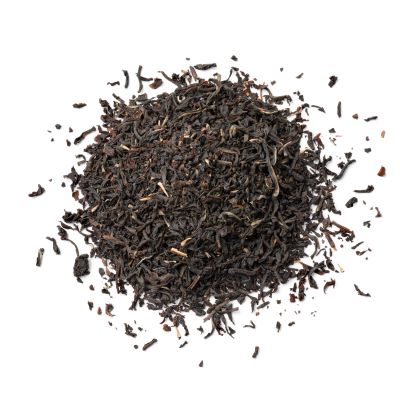
The tea garden we brought this tea from takes its name from the mountainous, 470-kilometre-long Teesta River. The carefully selected Chinese tea bushes were planted over 15 years - starting in 1841. They grow at an altitude of 1981 metres above sea level, which is characterised by cold weather and frequent fog. The tea leaves need a longer time to grow, during which they absorb more sunlight. This gives them a fresh green to grey-green colour. The leaf is sturdy with many silvery tips.
After harvesting, which is done by local women and girls in the early morning, the tea is left to wilt and ferment briefly before being gently dried by the farmers. The result is unbroken and unformed foxes with a pleasant aroma. In the case of Darjeeling SFTGFOPI Std Teesta Valley, it is a tea harvested in autumn, after the rainy season. It brings out its zesty notes and fuller body, as well as the darker colour of the infusion.
Once the tea is processed, sorted and packed, it goes immediately to the airport and to its customers, who book it with individual gardens months or even years in advance.
There are 90 tea gardens in the hills of Darjeeling today. They produce more than 9 million kilograms of tea annually and employ about half of all residents. The West Bengal Government oversees the quality and control of the teas. All tea gardens are leased to farmers for 30 years.
The abbreviation SFTGFOP (Special Fine Tippy Golden Flowery Orange Pekoe) in the name of this tea refers to the high quality derived from the tips and whole leaf content.
Benefits of ingredients:

Tea packaging preview
We pack our teas in a strong, zip-lock aluminum packet which allows you to easily re-seal its contents. This container protects the quality of the tea against humidity, light or foreign odors, all of which could noticeably affect the quality of the brew.
Preparation
 80-95°C
|
 2-3 minutes
|
 1 to 1.5 teaspoons for 150-200 ml
|
Instructions for preparation
- Pour on water (80-95 °C), in the ratio of 1 teaspoon per 150-200 ml.
- To prepare the tea in a teapot, add 1 extra teaspoon.
- Steep for 2-3 minutes (with the cup covered), then strain.


