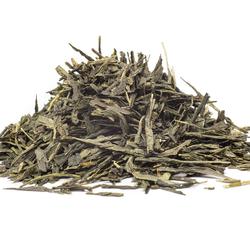
China Gunpowder Golden Temple – Green Tea


A riddle: The smaller it is, the better it is. Whoever drinks it lives for a long time. It brings you explosive strength. Did you guess? Gunpowder from eastern China's Zhejiang has so many great qualities we can't fit them in a few lines. Read about them below and try them yourself... they will fill your soul with joy and rid your body of ailments.
Shipping methods
| Nizozemská pošta HD - zásilkovna | Delivered by 15. 10. | 1,00 € |
|---|---|---|
 DHL DHL |
Delivered by 15. 10. | 4,90 € |


Ingredients
100 % Green tea China GUNPOWDER GOLDEN TEMPLEBrew & Taste
Gunpowder is characterized by a greenish-yellow infusion with a rich but delicate taste. Although its astringency is at its peak, it is not a bad thing. On the contrary, it adds a freshness to the tea.
Origins

This unique green tea is one of the popular and sought-after delicacies. Tea leaves neatly rolled into tiny pearls have been used since the Tang Dynasty (618-907) under the name Zhu Cha. It was only over time that this green tea acquired the nickname gunpowder. It probably came about by mistake, since its appearance resembles a gunpowder bead.
China's Zhejiang (or Chekiang) province, which is home to gunpowder, lies on the eastern coast. Most of its area is covered by hills. Zhejiang has a humid subtropical climate with distinct four seasons.
Summers (June-September) are long, hot and rainy. Winters are short, autumn tends to be dry and sunny. The average annual temperature varies between 15-19°C. These conditions suit the Chinese tea plant (Camellia sinesis), which covers a large part of the mountain slopes. The tea gardens are the wealth of the local farmers and the care of the bushes and the process of making tea is handed down from generation to generation.
After harvesting, the tea leaves and buds are left to wilt and then hand packed into tiny balls. The leaves are then roasted on large pans and dried at the same time. This is why gunpowder has an original smoky aroma.
Benefits of ingredients:

Tea packaging preview
We pack our teas in a strong, zip-lock aluminum packet which allows you to easily re-seal its contents. This container protects the quality of the tea against humidity, light or foreign odors, all of which could noticeably affect the quality of the brew.
Preparation
 70-80 °C
|
 2-3 minutes
|
 1 teaspoon for 150-200 ml
|
Instructions for preparation
Pour 150-200ml of boiled water (70-80°C) per 1 teaspoon of tea.
When brewing in a teapot add 1 extra teaspoon.
Covered, let steep for 2-3 minutes, then remove the strainer.


Are you looking for inspiration? Other customers have bought this:
China Gunpowder – Green Tea
China Gunpowder Super – Green Tea