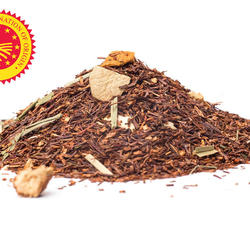
Blueberry Cupcake – Rooibos


Blueberries are a source of antioxidants, and cupcakes are a source of joy. They go well together not only on the plate but also in tea. That is why we decided to combine sweet blueberries, sour elderberries, velvety rooibos and honeybush to make a caffeine-free tea without the need for sweetening. Blueberry Cupcake needs no sugar nor syrup.
Shipping methods
| Nizozemská pošta HD - zásilkovna | Delivered by 22. 10. | 1,00 € |
|---|---|---|
 DHL DHL |
Delivered by 22. 10. | 4,90 € |


Ingredients
Rooibos, Honeybush, Elderberry, 2 % Blueberries, Knapweeds , Natural aromaBrew & Taste
Blueberry Cupcake tea blend provides a red-orange-colored infusion that tastes like blueberries and may resemble the popular little cupcakes. How? Blueberries complement sweet rooibos and honeybush, which are among the herbs that lack any tartness or sourness and elderberries provide the fresh undertones. This tea can be prepared hot, but also tastes great as an iced tea.
Origins
They are known as a superfood and we are not surprised. Blueberries contain a huge amount of beneficial nutrients – from vitamins C, A and B to minerals and anthocyanins. It is thanks to these that blueberries have such a beautiful blue-red color.
Botanists classify the blueberry (Vaccinium myrtillus) in the heather family, so it's not a surprise it likes similar habitats to heather. The thick blueberry shrubs are usually found in damp places, in more acidic soils and at higher altitudes. Blueberries are most widespread in northern Europe, and can also be found in Iceland or the Caucasus. There is no need to go into what the sweet, round fruit can be used for. We are all familiar with blueberry jam, pie, dumplings and tea.
Honeybush is the other essential ingredient in blueberry cupcake tea. The so-called ''not-tea'' adds a pleasant sweetness and smoothness to the drink. It is the fermented, needle-like leaves of the Cyclopia intermedia shrub. It grows exclusively in the South African wilderness and cannot be cultivated anywhere else in the world. It requires specific soil and climatic conditions and is extremely sensitive to industrial pollution.
Finally, let us turn to rooibos, often called Redbush Tea. It, too, is native to South Africa, but unlike honeybush, it is grown by farmers in America, Europe and Asia. It is harvested from the Cape tea tree (Aspalathus linearis), a shrub whose leaves and twigs undergo fermentation, giving it a beautiful mahogany color and sweet taste.
Tea packaging preview
We pack our teas in a strong, zip-lock aluminum packet which allows you to easily re-seal its contents. This container protects the quality of the tea against humidity, light or foreign odors, all of which could noticeably affect the quality of the brew.
Preparation
 100 °C
|
 8 minutes
|
 1 teaspoon for 150-200 ml
|
Instructions for preparation
Pour 150-200ml of boiled water (100°C) per 1 teaspoon of tea.
When brewing in a teapot add 1 extra teaspoon.
Covered, let steep for 8 minutes, then remove the strainer.


| Energy value: | 4 kJ / 2 kcal |
| Fats: | 0.1 g |
| of which saturated: | 0.1 g |
| Carbohydrates: | 0.1 g |
| of which sugars: | 0.1 g |
| Proteins: | 0.1 g |
| Salt: | 0.01 g |
Are you looking for inspiration? Other customers have bought this:
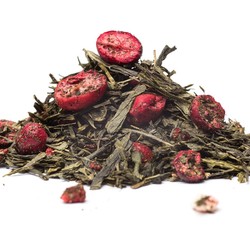
Lingonberry-Strawberry Sencha – Green Tea
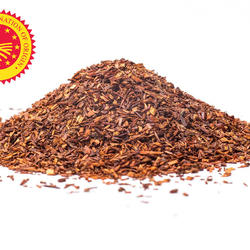
Rooibos