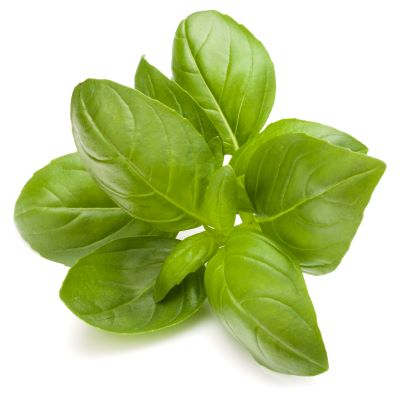
Basil Leaves (Ocimum Basilicum) – Herb


You definitely know this herb! Ocimum basilicum reigns with its name alone – ocimum means ‘to smell pleasantly’ and basileus means ‘king’. Make basil not just the king of your kitchen, but also your apothecary. Aside from using it to whip up the best spaghetti al pomodoro, it’ll help you relieve symptoms of cold and fatigue.
Shipping methods
| Nizozemská pošta HD - zásilkovna | Delivered by 22. 10. | 1,00 € |
|---|---|---|
 DHL DHL |
Delivered by 22. 10. | 4,90 € |


Ingredients
100 % BasilBrew & Taste
Basil tastes a little sweet and a little spicy. It’s not astringent at all, but stays very aromatic and intense. In dried form, it loses some of this intensity, but it’s still recognizable at first taste, even in tea blends. Basil tea is light yellow and has a pleasant aroma.
Origins
Botanists distinguish almost 70 species of basil. The plant, which belongs to the Lamiaceae family, occurs naturally in Africa and South America, but selected species are cultivated all over the world.
Great basil (Ocimum basilicum) probably arrived in Central Europe from the Indian subcontinent in the 16th century. It’s a 20-40 cm tall herb, annual, and can in some cases grow wild. The stem is smooth, the leaves are oblong and ovate, sometimes with serrated edges. Great basil blooms with tiny white flowers, usually from July to September, and its fruits are so-called achenes –they break down into four dry seeds.
As for its habitat, basil thrives in warm and sunny places. It likes loose and nutrient-rich soil, and the seeds are sown in March.
For gastronomic or medicinal use, the stems and leaves are harvested 2-3 times a year. The ideal time to harvest is between 11 a.m. and 2 p.m., when the plant contains the maximum amount of beneficial substances. Basil should be dried in the shade, either in bundles or spread out on screens. When properly dried, it has a dark green color.
Basil has been extremely popular since ancient Greece. At that time, it was used, among other things, to treat snake and scorpion bites. Today, it’s widely used as a spice.
Benefits of ingredients:

Herb packaging preview
We pack our herbs in a strong, zip-lock aluminum packet which allows you to easily re-seal its contents. Thanks to the hermetic seal, the herbs are protected against humidity, light and foreign odors, all of which could noticeably affect the quality of the brew and the herb itself.
Preparation
 100 °C
|
 8-10 minutes
|
 1 teaspoon for 150 ml
|
Instructions for preparation
- Pour 150 ml of boiling water (100°C) per 1 teaspoon of herbs.
- When brewing in a teapot, add 1 extra teaspoon.
- Covered, steep for 8-10 minutes, then remove the strainer.


Are you looking for inspiration? Other customers have bought this:
Nettle Detox with Sea Buckthorn – Herbal Infusion
China Gunpowder – Green Tea