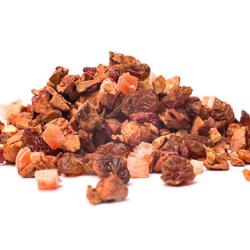
Almond Baked Apples – Fruit Tea


You know the feeling; it’s a cold, cloudy day outside. You’re bundled up in layers of clothing, yet they’re not really helping to warm you up at all. But then you get your hands on a cup of steaming hot tea and the pleasant aroma of apples, almonds and cinnamon makes you feel its warmth in an instant. Haven’t experienced that? Well, now’s the perfect time! This fruity tea filled with apples, almonds and coconut will let you experience that cozy warmth from anywhere. Just let it steep for 8 minutes and breathe in that wonderful scent. What a beautiful world!
Shipping methods
| Nizozemská pošta HD - zásilkovna | Delivered by 22. 10. | 1,00 € |
|---|---|---|
 DHL DHL |
Delivered by 22. 10. | 4,90 € |


Ingredients
80 % Apple Bits (Apples, Citric Acid), Carrot chunks, 5 % Almond slices, Coconut rasps, Sunflower, AromaBrew & Taste
Almond baked apples tea truly lives up to its name. The sunny-colored infusion fills any room with a delicious aroma and tastes like apples lightly roasted in butter, sprinkled with almonds and topped with vanilla liqueur. In short, a great treat for weekdays and holidays.
Origins
How long have we actually known apples? Thousands of years! The first apple trees grew in the Tian Shan mountains on the border of present-day Kazakhstan and China, in the "wild" version of Malus Sievers. From there, they gradually spread to the Mediterranean, Persia, Egypt and Europe thanks to trade routes and the Silk Road in particular. Apples were very popular in ancient Rome and Greece. While the Greeks cultivated and bred them to create new varieties, the Romans popularized apple trees all around Europe, especially in today’s France, Germany and Great Britain. In the Middle Ages, apple trees became a common feature of European gardens and monastic orchards, spread by monks who devoted themselves to not only breeding new varieties, but also documenting cultivation methods. North America was a little bit late to the apple party, as the tree has only been brought there by European settlers in the 17th century – the first apple tree in today’s US was planted in Boston.
Nowadays, there are over 7,500 apple varieties cultivated around the world. The individual varieties now create a giant spectrum of looks and tastes, each apple has its own fans. In addition to their amazing taste, they are also high in vitamins C, K, B6, A, E, minerals such as potassium, and fibre. They are often eaten fresh, but can be utilized when making juices, desserts, side dishes or in dried form – they’re a part of many a traditional dish.
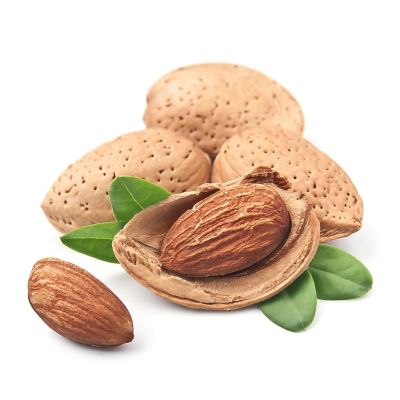
Almonds, the other essential ingredient in Almond baked apple, also carry a long and fascinating history. The first remarks of almonds appear all the way back in ancient Persia and Mesopotamia, where almond trees were cultivated by people as early as 4,000 years ago.
Almonds played a crucial role for ancient civilizations. For example, the Egyptians and Phoenicians considered them a symbol of good luck. In Egypt, almonds were associated with funeral rites and were even unearthed between the treasures of Tutankhamun's tomb. Ancient Egyptians believed that almonds could strengthen your soul in the afterlife. The Romans often gave almonds to newlyweds, since it was seen as a symbol of fertility. The tradition of giving almonds at weddings has survived to the present day and they’re often given as a symbol of good luck and prosperity.
Almonds are the fruit of the almond tree (Prunus dulcis), a tree native to the Middle East and Southwest Asia, especially in what is now Iran, Syria and Palestine. Today, almonds are grown mainly in dry and warm climates, with California being the largest producer. Other major producers are Spain, Iran, Morocco and Italy.
In terms of nutritional value, almonds are a so-called superfood. In addition to fiber, protein and vitamin E, they also contain magnesium, phosphorus, calcium, potassium and iron. They are valued as a source of mono- and polyunsaturated fatty acids. Almonds can be eaten raw, roasted, as part of salads, desserts or dishes, or used to make almond milk, almond flour or almond butter.
Benefits of ingredients:


Tea packaging preview
We pack our teas in a strong, zip-lock aluminum packet which allows you to easily re-seal its contents. This container protects the quality of the tea against humidity, light or foreign odors, all of which could noticeably affect the quality of the brew.
Preparation
 100 °C
|
 8-10 minutes
|
 1 teaspoon for 150-200 ml
|
Instructions for preparation
Pour 150-200ml of boiled water (100°C) per 1 teaspoon of tea.
When brewing in a teapot add 1 extra teaspoon.
Covered, let steep for 8-10 minutes, then remove the strainer.


Are you looking for inspiration? Other customers have bought this:
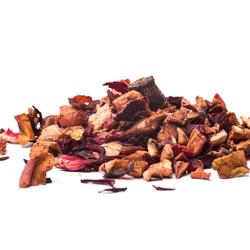
Peach-Apricot Magic – Fruit Infusion
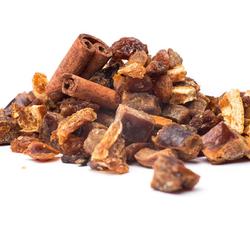
Vanilla Plum – Fruit Infusion