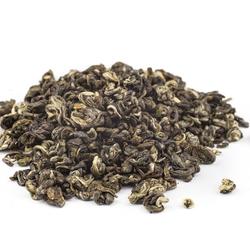
Yellow Sun – Yellow Tea


You’ve probably heard of green, black, maybe even white tea. But what about yellow tea? Yellow Sun is one of the rarest, least known teas in the world – a true gem for tea experts and curious novices. It’s from the Yellow Mountains, known not only for tea traditions but also as the most picturesque place in China. Slow down and enjoy! Each sip will caress you with the fresh mountain breeze.
Shipping methods
| Nizozemská pošta HD - zásilkovna | Delivered by 22. 10. | 1,00 € |
|---|---|---|
 DHL DHL |
Delivered by 22. 10. | 4,90 € |


Ingredients
Brew & Taste
After brewing, Yellow Sun becomes a light yellow color with a shimmery golden hue. It literally looks like liquid sun. The aroma is light yet fragrant, full of notes of baked bread, florals, and a slight hint of nuts. The taste can be described as silky smooth, naturally sweet, with traces of roasted grains and baked goods. No astringency, no bitterness, just pure, harmonious elegance. The impression of this tea is lasting and memorable without being forceful.
Origins

China Yellow Sun comes from the Anhui Province, one of the most beautiful regions in all of China. It’s located in the eastern part of the country, forming an imaginary bridge between northern and southern China. Here, in the Huang Shan (Yellow Mountains) range, renowned teas have been produced for centuries. It’s more than a beautiful landscape with captivating rock formations, misty valleys, and ancient pine trees – it’s also an area rich with cultural heritage and ancient history.
Anhui is, in short, the cradle of Chinese culture. Civilizations developed here as early as the Neolithic period, and later ancient states emerged that played a key role in shaping Chinese identity. The area around Huang Shan was a center of trade and education, home to old merchant families and villages that have been preserved to this day and are now UNESCO
World Heritage Sites. For centuries, the local people have been devoted not only to tea trees, but also to traditional arts such as the famous Huangmei opera, calligraphy, and silk production. You may have also heard about the local cuisine, renowned for its love of natural ingredients, mushrooms, mountain herbs, and delicate flavors.
When you walk through this landscape, you’ll not only breathe in the scent of pine trees and fresh air, but also the knowledge that every tea leaf that grows here is part of a tradition dating back hundreds of years. The microclimate of the mountains with frequent fog provides excellent conditions for the tea plants, which is why tea from Huang Shan is so delicate, aromatic, and balanced.
But why is yellow tea so rare? The answer lies not only in nature itself, but also in human hands. Processing Yellow Sun tea is very time-consuming and requires masterful skills passed down from generation to generation. The special ""men huan"" method, in which the leaves are repeatedly heated, wrapped, and left to mature slowly, produces a beverage without bitterness or astringency, but with a delicate, sweet, and smooth character.
Each sip of this tea brings not only a unique taste experience, but also a piece of ancient Chinese history, nature, and culture.
Tea packaging preview
We pack our teas in a strong, zip-lock aluminum packet which allows you to easily re-seal its contents. This container protects the quality of the tea against humidity, light or foreign odors, all of which could noticeably affect the quality of the brew.
Preparation
 70-80 °C
|
 2-3 minutes
|
 1 teaspoon for 150-200 ml
|
Instructions for preparation
- Pour 150-200ml of water (70-80°C) per 1 teaspoon of tea.
- When brewing in a teapot, add 1 extra teaspoon.
- Covered, let steep for 2-3 minutes, then remove the strainer.


Are you looking for inspiration? Other customers have bought this:
China Gunpowder Super – Green Tea
China Pai Mu Tan – White Tea