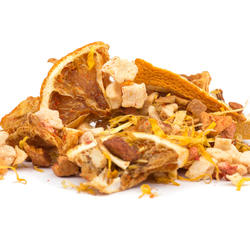
Winter Cherry – Fruit Infusion


What's it like to rest under a blossoming cherry tree in winter? Let's try to imagine it... White petals spilling from its vibrant crown, surrounded by hills covered with a soft blanket of fresh snow. The air is cool and crisp. Take a deep breath: can you smell the sweet cherries, cinnamon and coconut? Everything is quiet and you're enveloped by the warmth of your steaming teacup.
Shipping methods
| Nizozemská pošta HD - zásilkovna | Delivered by 22. 10. | 1,00 € |
|---|---|---|
 DHL DHL |
Delivered by 22. 10. | 4,90 € |


Ingredients
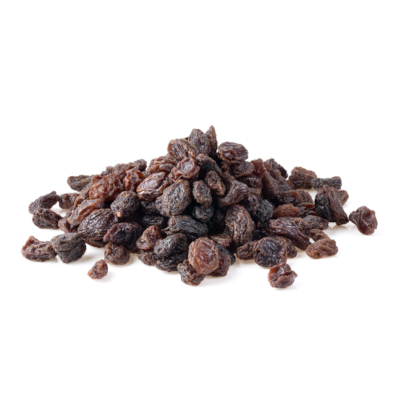
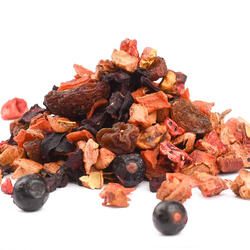
Apple chunks, Raisins, 10 % Dried cherries (cherries, sugar), Coconut chips (coconut, sugar), Carrot chunks, Natural aroma, Cardamom, Rice, BeetrootBrew & Taste
Just like the fruit in its name, Winter Cherry has a charming red color. The aroma is inviting, full of cinnamon and cherries. After the first sip, you'll recognize the sweet and sour notes of the fruit, highlighted by coconut, cinnamon and a bit of spicy cardamom.
Origins
Apples, grapes, cherries, but also coconut, cardamom and beetroot. We really had fun mixing this tea. Of course, we wanted to maximize the flavor composition, but we also thought about the vitamins and antioxidants, which are needed twice as much in the winter. We buy all our fruit from a certified supplier.
We only process ripe and healthy fruit. They are cut into really big pieces and freeze dried, which is a very gentle method of preservation that keeps up to 90% of its original nutrients. In addition, the fruit retains its natural color, flavor and aroma.
Apple and cherry trees probably need no lengthy introduction. Both are deciduous trees that occur naturally in the temperate northern hemisphere. There is a number of varieties of them in the world.
Apples ripen from August to September. Ancient Romans were grafting and harvesting them as early as 300BC. More than 40 million tonnes of apples are harvested worldwide every year. Their popularity is due to their excellent taste and, of course, their vitamin C and E content, as well as minerals such as potassium and iron. Eating apples is beneficial in many ways.
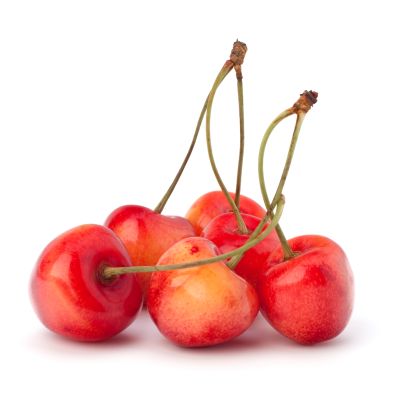
The fruit of the cherry tree are drupes. Cherries have been cultivated since the 12th century, and although the sweet red fruit is seen more as a great ingredient for pies and cakes, its health benefits are undeniable. Cherries contain extremely high levels of magnesium, iron, calcium, potassium, iodine, phosphorus, zinc and silicon. Also, vitamins C, A, P, E and B.
The third important ingredient in Winter Cherry tea is cinnamon: the bark of the cinnamon tree. People have known and used it for more than 6,000 years. It was introduced to European kitchens and folk medicine in the 15th century.
Benefits of ingredients:


Tea packaging preview
We pack our teas in a strong, zip-lock aluminum packet which allows you to easily re-seal its contents. This container protects the quality of the tea against humidity, light or foreign odors, all of which could noticeably affect the quality of the brew.
Preparation
 100 °C
|
 8-10 minutes
|
 1 teaspoon for 150-200 ml
|
Instructions for preparation
Pour 150-200ml of boiled water (100°C) per 1 teaspoon of tea.
When brewing in a teapot add 1 extra teaspoon.
Covered, let steep for 8-10 minutes, then remove the strainer.


| Energy value: | 13 kJ / 3 kcal |
| Fats: | 0.1 g |
| of which saturated: | 0.1 g |
| Carbohydrates: | 0.7 g |
| of which sugars: | 0.3 g |
| Proteins: | 0.1 g |
| Salt: | 0.01 g |
Are you looking for inspiration? Other customers have bought this:
Creamy Strawberries – Fruit Infusion
Child's Dream – Fruit Infusion