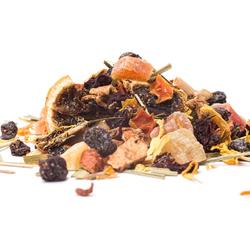
Tropical Fruits – Fruit Tea


The Caribbean? Thailand? The Philippines? You don't need to travel anywhere, this tea will take you to the tropics in no time! A blend of pitahaya, kiwi, pineapple, papaya and other fruits will evoke the atmosphere of real summer. Just pour boiling water over the juicy fruit bits. This tea is so delicious that it simply needs no further care. Just throw in a few mint leaves and a slice of lime.
Shipping methods
| Nizozemská pošta HD - zásilkovna | Delivered by 16. 10. | 1,00 € |
|---|---|---|
 DHL DHL |
Delivered by 16. 10. | 4,90 € |


Ingredients
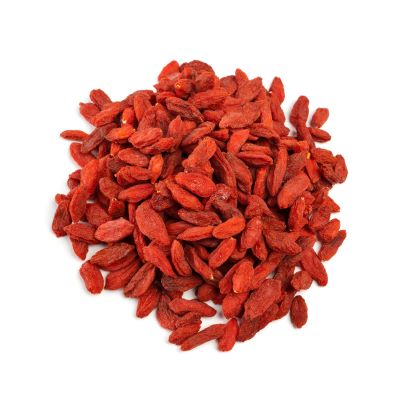
62 % Apple chunks, Dragon fruit chunks, Sea buckthorn, 5 % Chokeberry, 5 % Goji, Aroma, Kiwi, Pineapple (pineapple, sugar, citric acid), Papaya (papaya, sugar), Bluberries (blueberries, sugar), CranberriesBrew & Taste
Tropical Fruits tea produces a golden beverage with a pleasant, sweet fruity aroma. The flavor is dominated by notes of strawberry, kiwi, pineapple and papaya. The overall composition is harmonious and fresh.
Origins
What kind of fruit grows in the tropics? If we look at countries such as Brazil, Indonesia, Thailand, Colombia or the Philippines, we will find plantations of bananas, oranges, mangoes, papaya, pineapples, coconuts and avocado. If we wanted to collect all the ingredients for this tea, we'd have t travel the world. For instance, let's look at dragon fruit (pitahaya), kiwi and pineapple.
Pitahaya, also known as dragon fruit, is the fruit of a cactus in the genus Selenicereus. Native to southern Mexico, Guatemala, Costa Rica and El Salvador, it is now cultivated in Asia, Australia and the Caribbean. If you have not seen a climbing cactus before, try to imagine a pitahaya. It has triangular, fleshy climbing stems that can grow up to several meters long and blooms with large, fragrant flowers. But these open only for the night, fading the next day. The fruit of the cactus is a berry with tough skin and a few scales. They weigh around 500g and of course hide the most interesting part well – the sweet, juicy flesh with hundreds of small black seeds. Dragon fruit not only tastes great, but it also contains vitamin C, iron, fiber, and flavonoids. It is usually eaten raw, but it is also used to make juices, jams and so on.
Kiwi is native to New Zealand, Italy, China, Chile and California. Like the dragon fruit, it is the fruit of a climbing plant, but this time it is not a cactus but a vine with large, oval leaves. Its name? Actinidia deliciosa. It flowers with white or cream flowers, the fruit is oval, covered with a brown hairy skin and has green flesh with black seeds inside. It is by the skin that farmers know when it is time to harvest – when the kiwi ripens, it changes color from green to brown.
Those who indulge in kiwi from time to time will supplement their diet with vitamins C, K and E, potassium, and folic acid. And this is certainly not to be missed. This fruit is best raw, but it is suitable for salads, and desserts, can be made into juices, jams and can even be dried.
Finally, let us take a look at the pineapple. Its native habitat is the area between southern Brazil and Paraguay. However, because it is so popular, farmers in Thailand, Hawaii, India and even the Philippines are cultivating it. The pineapple plant has hard, pointed leaves that grow from the centre of the rosette and can reach up to 1.5m in length. The leaves are green with sharp spines around the edges. The pineapple produces pinkish-purple flowers that gradually turn into a fruit made up of individual berries. The berries grow into a single cluster.
Pineapple is rich in vitamins, especially vitamin C, and minerals such as manganese. It also contains bromelain, an enzyme that aids in protein digestion and has anti-inflammatory properties. Pineapples are mainly eaten fresh, canned, dried or as juice. Due to its sweet taste, it is used in desserts, salads, drinks and even as a side dish for meat dishes.
Benefits of ingredients:


Tea packaging preview
We pack our teas in a strong, zip-lock aluminum packet which allows you to easily re-seal its contents. This container protects the quality of the tea against humidity, light or foreign odors, all of which could noticeably affect the quality of the brew.
Preparation
 100 °C
|
 8-10 minutes
|
 1 teaspoon for 150-200 ml
|
Instructions for preparation
Pour 150-200ml of boiled water (100°C) per 1 teaspoon of tea.
When brewing in a teapot add 1 extra teaspoon.
Covered, let steep for 8-10 minutes, then remove the strainer.


| Energy value: | 8 kJ / 2 kcal |
| Fats: | 0.5 g |
| of which saturated: | 0.1 g |
| Carbohydrates: | 0.5 g |
| of which sugars: | 0.3 g |
| Proteins: | 0.5 g |
| Salt: | 0.01 g |
Are you looking for inspiration? Other customers have bought this:
Child's Dream – Fruit Infusion
Goji-Raspberry – Fruit Infusion