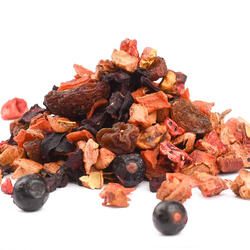
Sweet Tangerine – Fruit Infusion


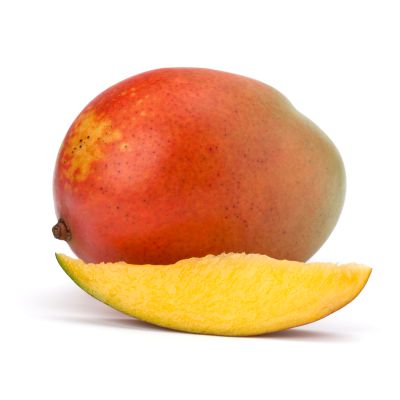
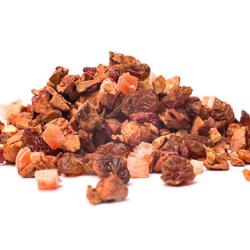
This tea is full of what else but tangerines. But in addition to these juicy citrus fruits, you'll also find mangoes, strawberries and apples. All in the highest quality, carefully preserved and blended in the ideal proportions. Once you cover them in hot water, you'll get a refreshing, sweet and fruity drink that warms you up in winter and cools you down in summer. And because it's caffeine-free, you can enjoy it from dawn till dusk.
Shipping methods
| Nizozemská pošta HD - zásilkovna | Delivered by 22. 10. | 1,00 € |
|---|---|---|
 DHL DHL |
Delivered by 22. 10. | 4,90 € |


Ingredients
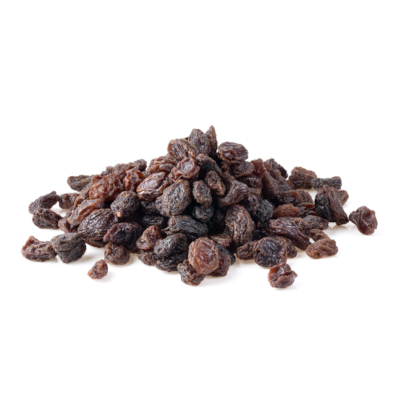
Apple chunks, Raisins, Carrot chunks, Candied mango (mango, sugar), Beetroot, Hibiscus flower, 5 % Tangerine, Natural aroma, Strawberry chunks, Safflower blossomBrew & Taste
Sweet Tangerine fruit tea lives up to its name. Get ready for a fresh and citrusy, yet beautifully sweet drink. Even though tangerines are orange, the drink has a light red color thanks to hibiscus. It's also pleasantly tart, which is balanced by sweet carrots, beets, mangoes and strawberries.
This tea is also suitable for making iced tea.
Origins
Tangerines? Around 33 million tonnes of them are harvested worldwide each year. China is the biggest producer, followed by Spain, Brazil, Japan, Iran and other countries. One of the earliest mentions of tangerines is in connection with Major Atway, who is said to have brought them from Morocco (from the city of Tangier, to be precise) to Florida. In 1843, he sold his tangerine groves, presumably at a very good price.
Thanks to Tangier, the fruit was named tangerine, but botanists have given it a less poetic name – Citrus reticulata. In terms of appearance, the common tangerine is quite decorative. The shorter tree reaches a maximum height of 6m, has a rounded crown and many shiny, egg-shaped leaves. Tangerines produce white, pleasantly scented flowers. The fruit is well-known to all. Experts describe it with the word hesperidin, but we only need to know that it is spherical, orange in color and hides juicy crescent-shaped slices under its skin. They also contain white seeds. Tangerines are thermophilic plants, although they tolerate short-term lower temperatures well. They are grown in the tropics and subtropics, in many varieties and cultivars. Why these citrus fruits are so popular is probably obvious.
They taste great, contain many beneficial substances and smell amazing. Tangerines are most often used for direct consumption, but of course they are also canned, processed into juices or concentrates. More than 3/4 of the fruit is water, the rest is carbohydrates, fat and protein. The amount of vitamin C is significant – about 30% of the daily requirement is found in a single tangerine. In addition to the fruit, there is also a demand for the peels, which are used to machine press the essential oil used in the production of perfumes.
As for the benefits of eating tamgerines, let us mention that thanks to vitamin C they contribute to the support of immunity, to maintaining the vitality of the nervous system and to the normal functioning of the brain and the circulatory system.
Benefits of ingredients:




Tea packaging preview
We pack our teas in a strong, zip-lock aluminum packet which allows you to easily re-seal its contents. This container protects the quality of the tea against humidity, light or foreign odors, all of which could noticeably affect the quality of the brew.
Preparation
 100 °C
|
 8-10 minutes
|
 1 teaspoon for 150-200 ml
|
Instructions for preparation
Pour 150-200ml of boiled water (100°C) per 1 teaspoon of tea.
When brewing in a teapot add 1 extra teaspoon.
Covered, let steep for 8-10 minutes, then remove the strainer.


| Energy value: | 15 kJ / 4 kcal |
| Fats: | 0.5 g |
| of which saturated: | 0.1 g |
| Carbohydrates: | 0.9 g |
| of which sugars: | 0.9 g |
| Proteins: | 0.5 g |
| Salt: | 0.01 g |
Are you looking for inspiration? Other customers have bought this:
Creamy Strawberries – Fruit Infusion