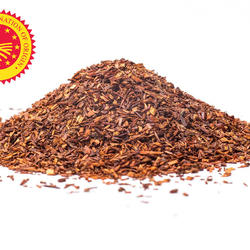
Mint Chocolate – Rooibos


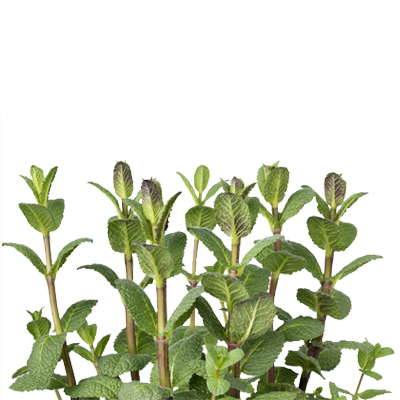
Do you like chocolate with a little minty freshness? If you are nodding your head, definitely try this combo of rooibos, ground cocoa beans and peppermint This fine-tuned tea has just the right amount of breezy and sweet complemented by delicious chocolate. It contains antioxidants thanks to the rooibos, a hint of theobromine thanks to the cocoa beans and a little menthol thanks to the mint. Have it in the afternoon for a pleasant refreshment.
Shipping methods
| Nizozemská pošta HD - zásilkovna | Delivered by 22. 10. | 1,00 € |
|---|---|---|
 DHL DHL |
Delivered by 22. 10. | 4,90 € |


Ingredients
Rooibos, Cocoa beans, Peppermint, Natural aromaBrew & Taste
Mint Chocolate tea has a dark, mahogany-colored infusion. It smells of honey and mint and tastes like mint flavored chocolate.
Origins
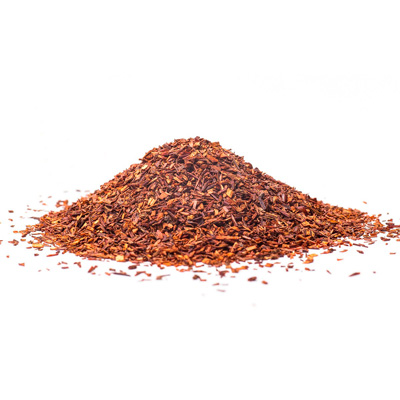
Yes, of course, we have to start with rooibos. The so-called red bush (Aspalathus linearis) grows exclusively in the Cederberg region of South Africa. It thrives in hot, dry climates and sandy soil. It reaches a height of about 1.5m and has small yellow flowers and narrow, needle-like leaves. The leaves are harvested by hand, usually after the plant has reached full maturity, which is about 18 months after planting. The harvested leaves and fine twigs must be chopped by workers and then left to ferment until they take on their characteristic reddish-brown color and sweet, slightly nutty flavor. The whole process takes 8-24 hours. Once it's finished, drying follows, usually in direct sunlight.
Apart from the flavor, what makes rooibos so interesting? Firstly, it does not contain caffeine, so it is suitable for very young children, and secondly, it contains a considerable amount of interesting nutrients. In particular, antioxidants (aspalathin and nothofagin) and minerals (iron, calcium, potassium, magnesium and zinc).
Rooibos is most often used to make tea, but it can also be used to flavor marinades, sauces, desserts and even cocktails.
The second essential ingredient in Mint Chocolate Rooibos tea is cocoa beans. These are the fermented and crushed seeds of the cacao tree (Theobroma cacao), which are used to make chocolate, cocoa and other products. Their history dates back to 4,000 years ago when they were used by the Mayans and Aztecs. It should be added that the beans were rare, so Native Americans considered them sacred. After the arrival of the Spaniards in the 16th century, information about cocoa beans and chocolate spread to Europe and gradually around the world.
The production of cocoa beans begins with the harvesting of the cocoa tree fruit. They are up to 30cm in length, usually yellow with grooves on the surface. They contain around 50 seeds – cocoa beans. When the farmers remove them, they store the beans so that they can ferment and acquire the desired taste and color. The beans are then dried, roasted and crushed.
The benefits of cocoa beans include a high content of antioxidants, minerals and other nutrients. Not forgetting theobromine, a relative of caffeine with similar effects. What can cocoa beans be used for? They have a long history in rituals, ceremonies and celebrations. In modern times, cocoa beans and chocolate have become global symbols of love, well-being and luxury.
Benefits of ingredients:

Tea packaging preview
We pack our teas in a strong, zip-lock aluminum packet which allows you to easily re-seal its contents. This container protects the quality of the tea against humidity, light or foreign odors, all of which could noticeably affect the quality of the brew.
Preparation
 100 °C
|
 8 minutes
|
 1 to 2 teaspoons for 150-200 ml
|
Instructions for preparation
Pour 150-200ml of boiled water (100°C) per 1 teaspoon of tea.
When brewing in a teapot add 1 extra teaspoon.
Covered, let steep for 8 minutes, then remove the strainer.


| Energy value: | 3 kJ/1 kcal |
| Fats: | 0.5 g |
| of which saturated: | 0.1 g |
| Carbohydrates: | 0.5 g |
| of which sugars: | 0.2 g |
| Proteins: | 0.5 g |
| Salt: | 0.01 g |
Are you looking for inspiration? Other customers have bought this:
Masala Chai – Black Tea
Lingonberry-Strawberry Sencha – Green Tea