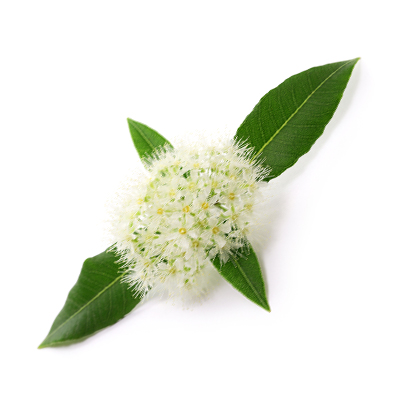
Lemon Myrtle Leaf – Herb

Are you looking for an herb that can refresh you as reliably as a slice of lemon but without the sourness? If you said yes, lemon myrtle might be for you. The leaves have an intense lemon aroma reminiscent of lemon zest, lime, or a garden after a summer rain. The infusion of this Australian herb is light, fragrant, and extra pleasant no matter the time of day. Try it as is or combine it with fruit, mint, or green tea.
Shipping methods
| Nizozemská pošta HD - zásilkovna | Delivered by 2. 10. | 1,00 € |
|---|---|---|
 DHL DHL |
Delivered by 2. 10. | 4,90 € |


Ingredients
100 % Lemon myrtleBrew & Taste
After brewing, lemon myrtle leaves release an intense citrus aroma underlined with a sweet note. The infusion is a light golden color and the extra refreshing taste is full of notes of lemons and limes. However, unlike citrus fruits, it's not sour at all, making the experience exceptionally mild and harmonious. In the finish, you can notice a slight herbal note and a pleasant sweetness. This beverage tastes great hot, but it can also be extra refreshing as a homemade iced tea.
Origins
The lemon myrtle (Backhousia citriodora) is native to the subtropical rainforests of Queensland, Australia, where it grows in a belt stretching from the city of Mackay to Brisbane. It belongs to the myrtle family and can grow up to 6 meters tall in the wild. Its glossy, lance-shaped leaves remain green year-round; when disturbed, they release an intense lemon scent, which has made the plant popular all around the world.
The lemon myrtle was given its botanical name in 1853 by the German-Australian botanist Ferdinand von Mueller. He chose the genus name Backhousia in honor of his friend James Backhouse, an English botanist and naturalist. The common name 'lemon myrtle' refers to the exceptionally distinctive scent of its crushed leaves.
Australian Aboriginal peoples have used lemon myrtle for centuries as part of their diet and traditional way of life. Today, it's considered one of Australia’s most important ""bush foods"" – that is, native foods sourced from the local wilderness. It is no coincidence that it's earned the nickname of 'queen of lemon herbs'. The dried leaves are used to make teas and to flavor fish, desserts, baked goods, and herbal blends.
It owes its popularity primarily to its high content of essential oil rich in citral – the aromatic compound responsible for its clean, sweet, and exceptionally fresh lemon scent. Compared to lemongrass, the aroma of myrtle is often described as more delicate, rounder, and pleasantly sweeter.
Lemon myrtle leaves contain, in particular:
- citral (geranial and neral),
- essential oil with an intense citrus aroma,
- flavonoids,
- naturally occurring antioxidants.
It is therefore no surprise that the lemon myrtle has found its way not only into the cups of herbal tea lovers, but also into modern gastronomy, cosmetics, and the production of natural fragrances. Few plants can offer such an intense lemon scent in such a natural and harmonious form.
Benefits of ingredients:

Herb packaging preview
We pack our herbs in a strong, zip-lock aluminum packet which allows you to easily re-seal its contents. Thanks to the hermetic seal, the herbs are protected against humidity, light and foreign odors, all of which could noticeably affect the quality of the brew and the herb itself.
Preparation
 90-95°C
|
 5-10 minutes
|
 1 teaspoon for 200 - 250 ml
|
Instructions for preparation
- Pour 200-250 ml of boiled water (90-95°C) per 1 teaspoon of herbs.
- When brewing in a teapot, add 1 extra teaspoon.
- Covered, steep for 5-10 minutes, then remove the strainer.


Are you looking for inspiration? Other customers have bought this:
Sea Buckthorn Cream – Rooibos
Silky Raspberries – Fruit Tea