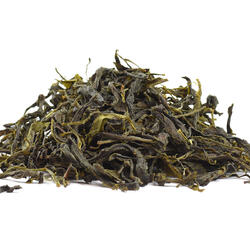
Kenya Purple Tea - Purple Tea


The special Kenyan tea has only recently become known, but it is gaining popularity all the more rapidly. The purple leaves of the rare tea plant are high in anthocyanins and L-theanine. Tein, on the other hand, is not very abundant. Purple Tea tastes sweet, slightly woody, light and delicate. It is suitable for all-day sipping.
Shipping methods
| Nizozemská pošta HD - zásilkovna | Delivered by 14. 10. | 1,00 € |
|---|---|---|
 DHL DHL |
Delivered by 14. 10. | 4,90 € |


Ingredients
100 % Kenya Purple teaThe infusion and taste of the tea
Kenya Purple Tea gives a light infusion, with purple highlights. Its taste is light, similar to that of oolong. However, it lacks the typical grassy quality, and a sweet, floral and gently woody note can be observed.
Origin of tea

If you think Purple Tea is some unknown herb, you are mistaken. It is the leaves of the Camellia sinensis tea plant, used for thousands of years, but with the ability to produce the antioxidant anthocyanin, which causes their purple colour. Blueberries, for example, contain the same dye, but they have several times less of it. And because anthocyanin is one of the substances with a significant antioxidant effect, purple tea is often referred to as a superfood.
The original wild Chinese tea trees with purple leaves were discovered on a small scale in China, but it wasn't until Kenyan farmers took the opportunity to introduce this unique tea to the public. Working together with the public and private sectors, they managed to acquire and plant the bushes 25 years ago at altitudes ranging from 1 400 to 2 300 metres. Most of these tea trees today grow around the Nandi Hills in south-western Kenya. The high altitude and location near the equator are the reason for the higher dose of UV radiation that triggers the production of antioxidants in the leaves of these tea trees. Why? To protect the green matter from damage.
Tea trees are no stranger to Kenya. The locals have been growing them commercially since 1924 and they are doing very well. Tea is the country's main source of foreign exchange. Tea plantations cover about 160,000 hectares of land. Farmers do not use any industrial treatments or fertilisers, and sell their harvests through a public auction in Mombasa.
Kenyans are mainly involved in black tea production. But they can also process this purple one very well. It is essentially a similar process to green tea, which is why we classify Purple Tea as a green tea. After harvesting the young leaves and shoots, which is entirely by hand, they interrupt the activation of the enzymes, then hot roll the leaves and finally dry and sort them. The result is a tea that looks like black, but tastes more like a slightly atypical green.
As we mentioned at the beginning, Purple Tea stands out for its low tein content and extremely high antioxidant content. It is therefore suitable for all-day sipping. Its delicate, sweet taste can be beautifully combined with herbs or dried tropical fruits, for example.
Tea packaging preview
We pack our teas in a strong, zip-lock aluminum packet which allows you to easily re-seal its contents. This container protects the quality of the tea against humidity, light or foreign odors, all of which could noticeably affect the quality of the brew.
Preparation
 70-80 °C
|
 3-5 minutes
|
 1 teaspoon for 150-200 ml
|
Instructions for preparation
- Pour purple tea with water at a temperature of 70-80 ° C, in the ratio of 1 teaspoon per 1.5-2 dl.
- Add 1 teaspoon extra for the preparation of tea in a teapot.
- Leaching time 3-5 minutes (covered cup), then strain.


Are you looking for inspiration? Other customers have bought this:
Georgian Gold Green Tea – Tea Blend
Tian Mu Qing Ding – Organic Green Tea