


Kenya Kangaita FOP – Black Tea


Exclusively young leaves and buds! The fresh, soft leaves of tea trees grown in the high mountains of Kenya guarantee a wonderful, relaxing experience. Kenya Kangaita FOP has an intense taste in which you can easily distinguish fruit and spices. It is great with milk, but if you prefer a strong drink, don't flavor it. It will appeal to every lover of classic black tea.
Shipping methods
| Nizozemská pošta HD - zásilkovna | 1,00 € | |
|---|---|---|
 DHL DHL |
4,90 € |


Ingredients
100 % Black tea Kenya Kangaita FOPBrew & Taste
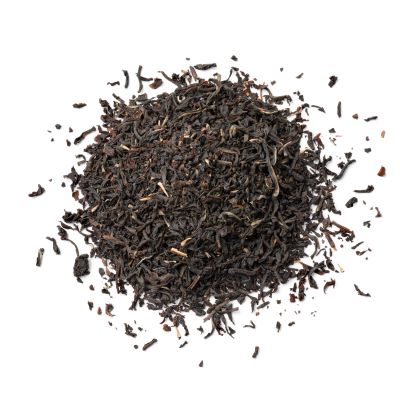
Kenya Kangaita FOP provides an infusion of beautiful, copper color. The taste can be described as sweet, intense but balanced. You will find both fruity notes and attractive traces of spices. Although it is a strong tea, it is smooth and mellow. It tastes great with milk, and you can try it subtly sweetened.
Origins
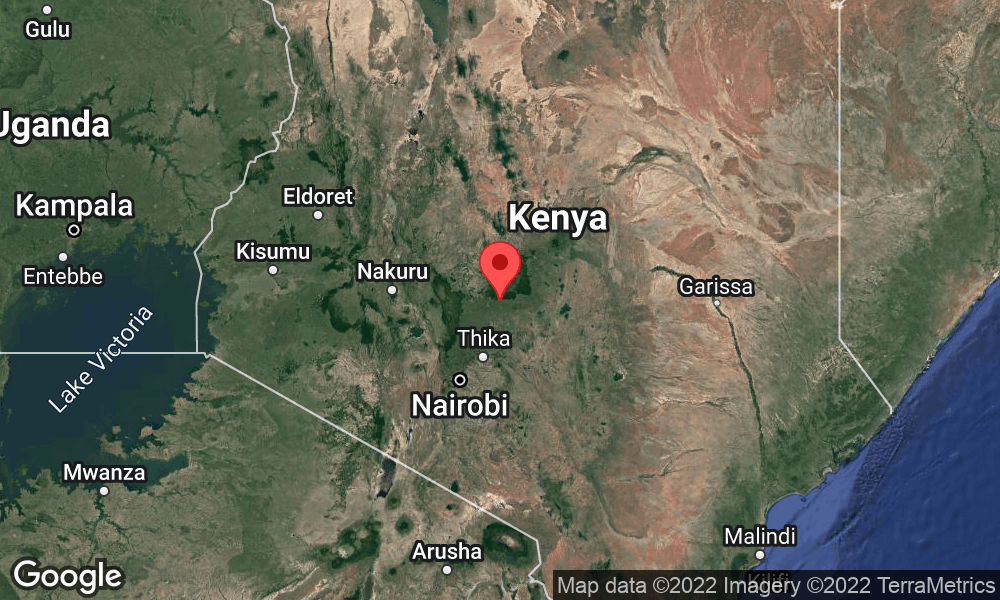
For Kenya, tea is one of its essential crops, and Kenyans take proper care of their plantations. Most of the small-scale farmers are under the Kenya Tea Development Agency, whose role is to manage the harvesting, processing, production and sale of Kenyan tea. It oversees 66 processing plants and over 500,000 farmers.
The East African country is a leading exporter of black tea, known as CTC (Crush, Tear, Curl). This tea resembles tiny balls in appearance, as the tea leaves are crushed, torn and rolled. That is not the case with Kenya Kangaita FOP, which bears the words Flowery Orange Pekoe in its name, meaning it is a whole-leaf tea made from the buds and first leaves. The tea, therefore, has a soft and delicious taste.
It is said that Kenyan tea tastes different. Tea lovers describe it as "brisk", rich and strong, yet light and pleasant. Nature has an undeniable part to play in the uniqueness of Kenyan black tea. The tea trees grow from deep red soil rich in minerals, the plantations are surrounded by rainforest and are situated at an altitude of around 2,000m. The long hours of sunshine, as well as the favorable rainfall conditions, allow the shrubs to produce large quantities of antioxidants and other substances responsible for the unique aroma and taste of the resulting infusion. The plantations are often operated in an organic farming regime so that the shrubs do not come into contact with industrially produced fertilizers or chemicals. The Kangania Tea Factory, from which this tea comes, specializes in processing high-quality orthodox teas and has been Fair Trade certified.
Now we will just fill in the black tea production process so you have the complete information. Harvesting is done by hand and with great care in Kenyan tea gardens producing high-quality varieties. After plucking, the workers leave the leaves to wilt briefly, then roll them to break their structure and start the oxidation process. At this stage, it is necessary to monitor the temperature of the tea, its humidity and the time during which oxidation takes place. Once the tea has reached the desired sensory characteristics, it is sent to the drying rooms. Finally, it needs to be sorted, packed and prepared for export.
Benefits of ingredients:

Tea packaging preview
We pack our teas in a strong, zip-lock aluminum packet which allows you to easily re-seal its contents. This container protects the quality of the tea against humidity, light or foreign odors, all of which could noticeably affect the quality of the brew.
Preparation
 100 °C
|
 2-3 minutes
|
 1 teaspoon for 150-200 ml
|
Instructions for preparation
Pour 150-200ml of boiled water (100°C) per 1 teaspoon of tea.
When brewing in a teapot add 1 extra teaspoon.
Covered, let steep for 3-5 minutes, then remove the strainer.


