


Why our products?
- Free shipping on orders over 49 €
- Satisfied customers
- Delivery date is specified within the product description
Iced tea vs. Cold brew: What
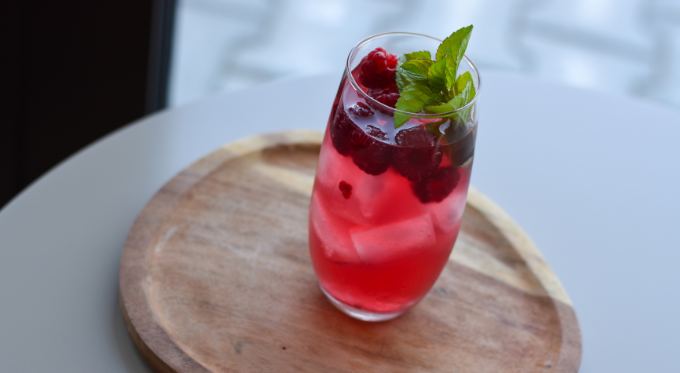
No, iced tea and cold brew are not the same thing. Sure, they both end up as a cold drink in the end, but the difference lies elsewhere: the water temperature during brewing. Iced tea is steeped in hot water and cooled after, which makes it more intense and full.
On the other hand, cold brew is steeped in cold water from the very start. Thanks to this, it's milder, sweeter, and won't become bitter.
Is iced tea the same as cold brew? Simply, no
The confusion is actually very understandable. Both end up in the fridge and are served with clinking ice to refresh you in the summer. That's why coffee shops and online stores use these names almost interchangeably. But the cold result doesn't tell us anything about the preparation, which makes the largest difference in taste.
Imagine the difference between grilling and sous-vide. You have the same components at the start, but they're prepared using different methods which result in very distinct outcomes.
| Iced tea | Classic cold brew | Cold Brew 15-Min | |
|---|---|---|---|
| Preparation | Hot infusion, cooled later | Cold water, refrigerated | Cold water, steeped |
| Water temperature | around 100°C | Cold (fridge) | 15–20 °C |
| Time | Minutes + cooling | 6-12 hours | 15 minutes |
| Taste | Intense, full, refreshing | Mild, sweet, smooth | Refreshing and light, no bitterness |
| Risk of astringency | Yes (if steeped too long) | Minimal | Minimal |
| Ideal when | You need a large serving | Planning ahead | You want to enjoy right away |
Rule of the thumb: hot water will extract everything – taste, color, tannins. Cold water only extracts the best parts, leaving the bitter notes in the base.
Iced tea

This type of tea is what you probably imagine when you hear 'iced tea'. You brew a nice, hot tea, let it cool down and serve it over ice. Out of the three abovementioned options, this is the one with the most intense flavor. Hot water extracts all of the aromas, colors, and fruity freshness.
If you want to amaze your guests, you've got to know this trick: brew your tea stronger than you would if you were intending to drink it hot. Ice will dilute the tea, so if you brew it as usual, it may end up watery once it's being served. Add about one third more tea leaves to avoid this.
The best tea blends contain hibiscus and pieces of actual fruit which maintain their color and juicy character even after being cooled down. You'll fall in love with Cool Dragon Iced Tea full of blackberries and redcurrant, summery sweet Strawberry Harmony Iced Tea, or the exotic Creamy Coconut Iced Tea. Simply brew them in hot water, steep for 8-10 minutes, and then allow them to cool down.
Why is your iced tea bitter and cloudy?
Both issues can be traced back to hot water. If you steep your tea leaves longer than recommended, they start to release tannins, which make the infusion bitter. Cloudiness is a result of cooling the tea down rapidly, for example using ice or your fridge. You should never steep your tea too long (it's better to add more tea if you want it stronger) and allow it to cool down at room temperature.
Did you know that the cloudy stuff in iced tea has a term? It's called cream, or 'creaming down', and it's the result of the tannins binding to caffeine when the tea cools down. You can even tell how strong your tea is by the level of cloudiness. The higher the tannin content, the hazier and milkier the 'fog'.
Classic cold brew
Cold brew tea doesn't come in contact with hot water at all. You simply add the leaves in some cold water, throw it in the fridge, and leave it there for 6 to 12 hours. In the morning, you just strain the liquid. What happens during the infusion? Cold water works slower and is much more picky than hot water.
While boiling water basically pulls everything out all at once – including tannins, which cause astringency and bitterness – cold water will leave those where they are. The leaves mostly release aromatics and the naturally sweet notes. The result is a drink that tastes smooth, rounded, and perfectly sweet.
You can use this method with basically any tea, but the best teas for cold brewing include green and white teas as well as mild oolongs. In other words, teas that quickly turn bitter in hot water. But fruit and herb blends also work extremely well
Quick Cold Brew 15-Min
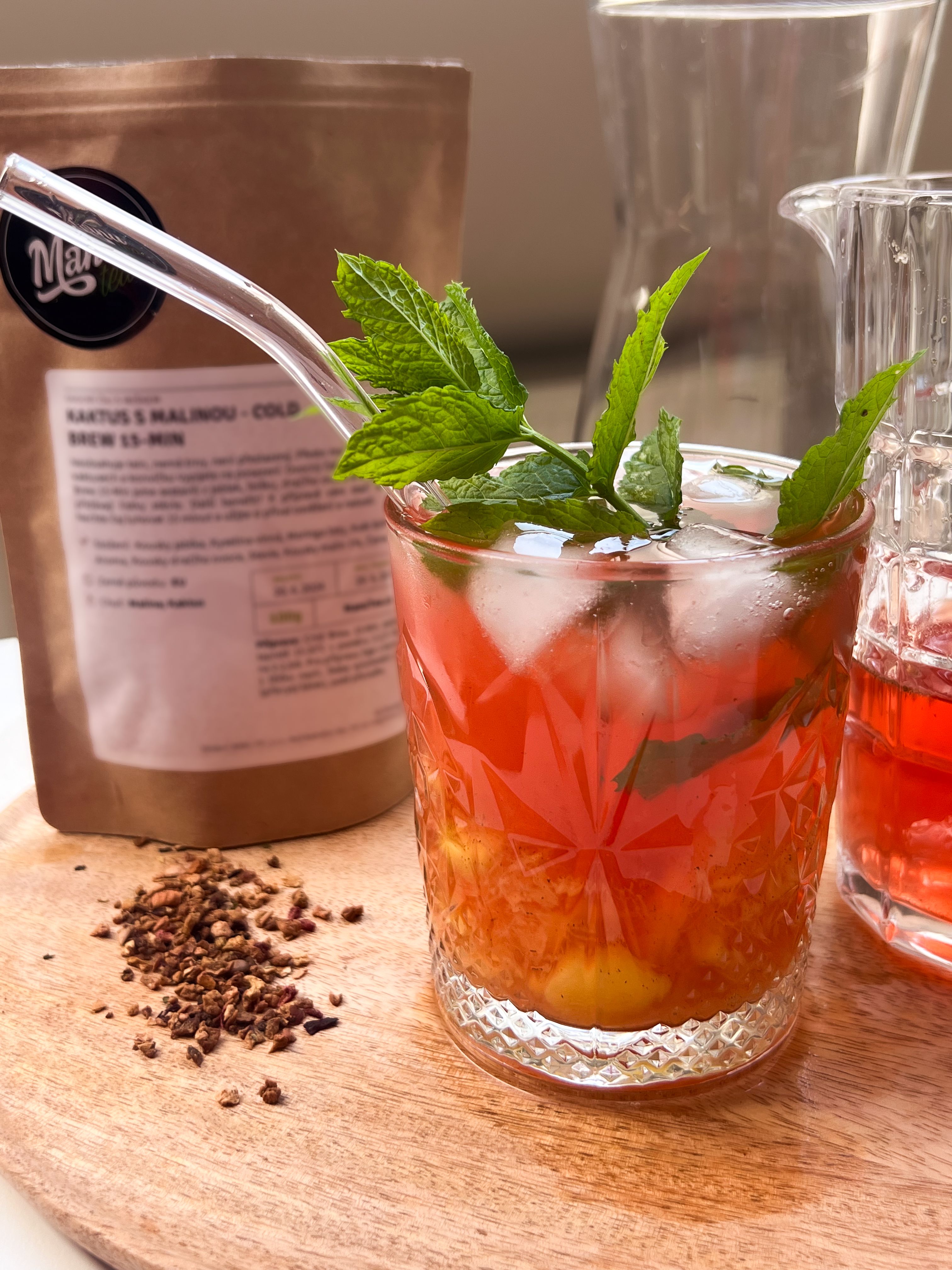
Not everyone has the motivation to go through the effort of preparing tea for the next day in the evening, and we rarely think of having a refreshment 12 hours before we need it. That's when we introduce our Cold Brew 15-Min line, blended for the sole purpose of tasting amazing even after a short steep in cold water.
The ingredients are finely diced and gently freeze-dried, which makes them surrender their aromatics much faster than whole leaves would. The process is almost shockingly easy: add 2-2.5 teaspoons of tea per 200-250 ml of water around 15-20°C (could be straight from the tap). Cover and allow to infuse for 15 minutes, then strain the liquid.
Try the refreshing Raspberry Cold Brew 15-Min with mint and hibiscus, or the elegant and floral Strawberry Lavender Cold Brew 15-Min. Neither of them is astringent and in just 15 minutes, you'll have a perfectly balanced refreshment without a single trace of bitterness.
Careful not to confuse them! Cold Brew 15-Min isn't the same as regular cold brew. Classic cold brew can be made with any loose leaf tea if you leave it for a night. Cold Brew 15-Min is a special blend which has been designed for quick cold brewing.
If you used the latter method on a regular loose-leaf tea and only waited 15 minutes, you'd only get a bland, slightly tinted water.
| Method | Water temperature | Amount | Infusion time |
|---|---|---|---|
| Iced tea | around 100 °C | 1 tsp / 200-250 ml | 8-10 minutes, then cool |
| Classic cold brew | Cold water | 2 tsp / 250 ml | 6-12 hours in a fridge |
| Cold Brew 15-Min | 15–20 °C | 2-2.5 tsp / 200-250 ml | 15 minutes |
Iced tea has more variety than most of us realize
If we summarize what we've learned, we find out that 'cold tea' is not one straight path, but a crossing with three distinct options where each leads to a slightly different taste. Iced tea will refresh you with a full, intense flavor and you can prepare a whole jug to please your company – just watch for the strength and let it cool slowly.
Classic cold brew will reward your patience with the mildest, naturally sweet taste you could get out of tea, but that's in return for a night in the fridge. And Cold Brew 15-Min is the answer when you want both – great taste and a drink in 15 minutes.
You don't need to stay faithful to one option. Have a bit of each on hand and decide depending on your mood and the time you have to spare.
ManuTea sommelier tip: the best cold brew tea can be easily recognized by the fact that you won't need to sweeten it. If you have to reach for sugar, it's likely not because of the tea, but due to the wrong preparation method. Next time, try to make the same blend using a different way and you may be surprised how naturally sweet it actually is.
