Gourmet Fruit – Fruit Tea


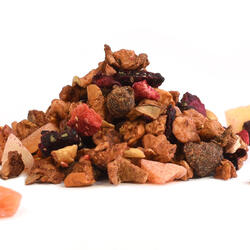
A gourmet is an epicure. A gourmet is selective and well informed. Become one yourself and sample this loose-leaf goodness made from large pieces of ripe fruit. Sweet raspberries, black elderberries and exotic pitaya all in a vanilla coat will enhance you teatime tenfold. Gourmet Fruit spares neither vitamins nor flavor or aroma. Add it to your tea collection!
Shipping methods
| Nizozemská pošta HD - zásilkovna | Delivered by 22. 10. | 1,00 € |
|---|---|---|
 DHL DHL |
Delivered by 22. 10. | 4,90 € |


Ingredients
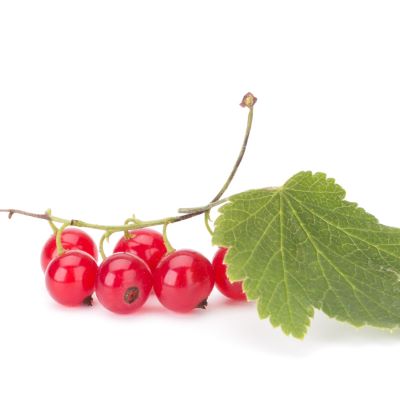
Elderberry, Hibiscus, Currant, Dragon fruit chunks, Raspberry chunks, Vervain, Natural aromaBrew & Taste
The dark red infusion has a full and vibrant taste. Gourmet Fruit is truly mesmerising from the first to the last sip. And in each one, the aroma of fresh raspberries and subtle vanilla surrounds you. Enjoy it as a warm drink or make a delicious iced tea. Either way, you'll be extremely satisfied.
Origins
Raspberries, raspberries. Of course, they're all large, gently preserved and organically grown. Raspberries (and all the other fruits in this tea) underwent the process of freeze-drying. Thanks to this unique vacuum freezing technology, they retain their natural appearance, color and aroma. And, of course, they retained their valuable vitamins, minerals and antioxidants.
Raspberries are the fruit of the raspberry shrub. Botanists call them aggregate fruit, while for the rest of us they are sweet and sour, usually red, very juicy and fragrant snack. We go foraging for them in our gardens or at the edges of woods and meadows.
The long-stemmed deciduous shrubs as tall as 2m grow throughout the temperate zones of the northern hemisphere, from the lowlands to the mountains. Remarkably, this thorny plant caught the attention of naturalists and botanists in the 17th century. Until that time, although it was apparently well known and used by humans, there is no written record of the raspberry bramble.
Folk medicine recommends both eating the fruit and making infusions from the leaves. They contain a large amount of antioxidants and are therefore well suited for a variety of health problems.
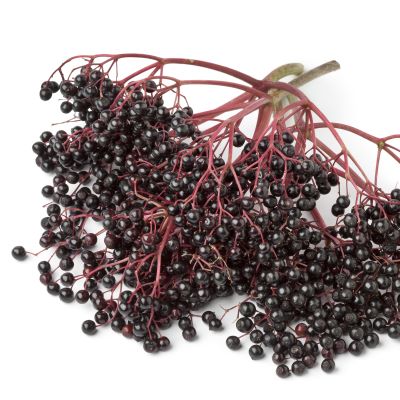
Elderberries, the fruit of a shrub known for its large white flower clusters, are renowned for their anti-inflammatory properties. They contain mainly vitamin C and are used in jams, juices, wine and infusions.
Pitaya (pithaaya) is more familiar to most of us from store shelves rather than from the wild. This cactus fruit is often called dragonfruit because of its appearance. The first mention of them dates back to the 16th century. They grow in Mexico, Guatemala, Honduras, Brazil and Argentina. Their taxonomy is somewhat unclear: some species have fruits that are completely inedible, while others have fruit that is very tasty. The fleshy, oval-shaped berries are covered with red to reddish-purple skin (sometimes also yellow). The flesh is white and full of black seeds. Native peoples used them as a source of calcium, iron, carotene and riboflavin.
Benefits of ingredients:


Tea packaging preview
We pack our teas in a strong, zip-lock aluminum packet which allows you to easily re-seal its contents. This container protects the quality of the tea against humidity, light or foreign odors, all of which could noticeably affect the quality of the brew.
Preparation
 100 °C
|
 8-10 minutes
|
 1 teaspoon for 150-200 ml
|
Instructions for preparation
Pour 150-200ml of boiled water (100°C) per 1 teaspoon of tea.
When brewing in a teapot add 1 extra teaspoon.
Covered, let steep for 8-10 minutes, then remove the strainer.


| Energy value: | 13 kJ / 3 kcal |
| Fats: | 0.1 g |
| of which saturated: | 0.1 g |
| Carbohydrates: | 0.7 g |
| of which sugars: | 0.3 g |
| Proteins: | 0.1 g |
| Salt: | 0.01 g |
Are you looking for inspiration? Other customers have bought this:
Goji-Raspberry – Fruit Infusion