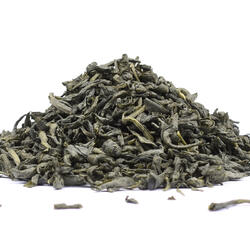
China Bancha – Green Tea


Bancha is originally a Japanese specialty, but why not give its Chinese cousin a chance. You can order both and spend long, relaxing evenings sampling, observing, taking in the aromas... This Bancha may have grown in different conditions and harvested by different farmers than the original, but that doesn't take away from its quality. It's full-bodied, layered, aromatic and refreshing.
Shipping methods
| Nizozemská pošta HD - zásilkovna | Delivered by 23. 10. | 1,00 € |
|---|---|---|
 DHL DHL |
Delivered by 23. 10. | 4,90 € |


Ingredients
100 % Green tea Bancha ChinaBrew & Taste
Bancha China green tea has typical long, robust leaves that turn the drink a light greenish-yellow shade after brewing. When the bag is opened, we can smell a light grassy aroma with a faint sweetish trace. The drink is pleasantly natural, the taste reflecting the sweetness and medium astringency. It is similar to sencha, but only a seasoned expert can really tell the differences between the slightly higher quality sencha and bancha.
Origins

Only a true connoisseur can tell the difference between Chinese bancha and Japanese bancha, and few can tell the difference between bancha and sencha, which is a notch higher on the quality scale. The only difference between the two teas is that the lower tea leaves, which are not exposed to the sun as much, are used to make bancha. They are larger and are harvested later, around the 3rd or 4th harvest. They then have the same amount of aromatics and antioxidants as the earlier harvested sencha, but a little less caffeine, which may be an advantage for some.
In China, bancha is mainly harvested and produced in the Wenshan region located in the southeast of Yunnan province. It is a prefecture used to frequent monsoons. Nearly 95% of it is occupied by the Tibetan plateau. Most of the region has a favouable climate without winter frosts or summer heat. This is exactly the kind of weather that suits the tea plants, which are planted in high altitudes and need humidity to survive. On the other hand, they cannot tolerate waterlogging, so weather with regular rains and relatively stable temperatures suits them very well.
Harvesting is done by hand, the leaves are chipped or plucked, placed in large, usually bamboo baskets, and transported for processing. After they wilt, they are steamed briefly and repeatedly to stop the oxidation process, then rolled, dried and sorted.
Benefits of ingredients:
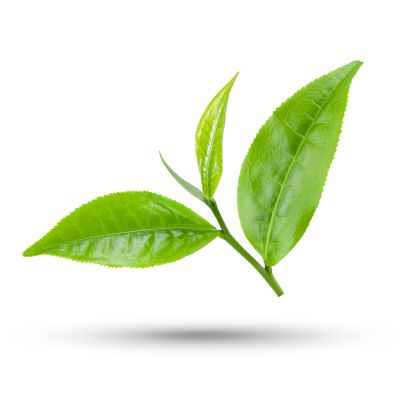

Tea packaging preview
We pack our teas in a strong, zip-lock aluminum packet which allows you to easily re-seal its contents. This container protects the quality of the tea against humidity, light or foreign odors, all of which could noticeably affect the quality of the brew.
Preparation
 70-80 °C
|
 2-3 minutes
|
 1 teaspoon for 150-200 ml
|
Instructions for preparation
Pour 150-200ml of boiled water (70-80°C) per 1 teaspoon of tea.
When brewing in a teapot add 1 extra teaspoon.
Covered, let steep for 2-3 minutes, then remove the strainer.
Bancha can be brewed up to 2 times.


Are you looking for inspiration? Other customers have bought this:
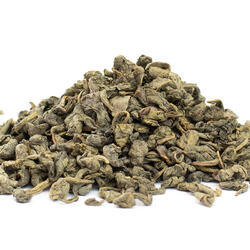
China Gunpowder – Green Tea
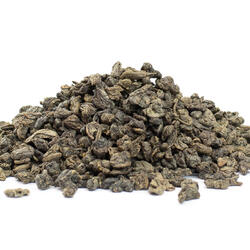
China Gunpowder Super – Green Tea