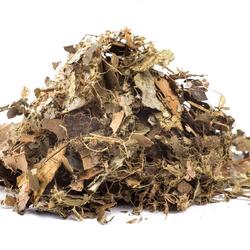
Blackberry Leaves (Rubi Fruticosi Folium) – Herb


Blackberry leaves are included in many tea blends because they support normal respiratory function and normal blood sugar levels. Now, you can add them to your own favorite tea! But be afraid to try a pure blackberry leaf tea, since they taste mild and pleasantly tart. What's more, they're full of tannins, vitamins, and minerals.
Shipping methods
| Nizozemská pošta HD - zásilkovna | Delivered by 5. 10. | 1,00 € |
|---|---|---|
 DHL DHL |
Delivered by 5. 10. | 4,90 € |


Ingredients
100 % Blackberry leavesBrew & Taste
Blackberry leaves have a yellow, brightly colored infusion with an herbal, delicate flavor and a slightly astringent note at the end.
You can combine dried blackberry leaves with your favorite herbs to create a unique tea blend or brew them on their own.
Origins
Did you know that blackberry shrubs can also produce raspberries? The genus Rubus includes a huge number of species and is one of the truly complex ones when it comes to classification. For us, it's enough to know that among the representatives of the Rubus family are blackberries and our beloved raspberries.
The plant that produces blackberries is a creeping shrub called Rubus plicatus. The fruit can be eaten raw, but it's also often added to desserts, juices, syrups, or jams.
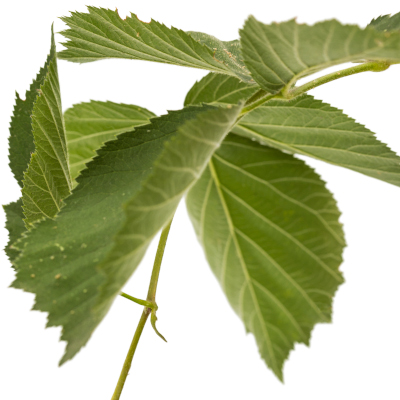
However, right now we're more interested in the leaves. Blackberry shrubs long branches that bend towards the ground and can take root when they come into contact with the soil. They are usually covered with thorns. The leaves are three to five-pointed, the flowers are white, and the fruit is dark red, purple or yellow. These shrubs grow almost all over the world. Some seek shade, others love the sun.
You can find them around woods, along roadsides or on grassy hillsides. Blackberry leaves are rich in tannins and fiber and contain vitamins A, B, C and iron as well as potassium. The beverage you make from them will support normal respiratory function and regular blood sugar levels.
Benefits of ingredients:

Tea packaging preview
We pack our teas in a strong, zip-lock aluminum packet which allows you to easily re-seal its contents. This container protects the quality of the tea against humidity, light or foreign odors, all of which could noticeably affect the quality of the brew.
Preparation
 100 °C
|
 15 minutes
|
 1 teaspoon for 150-200 ml
|
Instructions for preparation
Pour 150-200ml of boiled water (100°C) per 1-2 teaspoona of tea.
When brewing in a teapot add 1 extra teaspoon.
Covered, let steep for 15 minutes, then remove the strainer.


Are you looking for inspiration? Other customers have bought this:
Goji-Raspberry – Fruit Infusion
Rooibos