Beetroot Blend – Fruit Infusion


If you still haven't come across a tea that appeals to picky children, tired dads and caring mums, you just found it. Soak up its vanilla-strawberry aroma and take a good look. Big chunks of fruit, beets and vanilla husks leave no doubt. A fruity tea that everyone will love, even without us lecturing you about vitamins, even without sweetening. You can have a piece of this tea raw, too!
Shipping methods
| Nizozemská pošta HD - zásilkovna | Delivered by 8. 10. | 1,00 € |
|---|---|---|
 DHL DHL |
Delivered by 8. 10. | 4,90 € |


Ingredients
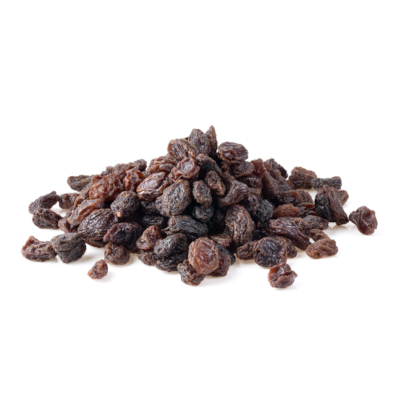
Apple chunks, Raisins, 14 % Beetroot, Carrot chunks, Strawberry chunks, Sunflower, Vanilla pieces, AromaBrew & Taste
The harmonious interplay of sweet carrots, raisins and strawberries is wonderfully complemented by beetroot bits. Apple brings a fresh element and pieces of vanilla add a very appealing undertone. This tea is simply wonderful as is and there's really no need to sweeten it at all. It's an appetizing red color.
It tastes very good warm, but if you prefer cold drinks, fill a glass with ice, pour lukewarm tea over it and garnish the result with fresh strawberries and mint. The result will be staggeringly delicious and refreshing.
Origins
You could easily grow the ingredients for Beetroot Blend yourself. Except for vanilla, for which you'd have to go to Madagascar or Indonesia. We took a slightly different approach to blending this tea: we bought the ingredients from a verified European supplier who sourced, processed, freeze-dried, weighed and packaged them all nicely. They even had each batch tested for heavy metals and other harmful substances. Everything turned out fine, so we grabbed the produce and combined, tried and revised until we came up with this magical fruit blend.
Because the fruits and vegetables are freeze-dried, they retain up to 90% of all their vitamins and antioxidants. Plus, they look, smell and taste like fresh.
Apples, carrots and beetroot need no introduction. Everyone knows strawberries, too. Perhaps we could stop at vanilla, which is more than interesting to grow.
Vanilla is one of the most famous spices, originally from Mexico. It is little known that the vanilla bean grows on an orchid of the vanilla genus. The ancient Toltecs used vanilla to flavor food, but also as a medicine. It was introduced to Europe in the 16th century and immediately became popular.
Vine plants, which can reach several dozen meters in nature, bear fruit in their third year. In their natural environment, pollination by bees of the genus Melipona and some species of hummingbirds is essential for the formation of the fruit. This is why vanilla was extremely rare and expensive until 1841, when Mexico was its only producer. In 1841, scientists discovered a way to artificially pollinate vanilla flowers. Plants were planted in Madagascar, Réunion, Tahiti, Ceylon, the Seychelles and Indonesia. After harvesting, the yellow capsules are either scalded with boiling water, exposed to the sun, steamed under tarpaulins, dried in partial shade and finally allowed to ripen for 8 months, or they are alternately dried in the sun and steamed in partial shade, which is followed by ripening.
Benefits of ingredients:




Tea packaging preview
We pack our teas in a strong, zip-lock aluminum packet which allows you to easily re-seal its contents. This container protects the quality of the tea against humidity, light or foreign odors, all of which could noticeably affect the quality of the brew.
Preparation
 100 °C
|
 8-10 minutes
|
 1 teaspoon for 150-200 ml
|
Instructions for preparation
Pour 150-200ml of boiled water (100°C) per 1 teaspoon of tea.
When brewing in a teapot add 1 extra teaspoon.
Covered, let steep for 8-10 minutes, then remove the strainer.


Most popular accessories for this product
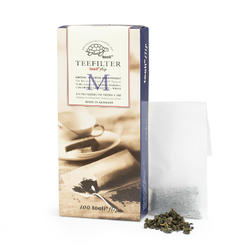
Paper Filter M for Cups & Teapots
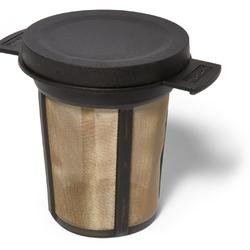
Tea Infuser – Medium
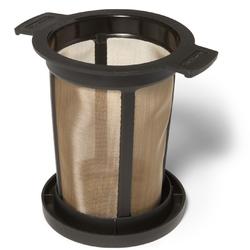
Tea Infuser – Large
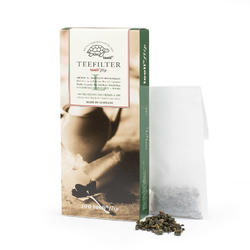
Paper Filter – Large, 100pcs
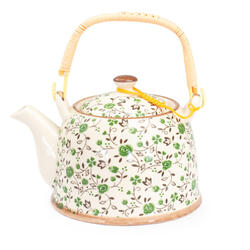
Floral Teapot with Strainer II – 900ml
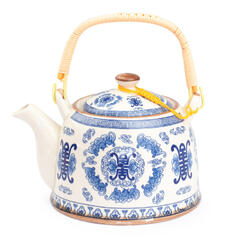
Oriental Teapot with Strainer II – 900ml
Are you looking for inspiration? Other customers have bought this:
Vanilla Plum – Fruit Infusion
Child's Dream – Fruit Infusion