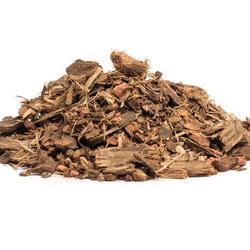
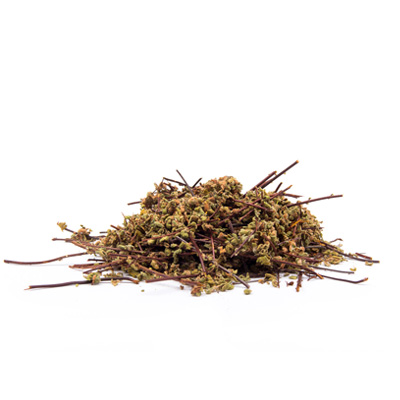
Asplenium Lunulatum – Herb


Indigenous tribes. Jungles. The plants covering the Andean ravines and growing in the deepest forests. Among these is Asplenium lunulatum, a wild fern with rapidly growing popularity. It has benefited women and men for thousands of years, making them strong and helping them overcome life's troubles.
Shipping methods
| Nizozemská pošta HD - zásilkovna | Delivered by 15. 10. | 1,00 € |
|---|---|---|
 DHL DHL |
Delivered by 15. 10. | 4,90 € |


Ingredients
100 % Cuti CutiBrew & Taste
Asplenium herbs are bland in taste and aroma, which is an advantage if you are used to flavoring your drinks or creating original blends from herbs. Try both.
Origins
It grows in the lowest level of the rainforest, in a damp and shady place. Not surprisingly, it is a small, inconspicuous, and fragile plant, just like most ferns. The one we call Asplenium lunulatum, comes from the South American tropical forests. It has also been given many other names, such as cuti-cuti, kumu-kumu, raqui-raqui, or sano-sano. It's of the 700 fern species spread worldwide.
But Asplenium lunulatum is completely different from all the others. It has an upright rootstalk, leaves 3-8cm long, green on top, and brown at the bottom. The whole plant looks like a small shrub. Although it is native to the southeastern slopes of the Andes, it has also spread to many African countries. However, its use for health ailments is attributed to the indigenous tribes of Ecuador, Venezuela, Bolivia, and Colombia. There, it commonly grows at altitudes of 250-1,900m.
It is also worth noting that the entire family of aspleniaceae has received a great deal of attention from herbalists, ancient physicians, and modern phytopharmacologists. These ferns were already described by the ancient physician Pedanius Dioscorides and are also subjected to scientific research today.
Specialists are particularly interested in the contents that have brought Asplenium lunulatum into the public eye. So far, they have discovered amino acids, flavonoids, tannins, stilbenoids, mucilages, and p-coumaric acid.
The herb is harvested by hand-cutting the aerial part. The leaves and stems must be gently dried, chopped into small pieces, and sorted. For phytotherapy, the herbs are grown in plantations where they are carefully supervized.
The dried herb can be prepared as a decoction (see the Preparation section) or by maceration. In this case, pour 500ml of cold water over 2 tablespoons of asplenium. Bring to a boil and simmer for approximately 5 minutes. Rest for a few hours (ideally overnight) before being straining and drinking.
Benefits of ingredients:

Herb packaging preview
We pack our herbs in a strong, zip-lock aluminum packet which allows you to easily re-seal its contents. Thanks to the hermetic seal, the herbs are protected against humidity, light and foreign odors, all of which could noticeably affect the quality of the brew and the herb itself.
Preparation
 80 °C
80 °C
|
 10-15 minutes
|
 1 teaspoon for 500 ml
|
Instructions for preparation
Pour 500ml of boiled water (80°C) per 1 teaspoon of herbs.
Steep for 10-15 minutes, then remove the strainer.
Optionally, add honey.
Serve warm 3 times a day.


Are you looking for inspiration? Other customers have bought this:
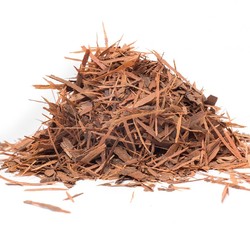
Lapacho – Herb
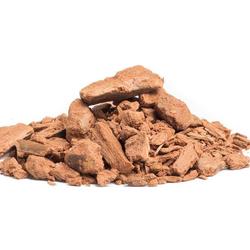
Chuchuhuasi (Maytenus Laevis) – Herb