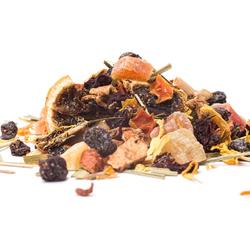
Yuzu Fruit Blend – Fruit Infusion


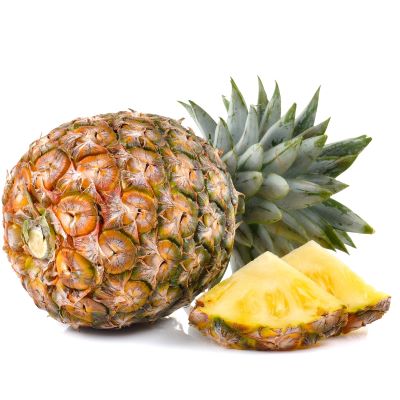
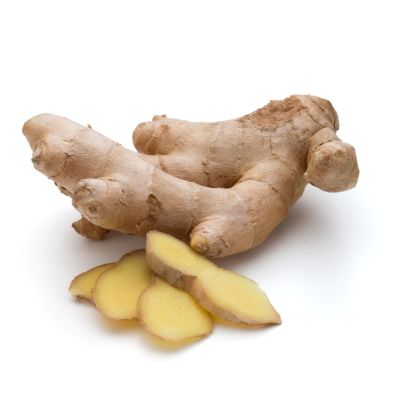
Those unfamiliar with yuzu should quickly fix that. The fruit, created by crossing a lemon with a tangerine, is particularly popular in Japanese cuisine. Yuzu tastes a bit like grapefruit, and when you add apples, pineapple, oranges and ginger, you get a tea as suitable for hot summers as for cold winters. Incredibly delicious and so very good for you.
Shipping methods
| Nizozemská pošta HD - zásilkovna | Delivered by 22. 10. | 1,00 € |
|---|---|---|
 DHL DHL |
Delivered by 22. 10. | 4,90 € |


Ingredients
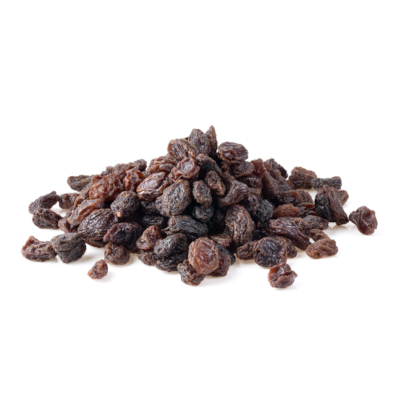
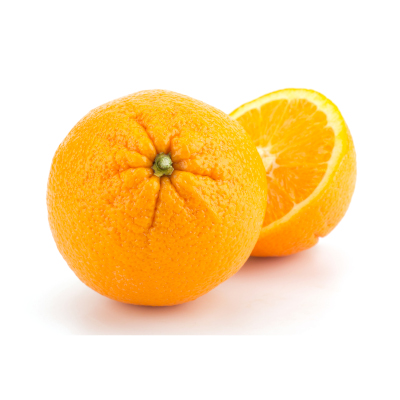
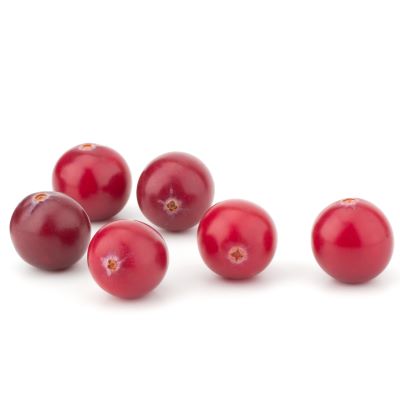
Apple chunks, Raisins, Carrot chunks, Candied pineapple (pineapple, sugar), Ginger chunks, Beetroot, Natural aroma, Turmeric, Orange chunks, Cranberries, Spinach flakes, 1 % Yuzu, SunflowerBrew & Taste
Yuzu Fruit Blend tastes refreshingly sour, while being pleasantly sweet. Thanks to the spices, it also offers an attractive tangy aftertaste. The tea is light red.
Origins
A little more detailed information about the yuzu fruit will certainly come in handy. Especially as this citrus fruit is not well known in Europe. Unlike in China, Japan and Korea, where it is often used in gastronomy. Yuzu (Citrus junos) is a small shrub or tree covered with large thorns. Botanists classify it in the family Rutaceae. This includes, for example, citrus, kumquat, rue and burning bush. The fruit of the yuzu is a fruit similar in appearance to a small grapefruit, with a wrinkled surface of yellow or green color and a rather dry flesh full of pits. The fruit itself is very sour and is not often used for direct consumption (also because of the stones). However, it is popular in Japanese, Chinese or Korean cuisine.
The yuzu tree is slow growing. It takes a full 10 years from planting to the first harvest. On the other hand, it thrives quite well in cold regions where more sensitive citrus trees would not be able to grow.
Yuzu is characterized by its strong aroma and sour taste. In Japan, this fruit is part of a ritual associated with the winter solstice, when several fruits are placed in a hot bath to release a beautiful scent. The bath is said to protect against colds, warm the body and relax the mind. The peel can be used to make oil, and the fruit is processed into sauces, vinegars, syrups and marmalades. Yuzu teas are very popular.
Yuzu did not come to wider public attention until the early 21st century, when American chefs took an interest in it and began promoting it in their recipes. Similarly, it is gradually appearing in cosmetics and medicine. Yuzu contains significant amounts of vitamin C, is rich in antioxidants and the flavone compounds hesperidin and naringenin with many health benefits.




Tea packaging preview
We pack our teas in a strong, zip-lock aluminum packet which allows you to easily re-seal its contents. This container protects the quality of the tea against humidity, light or foreign odors, all of which could noticeably affect the quality of the brew.
Preparation
 100 °C
|
 8-10 minutes
|
 1 teaspoon for 150-200 ml
|
Instructions for preparation
Pour 150-200ml of boiled water (100°C) per 1 teaspoon of tea.
When brewing in a teapot add 1 extra teaspoon.
Covered, let steep for 8-10 minutes, then remove the strainer.


Are you looking for inspiration? Other customers have bought this:
Creamy Strawberries – Fruit Infusion
Child's Dream – Fruit Infusion