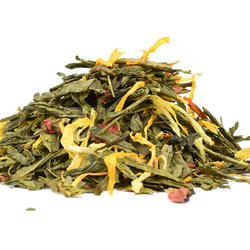
Warm Gingerbread – Green Tea


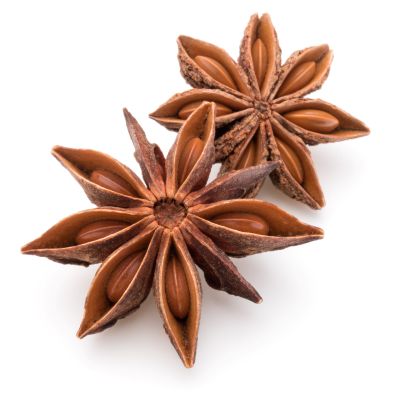
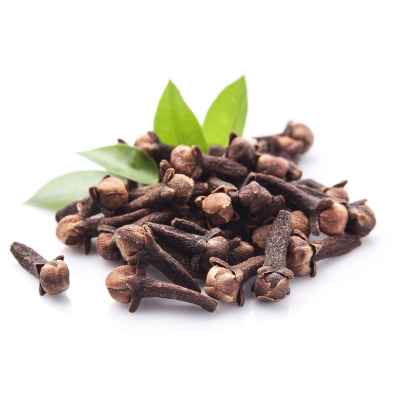
Let's not kid ourselves, this is the tea you'll enjoy most in autumn and winter. That's when it fills you with pleasant warmth and gives you the energy that the shorter days just lack. It tastes a bit like Christmas gingerbread, but it definitely won't make you gain a gram. Maybe the opposite. The sencha, ginger, cinnamon, aniseed and cloves will make you feel lighter and certainly happier.
Shipping methods
| Nizozemská pošta HD - zásilkovna | Delivered by 22. 10. | 1,00 € |
|---|---|---|
 DHL DHL |
Delivered by 22. 10. | 4,90 € |


Ingredients
Green tea Sencha, Chia seeds, Ginger, Cinnamon, Anise, Natural aroma, Cloves, Star aniseBrew & Taste
Warm Gingerbread green tea tastes exactly as its ingredients describe. You'll recognize cinnamon, cloves, aniseed and ginger, with a subtle freshness from the sencha. The infusion is pale yellow in color and smells like gingerbread.
Origins
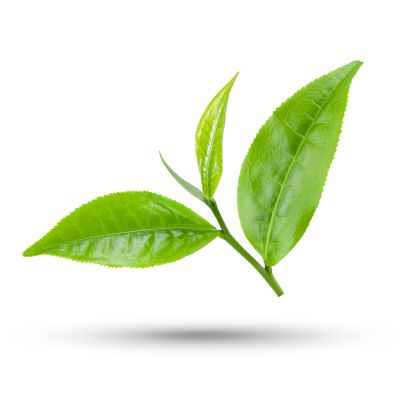
When you open the tea bag, the pleasant aroma of spices catches your attention and you notice the long green sencha needles. It's what gives it its caffeine and therefore its ability to refresh and ward off your fatigue. Sencha is the quintessential Japanese tea, yet even Chinese producers can make it. And it's the best!
In China, tea is usually processed by roasting it in a pan. By bringing the tea leaves into contact with the hot bottom of a large metal pan, the fermentation is stopped and the unique flavor and aroma of that particular variety is preserved. This also gives the tea a slightly smoky flavor, which adds its typical depth. In the case of sencha, however, the process is different – fermentation is stopped by steaming the tea several times. The result tastes very fresh and pure. After steaming, the leaves are folded, dried and sorted. The result is glossy flat needles with grassy fragrance that unfurl back into whole leaves in the hot water.
But let's briefly consider the other ingredients of Warm Gingerbread. Worthy of note is chia, the seeds of sage (Salvia hispanica), a favorite of health food fans. Chia contains omega-3 unsaturated fatty acids that maintain normal nervous system function, contribute to natural immunity and contribute to proper bone structure, among other things. Chia seeds were consumed by the ancient Aztecs, and some scientists believe that they were a staple food, as widely cultivated as corn.
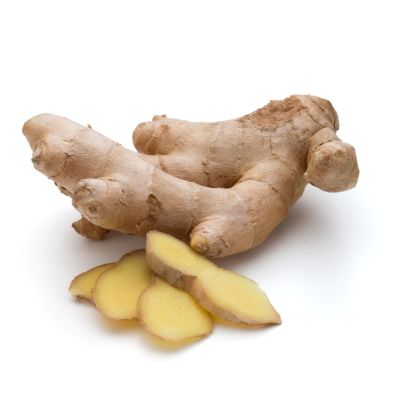
No less interesting is ginger, the rootstalk of the ginger plant (Zingiber officinale) with a distinctive spicy taste. Like chia seeds, it has been part of human gastronomy since the ancient times. It is used not only for its specific aroma, which elevates many a dish, but also for its substances that benefit the optimal function of the digestive system and positively affect the body's ability to cope with inflammation and viruses.
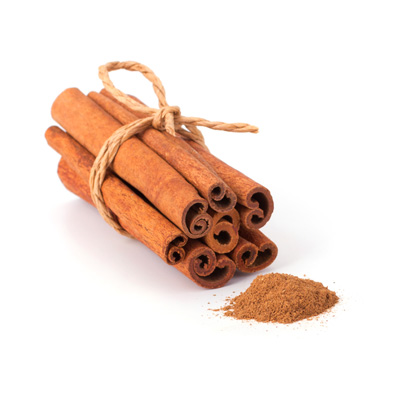
Let's also mention cinnamon, a similarly aromatic ingredient. It is the bark of the cinnamon tree (Cinnamomum) used in the food, cosmetic and pharmaceutical industries. Cinnamon is especially sought-after for its high content of cinnamaldehyde, but also ethyl cinnamate, eugenol, coumarin and other substances. These make it smell good and have a beneficial effect on metabolism and immunity.
Benefits of ingredients:

Tea packaging preview
We pack our teas in a strong, zip-lock aluminum packet which allows you to easily re-seal its contents. This container protects the quality of the tea against humidity, light or foreign odors, all of which could noticeably affect the quality of the brew.
Preparation
 70-80 °C
|
 2-3 minutes
|
 1 teaspoon for 150-200 ml
|
Instructions for preparation
Pour 150-200ml of boiled water (70-80°C) per 1 teaspoon of tea.
When brewing in a teapot add 1 extra teaspoon.
Covered, let steep for 2-3 minutes, then remove the strainer.


Are you looking for inspiration? Other customers have bought this:
Jasmine – Green Tea