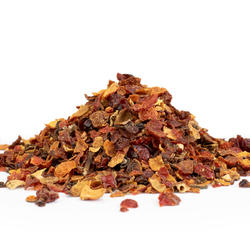
Strawberry Leaves (Fragaria Vesca) – Herb


Strawberry leaf tea tastes very modest, but its ability to support your digestive system is extraordinary. An herbalist worth their while will always keep strawberry leaves on hand. Try their abilities yourself, just mix them into your favorite tea blend or brew them as they are.
Shipping methods
| Nizozemská pošta HD - zásilkovna | Delivered by 22. 10. | 1,00 € |
|---|---|---|
 DHL DHL |
Delivered by 22. 10. | 4,90 € |


Ingredients
100 % Strawberry leavesBrew & Taste
Strawberry leaf tea has a bright, yellow color. The aroma is very unobtrusive, as is the taste. You can feel a subtle, herbal trace.
Dried strawberry leaves are good for making pure strawberry tea, but feel free to add them to your favorite herbs. This way, you can create a tailor-made blend.
Origins
Strawberry (Fragaria vesca) is an herb familiar from the edges of forests and meadows. Its red fruit is a crucial part of every summer. They're fragrant and attract not only us but also wildlife. It is widespread in Europe, Asia and America, and because strawberry is one of the most popular fruits in the world, it has been bred into several species.
Humans have indulged in strawberries since the Stone Age. In ancient times, monks often cultivated strawberry plants in their gardens. Much of the credit for the strawberry plant as we know it today is due to a man named Antonio Duchesne, a French botanist who worked in the gardens of Versailles at the turn of the 18th and 19th centuries. He bred a hardy strawberry plant which produced large, sweet strawberries with a delightful aroma.
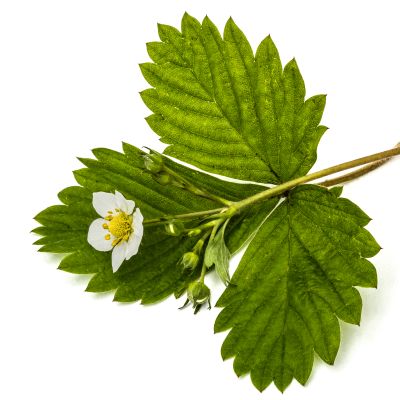
But back to the strawberry plant. It's a perennial, it grows to a maximum of 20cm, blooms with white flowers, and its fruit is an achene. It has 3-5-lobed leaves with serrated edges. Because they are rich in vitamin C, potassium, tannins and flavonoids, they're dried and used in many tea blends.
When you make a drink from strawberry leaves, you get an effective way of promoting normal digestion, especially if you suffer with diarrhea.
Benefits of ingredients:

Herb packaging preview
We pack our herbs in a strong, zip-lock aluminum packet which allows you to easily re-seal its contents. Thanks to the hermetic seal, the herbs are protected against humidity, light and foreign odors, all of which could noticeably affect the quality of the brew and the herb itself.
Preparation
 100 °C
|
 15 minutes
|
 1 teaspoon for 150-200 ml
|
Instructions for preparation
Pour 150-200ml of boiling water (100°C) per 1 teaspoon of tea.
When brewing in a teapot add 1 extra teaspoon.
Covered, let steep for15 minutes, then remove the strainer.


Are you looking for inspiration? Other customers have bought this:
Goji-Raspberry – Fruit Infusion
Linden Blooms & Leaves – Herb