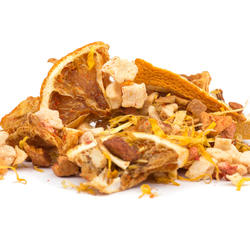
Piña Colada – Fruit Infusion


Ah, so much coconut! If you love the smell of coconut as much as we do, then don't hesitate. You can enjoy its scent to your heart's content if you grab this tea. Plus, imagine that it tastes not only coconutty, but especially like pineapples. Fresh, juicy, sweet and sour. You'll also find apple bits among the ingredients. And that's the secret to this deliciousness. Recommended in winter, summer, ordinary days and holidays.
Shipping methods
| Nizozemská pošta HD - zásilkovna | Delivered by 22. 10. | 1,00 € |
|---|---|---|
 DHL DHL |
Delivered by 22. 10. | 4,90 € |


Ingredients
Apple chunks, Coconut chips (coconut, sugar), 10 % Pineapple chunks, Natural aromaBrew & Taste
Piña Colada fruit tea gives the infusion a yellow-orange color. You might not expect its freshness from the smell, but the first sip will convince you otherwise. After a sniff, you find yourself in a coconut paradise; after a taste, the tea will take you to the beach, to a drink of freshly squeezed pineapple juice. This tea is amazingly fresh and yet wonderful not only iced, but also hot.
Origins
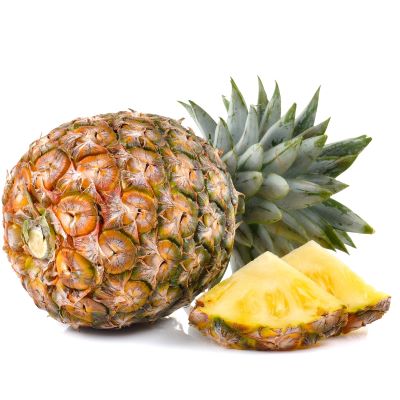
Let's start with pineapple. Did you know that once its fruit (with a very interesting development, by the way) ripens, the whole plant usually dies? That the global production of pineapples is around 15 million tonnes a year? And that the fruit contains bromelin, which aids digestion? The pineapple is, in short, a fruit of many surprises.
The pineapple plant (Ananas comosus) is classified by botanists in the bromeliaceae family. Its natural habitat is South America, but today it is cultivated everywhere in tropical and subtropical regions, both in the open air and in greenhouses. The largest volume of pineapples harvested worldwide comes from Thailand, the Philippines, China, Indonesia, but also from Hawaii, Costa Rica and Mexico.
The plant itself is usually no taller than 120cm, characterized by a ground rosette of long, stiff leaves. In the center of the plant is a stem topped with specific flowers hidden in stiff bracts. They are not usually pollinated, but after flowering they form a fruit known as a pineapple. It weighs up to 3kg, takes around 3 months to ripen and most varieties do not contain seeds.
Pineapples contain vitamin C, B vitamins, minerals, important amino acids and bromelin, a proteolytic enzyme involved in protein breakdown. They are used in the food industry (for direct consumption, making drinks, confitures, etc.) as well as in pharmacology and medicine.
The other important ingredient in this tea is coconut, the fruit of the coconut tree (Cocos nucifera). According to experts, it probably originated in Southeast Asia, and over time spread to most countries in the tropics. The largest producers are Indonesia, the Philippines, India, Brazil and Sri Lanka. The annual world production of coconut is around 60 million tons.
The coconut tree is a 30m tall palm with elongated leaves growing from its top. Each year it can bear up to 120 fruits that are 30cm in diameter. What we call a coconut is actually a seed from which the fibrous covering has been removed. Underneath the hard pericarp is the pulp and the loose emulsion, the coconut milk. Remarkably, the coconut retains its germination for several months to years, so it can spread between countries, for example via the sea.
As for the valuable substances that the coconut contains, calcium, protein, potassium, vitamin C and vitamin B are definitely worth mentioning.
Benefits of ingredients:


Tea packaging preview
We pack our teas in a strong, zip-lock aluminum packet which allows you to easily re-seal its contents. This container protects the quality of the tea against humidity, light or foreign odors, all of which could noticeably affect the quality of the brew.
Preparation
 100 °C
|
 8-10 minutes
|
 1 teaspoon for 150-200 ml
|
Instructions for preparation
Pour 150-200ml of boiled water (100°C) per 1 teaspoon of tea.
When brewing in a teapot add 1 extra teaspoon.
Covered, let steep for 8-10 minutes, then remove the strainer.


| Energy value: | 16 kJ / 4 kcal |
| Fats: | <0,5 g |
| of which saturated: | <0,1 g |
| Carbohydrates: | 0,9 g |
| of which sugars: | 0,9 g |
| Proteins: | <0,5 g |
| Salt: | <0,01 g |
Are you looking for inspiration? Other customers have bought this:
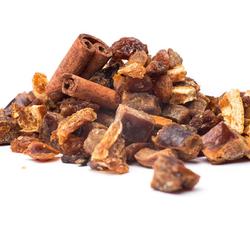
Vanilla Plum – Fruit Infusion
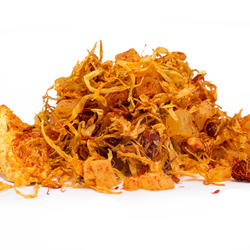
Bright Mango – Fruit Infusion