


Kenya Oolong Embu County


Kenyan tea stands out, with their Oolong being particularly distinctive. The taste profile of Kenya Oolong Embu County is reminiscent of a full and rich liqueur elevated by notes of malt and nuts. This tea ranks among the finest Kenyan Oolongs available. Its captivating honeyed aroma immediately draws you in, and after just one sip, you will find yourself craving more. This unique blend of bold and nuanced flavors offers an exceptional drinking experience that will enchant all tea enthusiasts.
Shipping methods
| Nizozemská pošta HD - zásilkovna | 1,00 € | |
|---|---|---|
 DHL DHL |
4,90 € |


Ingredients
100 % Oolong Kenya Embu CountyBrew & Taste
Kenya Oolong Embu County gives the infusion a light amber color. Its aroma is reminiscent of honey, and you can detect malt and nuts in the taste. Oolongs are semi-fermented teas, containing less caffeine than black teas, so they are suitable for all-day drinking. This particular oolong can be steeped up to 5 times in a row. Each time, you will get a drink with a slightly different flavor and aroma.
Origins
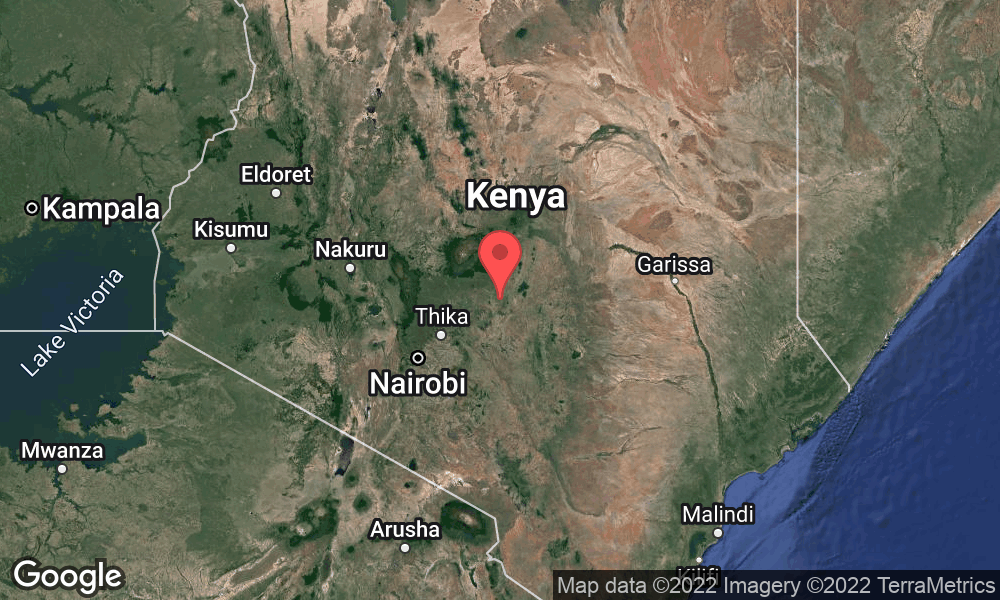
Regarding tea, Kenya is one of the world's principal growers. The first tea plants appeared in Kenya in the early 20th century, and two decades later, the country was trading tea on world markets. Today, tea is Kenya's main export crop from which it derives most of its foreign exchange earnings. Most processors focus on black, green, yellow, and white teas, usually broken. However, some Kenyan growers supply exceptionally high-quality whole-leaf tea, unlike other African farmers. Kenya Oolong Embu County is a case in point.
It gets its specific properties primarily from the place where it is grown. Kenya's deep red soil is rich in minerals, and the high altitude allows the tea plant plenty of time to grow slowly and produce a significant amount of antioxidants in the leaves. Tea trees also benefit from long days of sunshine.
For the Embu region, the growth of tea trees (like coffee trees, macadamias, and maize) is essential. Tea plantations are mainly located high on the slopes of Mount Kenya, at an altitude of around 1,500-1,800m. They are surrounded by rainforests, which provides shade, moisture and nutrients. Therefore, there is no need to use pesticides.
The Kenya Tea Development Agency (KTDA), comprising 66 processing plantations and over half a million farmers, oversees the growing, harvesting, and marketing of tea. They cultivate around 100,000 hectares of land. KTDA members produce more than 60% of Kenya's tea yearly, with the rest going to large companies.
Kenya Oolong Embu County is a handcrafted tea, meaning that workers plucked it gradually, in cycles, taking care to select only young leaves and buds. The traditional process involves steeping in the sun when the tea is partially stripped of moisture. The level of moisture in the leaves is essential for the time taken for the tea's polyphenols to oxidize. The next step is to shake the tea in baskets and lightly squeeze it with the palms of the hands. Then the tea needs to be broken down and warmed. It will stop the oxidation processes. This step is followed by rolling into the desired shape and slowly heating at a low temperature. Finally, the workers remove the substandard leaves and the rest is carefully wrapped.
Benefits of ingredients:


Tea packaging preview
We pack our teas in a strong, zip-lock aluminum packet which allows you to easily re-seal its contents. This container protects the quality of the tea against humidity, light or foreign odors, all of which could noticeably affect the quality of the brew.
Preparation
 80-90 °C
|
 5 minutes
|
 1 teaspoon for 150-200 ml
|
Instructions for preparation
Pour 150-200ml of boiled water (80-90°C) per 1 teaspoon of tea.
When brewing in a teapot add 1 extra teaspoon.
Covered, let steep for 5 minutes, then remove the strainer.


